Your insurance policy is a binding contract, but it's one where the other party writes the rules and controls the checkbook. Most property owners assume their insurer will automatically provide a fair valuation after a fire or flood. It's frustrating to realize that an initial settlement offer often fails to cover the true scope of structural repairs or hidden damage. Knowing exactly when to hire a public adjuster is the difference between accepting a lowball payment and securing the funds needed to rebuild.
This guide identifies the critical red flags and complex claim scenarios that require professional intervention to protect financial interests. It provides a specific checklist of triggers, from policy jargon traps to the overwhelming burden of documenting thousands of items. Professional representation is a strategic necessity for complex claims, not just a convenience for busy owners. Expert validation ensures that hidden damages are accounted for before the file is closed and the claim is finalized.
Key Takeaways
- Identify the warning signs of a failing claim, such as an insurance adjuster overlooking hidden structural damage or a carrier delaying communication for weeks.
- Learn exactly when to hire a public adjuster for complex scenarios like soot contamination in wall cavities or extensive water mitigation.
- Understand the critical distinction between insurance company adjusters who protect the carrier and public adjusters who advocate exclusively for the policyholder.
- Determine the most strategic time to engage an expert, whether it's immediately following the loss or after receiving an underpaid settlement offer.
- Explore how professional representation on a contingency basis removes the financial burden of managing a high-stakes property claim.
Signs Your Insurance Claim is Facing Obstacles
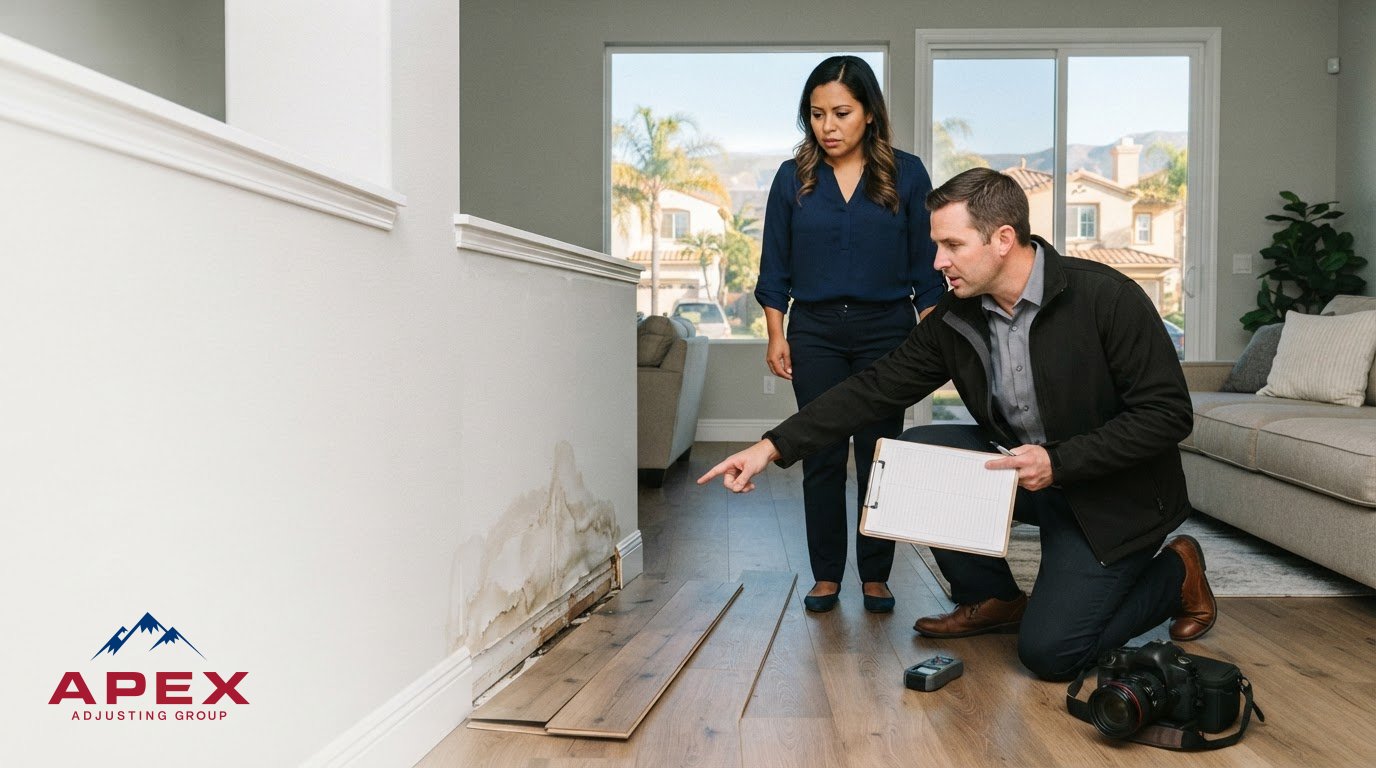
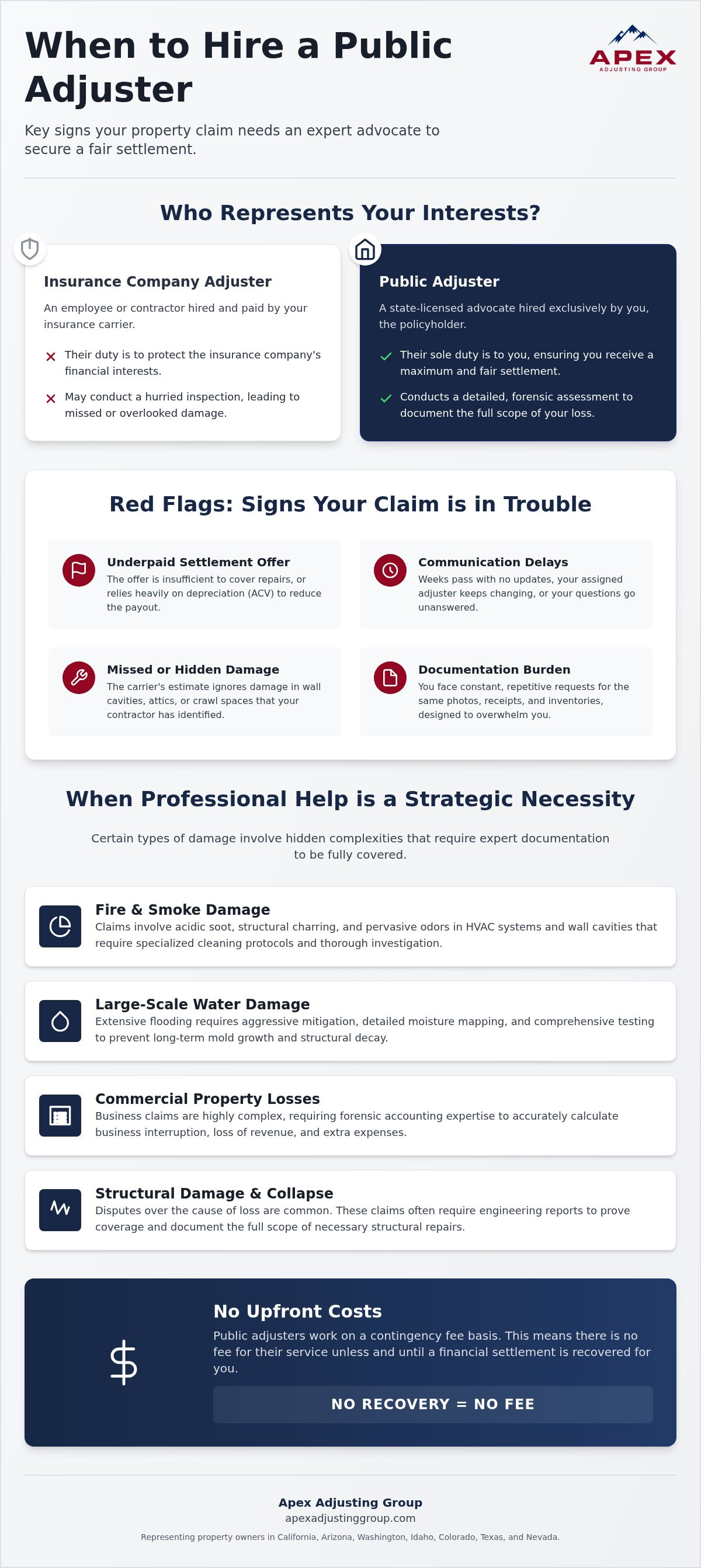
Don't assume your insurance company's initial inspection is exhaustive. Field adjusters often spend limited time on-site, which leads to missed damages in hidden areas like crawl spaces, wall cavities, or attic trusses. If your estimate excludes structural decay or soot contamination that your contractor flagged, your claim is already compromised. This disconnect is a primary indicator of when to hire a public adjuster to conduct a detailed, professional assessment of the loss. These experts identify the full scope of damage that staff adjusters might overlook during a hurried walkthrough.
Identifying Carrier Lowball Tactics
Carriers frequently utilize Actual Cash Value (ACV) calculations to reduce payouts, even when a policy provides for Replacement Cost Value (RCV). This tactic forces you to pay out of pocket for depreciation that your policy should technically cover. Additionally, carrier estimates often rely on regional price lists that don't reflect current labor and material costs. If you are struggling with an insufficient offer, seeking water damage insurance claim help can provide the technical data needed to challenge these valuations. Professional public adjusters verify that every line item in the estimate matches the reality of local construction markets.
Communication Red Flags
Silence from a carrier is often a tactic used to pressure policyholders into accepting smaller settlements. If your claim remains "under investigation" for weeks without a specific deadline or explanation, the carrier may be stalling. Repetitive requests for the same receipts, photos, or inventories are another sign of unnecessary friction designed to overwhelm you. A revolving door of assigned adjusters further complicates the process, as each new representative must restart the review from scratch. This lack of continuity often leads to errors and forgotten promises regarding coverage. Expert adjusters step in to manage these communications, ensuring all documentation is submitted correctly and that the insurer adheres to policy timelines.
Recognizing these red flags early helps property owners decide when to hire a public adjuster before the carrier issues a final denial or an underpaid settlement. Taking action when communication breaks down or damage is ignored protects the integrity of your claim. A licensed advocate ensures that complex policy exclusions are interpreted correctly and that your interests remain the priority throughout the negotiation process.
Checklist: Damage Scenarios Requiring an Adjuster
Specific property damage categories carry inherent complexities that a standard carrier inspection cannot resolve. While a minor roof leak might be straightforward, catastrophic events involve layers of damage that are often invisible to the naked eye. Knowing when to hire a public adjuster depends largely on the technical requirements of your specific loss. Complex claims require a level of forensic documentation that most property owners simply aren't equipped to provide alone. If your loss falls into one of the following categories, professional representation is a strategic necessity.
- Fire and Smoke Damage: These claims involve acidic soot, structural charring, and pervasive odors that require specialized cleaning protocols.
- Large-Scale Water Damage: Extensive flooding requires aggressive mitigation and moisture mapping to prevent long-term mold growth.
- Commercial Property Losses: Business interruption and loss of revenue calculations require forensic accounting expertise.
- Structural Collapse or Earthquake: Disputes often arise regarding the primary cause of loss, requiring engineering reports to prove coverage.
Fire and Smoke Damage Indicators
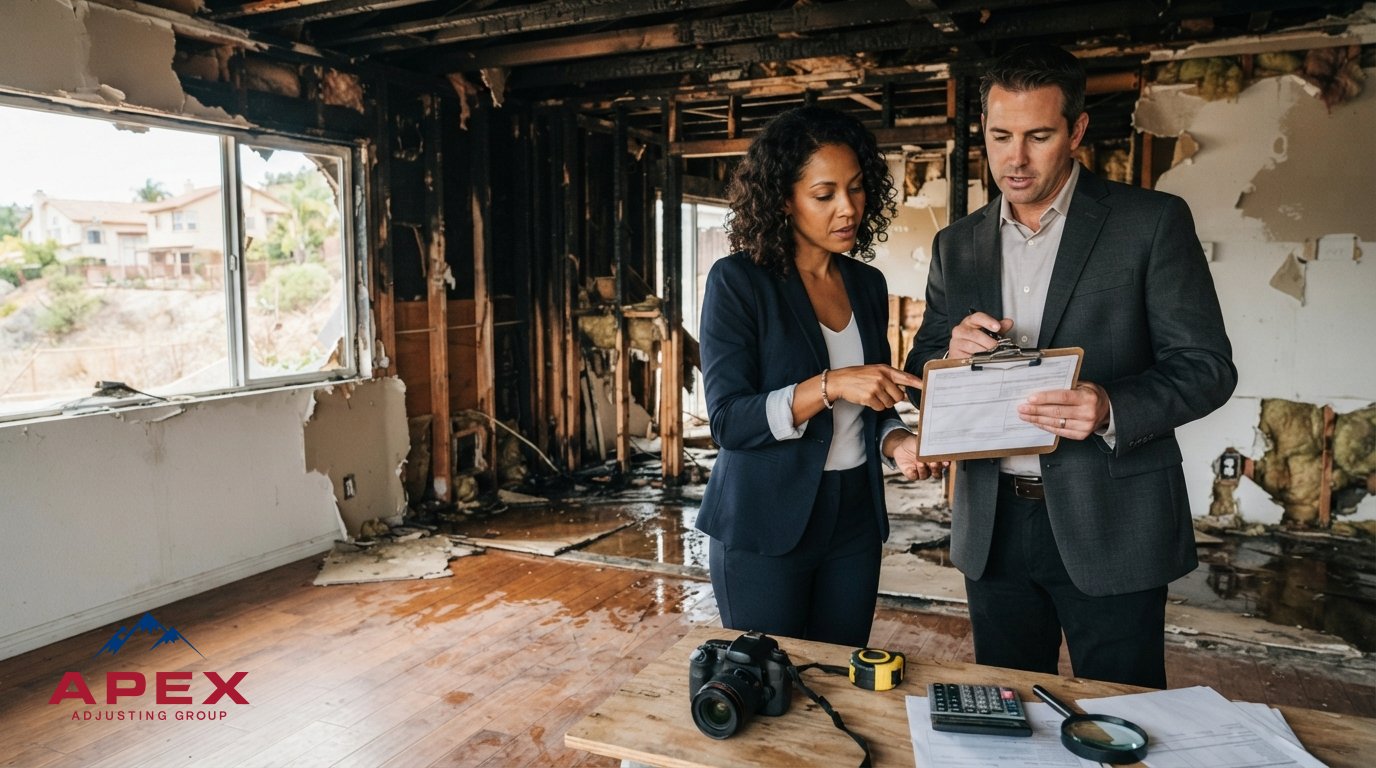
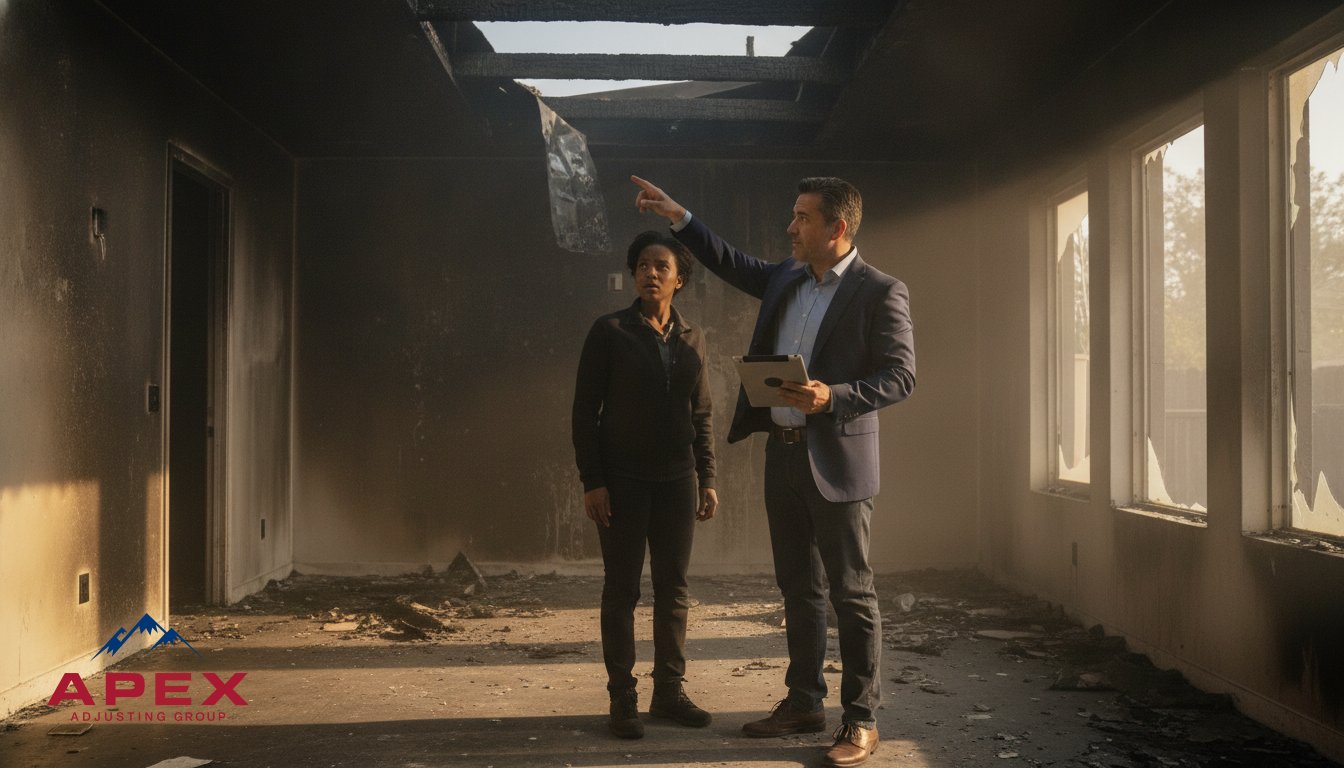
Fire losses are never limited to what the flames touched. Acidic soot residue can permanently etch electronics and high-end finishes if not neutralized immediately. Persistent smoke odors often signal that particulate matter has infiltrated the HVAC system or settled deep within wall cavities. You should review your fire damage insurance claim for any missed "hidden" damage behind drywall or inside insulation. A thorough investigation ensures that the full scope of restoration is captured in the settlement estimate. What Is a Public Adjuster's role in these cases is to provide the technical evidence needed to justify a comprehensive rebuild rather than a superficial cleaning.
Commercial and Multi-Unit Complexities
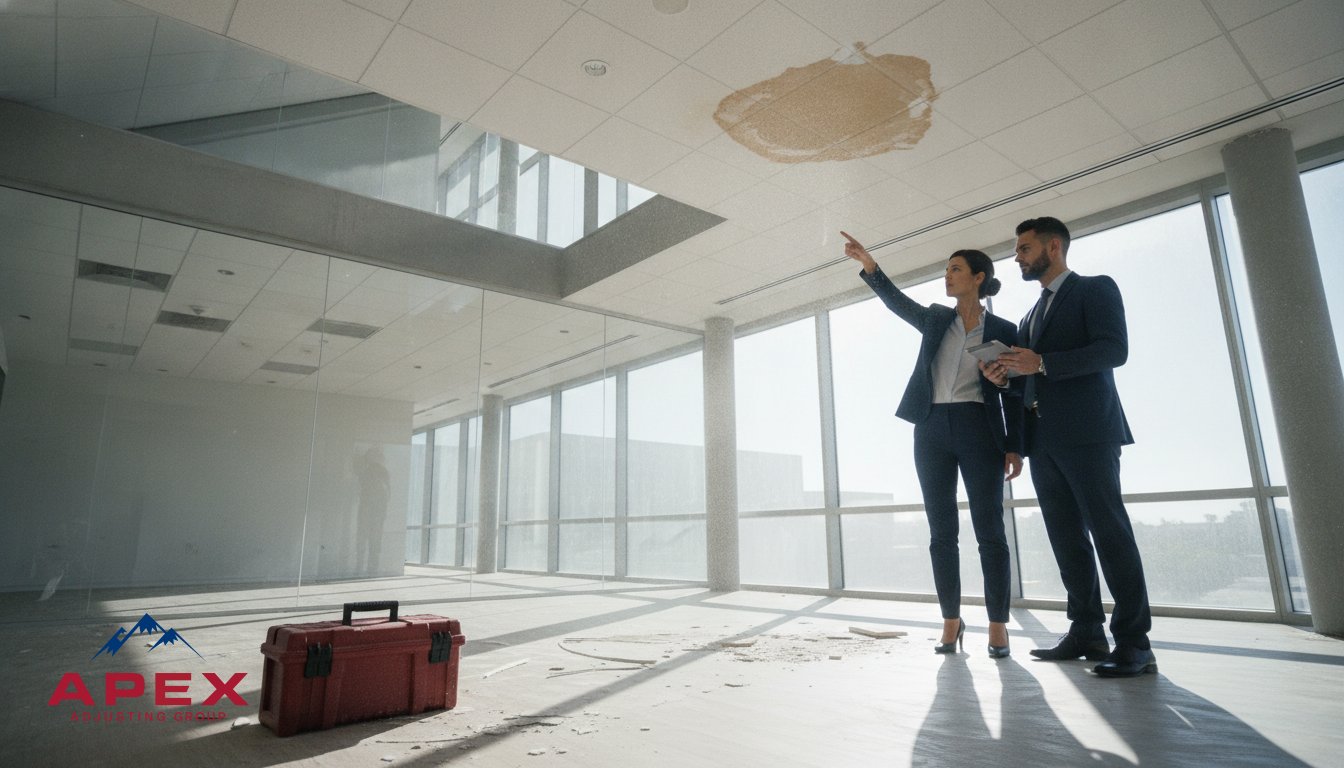
Managing commercial claims adds layers of difficulty, especially when multiple tenants or business operations are affected. You must document loss of use and extra expense provisions to keep your operations afloat while repairs are underway. These provisions are often buried in policy endorsements and require precise financial records to trigger payment. When structural integrity is in question, coordinating with independent structural engineers is vital to prove the extent of a collapse. If the carrier disputes the severity of the damage, having an expert ally ensures your commercial interests are protected. You can request a free claim review to determine if your current documentation is sufficient to cover these complex business losses.
Public Adjuster vs. Insurance Company Adjuster
Staff adjusters are direct employees of the insurance company. Their primary duty is to the carrier's bottom line. Their paycheck and career path depend on following corporate protocols that often prioritize cost containment over comprehensive repairs. Independent adjusters are third-party contractors, but they are still hired and paid by the insurer. Neither of these representatives has a legal or financial obligation to look out for your best interests. They are there to evaluate the loss from the perspective of the insurance carrier's liability.
Public adjusters are the only professionals licensed by state departments of insurance to represent the policyholder exclusively. They serve as a necessary counterweight to the insurer's experts. Understanding this fundamental conflict of interest helps you decide when to hire a public adjuster to manage your claim. Their entire focus is on uncovering and documenting the full extent of your loss to ensure the carrier honors the contract you paid for. They act as your shield against underpayment and improper denials.
The Fiduciary Duty of a Public Adjuster
A public adjuster acts as your personal advocate during every on-site meeting and phone call. They have a fiduciary responsibility to you, meaning they must act in your best financial interest. While a carrier adjuster might perform a cursory walkthrough, a public adjuster performs a forensic investigation. They identify and document every covered loss, from structural charring to hidden mold. This level of detail is vital for securing a public adjuster settlement increase that reflects the actual cost of restoration.
- Identify hidden structural damage overlooked by carrier staff.
- Provide detailed inventories for personal property or business equipment.
- Attend all field inspections to ensure the carrier sees the full scope of loss.
Expertise in Policy Interpretation
Insurance policies are complex legal documents filled with confusing jargon. Carriers often apply depreciation or deductibles in a way that minimizes their payout. A public adjuster analyzes your specific policy language to find coverage for items the carrier's adjuster might have overlooked or incorrectly excluded. They also manage critical administrative requirements, such as filing the Proof of Loss statement within the required timeframe. Missing these deadlines can result in a complete claim denial.
Deciding when to hire a public adjuster early in the process ensures these technical traps don't compromise your recovery. They provide the steady hand and specialized knowledge required to challenge an insurer's interpretation of the policy. You can read more about the consumer benefits of this role in the Forbes guide on When Should You Hire a Public Adjuster? to better understand your rights. Leveraging this expertise early prevents the carrier from setting an artificially low ceiling on your settlement.
The Optimal Timing for Professional Representation
Timing is everything in a property loss. Many owners wait until they hit a wall with their carrier, but the most effective time for when to hire a public adjuster is immediately after the damage occurs. Early involvement ensures that initial evidence is preserved and prevents the insurer from setting an artificially low baseline for your recovery. Delaying professional help often leads to missed filing deadlines or unintentional statements that weaken your position. Protect your claim from the start by securing an advocate before the carrier’s adjuster completes their first report.
Early Intervention Benefits
Carriers often request recorded statements or cause-of-loss declarations within hours of a disaster. Without an expert present, you might inadvertently use language that triggers a complex policy exclusion. Engaging a public adjuster on day one prevents these binding errors. They also verify that emergency mitigation, such as water extraction or board-ups, is performed correctly to prevent secondary damage like mold. This proactive approach establishes a professional tone for the entire claim and signals to the insurer that you expect a thorough, transparent evaluation.
Reopening Closed or Underpaid Claims
Receiving a check doesn't always mean the claim is over. If you discover additional damage after repairs begin, you may be eligible to file a supplemental claim. Knowing when to hire a public adjuster is just as important if you've already received an offer that fails to cover your contractor's bids. States like California, Texas, and Colorado allow for these adjustments if the original settlement was insufficient. A public adjuster reviews previous payments to identify missed line items, inadequate labor rates, or hidden structural decay that was overlooked during the initial walkthrough.
Even a denied claim can often be revived with the right technical evidence. Expert adjusters look for "newly discovered damage" and gather the engineering reports or thermal imaging data required to force a re-evaluation of the file. Documentation is the primary weapon in these scenarios. Professional representation ensures that every dollar of covered damage is accounted for, regardless of the carrier's initial stance. Don't let a lowball offer or a partial denial be the final word on your property's recovery.
Secure Your Recovery with Apex Adjusting Group
Apex Adjusting Group stands as a dedicated advocate for property owners facing the daunting machinery of insurance companies. Deciding when to hire a public adjuster shouldn't be a gamble with your remaining resources. We provide expert representation for both residential and commercial property owners, ensuring that a professional team manages every documentation requirement and carrier meeting. Our adjusters take the burden of negotiation off your shoulders so you can focus on rebuilding your life or business.
The No Recovery, No Fee Model
Financial risk is a primary concern for those already suffering from a major loss. We operate on a contingency basis, which means there are no upfront costs for our services. We only collect a fee when a settlement is successfully obtained. This model aligns our interests directly with yours; we are motivated to maximize your recovery because our success is tied to yours. We offer free claim evaluations to help you determine if professional intervention is necessary for your specific residential claims or complex commercial losses.
Regional Expertise in the Western United States
Insurance regulations vary significantly across state lines, and local knowledge is indispensable during a high-stakes claim. Apex Adjusting Group maintains licensed advocacy across California, Arizona, Washington, Idaho, Colorado, Texas, and Nevada. Our team understands the specific policy forms and building codes unique to major hubs like Los Angeles and Phoenix. This regional expertise ensures that your claim complies with state-specific mandates while pushing for the maximum allowable settlement under your policy terms.
Don't wait for a denial letter to seek professional help. Knowing when to hire a public adjuster early in the process provides the best opportunity to secure a settlement that covers the full scope of your repairs. Our team handles the stressful communication with the insurer and validates hidden damages that staff adjusters often overlook. Contact Apex Adjusting Group today for a professional review of your active claim and take the first step toward a fair recovery.
Take Control of Your Property Recovery
Navigating a property claim alone often leads to underpayment and missed structural damage. Professional advocacy ensures that policy language is interpreted in your favor and that every item of loss is documented with forensic precision. Understanding exactly when to hire a public adjuster allows you to bypass carrier delays and secure the funds needed for a full restoration. Representation is a strategic necessity for complex losses where the insurance company's interests don't align with your own.
Apex Adjusting Group provides this specialized representation across seven western states, including California and Texas, on a contingency basis. There is no financial risk to the property owner because there is no fee unless a settlement is obtained. Our specialists focus on fire and water damage claims, providing the technical expertise required to challenge lowball offers. You don't have to face the insurance company's experts by yourself.
Secure a steady hand to handle the stress and complexity of your claim. Expert validation is the key to moving forward with confidence and ensuring your property is returned to its pre-loss condition.
Frequently Asked Questions
Is it too late to hire a public adjuster if I already accepted a check?
You can often still hire an expert even after accepting a partial payment. Most states allow policyholders to file supplemental claims if they discover hidden damages or realize the initial check didn't cover the full scope of repairs. A public adjuster reviews your previous settlement to identify missed line items or inadequate labor rates that were overlooked during the first inspection. This review ensures you don't leave money on the table for covered damages.
How much does a public adjuster typically cost?
Apex Adjusting Group operates on a contingency fee basis. This means there are no upfront costs for the property owner. The fee is calculated as a percentage of the settlement successfully obtained from the insurer. If there is no recovery, there is no fee. This mechanism ensures that the adjuster is motivated to maximize your settlement while removing the financial burden from your shoulders during a stressful recovery period.
Can a public adjuster help if my property claim was denied?
Professional representation is vital when a claim has been denied. Public adjusters conduct a forensic review of the denial letter and your policy language to identify errors in the carrier's interpretation. They gather technical evidence and engineering reports to challenge the insurer's findings. Knowing when to hire a public adjuster after a denial can often revive a claim that appeared closed. This advocacy forces the carrier to re-evaluate the evidence provided.
What is the difference between a public adjuster and an independent adjuster?
The primary difference is who the adjuster represents. Independent adjusters are third-party contractors hired by the insurance company to protect the carrier's interests. Public adjusters are the only professionals licensed to represent the policyholder exclusively. They act as your advocate to ensure the insurer honors the terms of the contract and pays the full value of the loss. They serve as a necessary counterweight to the insurance company's internal team.
Do I need a public adjuster for a small water leak claim?
Small leaks can hide significant secondary damage like mold or structural rot. While a minor surface leak might not require an expert, you should consider professional help if you suspect the damage extends into wall cavities or subflooring. A free claim evaluation can determine if the scope of damage justifies professional public adjusting services. This prevents you from accepting a minimal settlement for a problem that requires extensive remediation and repairs.
Will hiring a public adjuster delay my insurance settlement?
Hiring an expert often accelerates the process by providing the carrier with a comprehensive, professional documentation package. While a public adjuster ensures every detail is accounted for, their specialized knowledge prevents the back-and-forth communication delays common in unrepresented claims. Knowing when to hire a public adjuster early allows the carrier to process the file more efficiently. This professional approach signals to the insurer that you expect a thorough and timely evaluation.
What states is Apex Adjusting Group licensed to work in?
Apex Adjusting Group is licensed to provide professional public adjusting services in seven western states. These include California, Arizona, Washington, Idaho, Colorado, Texas, and Nevada. Our adjusters understand the specific state regulations and local building codes in major cities such as Los Angeles, Phoenix, and Seattle. This regional expertise ensures your claim complies with all local insurance mandates while pushing for a settlement that covers the true cost of your property repairs.
Does a public adjuster provide legal advice or represent me in court?
No, public adjusters are not attorneys and do not provide legal advice or court representation. They are licensed experts in property damage assessment, policy interpretation, and settlement negotiation. If a claim requires legal action or litigation, you must consult with a licensed attorney. A public adjuster's role is to resolve the claim through the administrative and appraisal processes defined in your policy. They provide expert witness services but do not practice law.
Need Help with Your Insurance Claim?
Our licensed public adjusters can help you get the maximum settlement you deserve. Contact us today for a free claim evaluation.
Related Articles