What if the settlement offer sitting on your desk is only a fraction of what you actually need to rebuild? You've paid your premiums and followed the rules, yet the insurance company's adjuster provided an estimate that doesn't account for the true scope of your loss. It's a common struggle for property owners in states like California, Texas, and Washington who feel lowballed and overwhelmed by technical requirements. Many policyholders begin searching for the average public adjuster settlement increase to determine if professional help is a strategic investment or an unnecessary expense.
The anxiety of high repair costs combined with a stagnant claim is a heavy burden for any property owner. This guide explores how professional representation can impact an insurance recovery by identifying missed damage categories and documenting the full extent of the loss. It examines how the contingency fee model works and whether the potential for a higher net recovery justifies the cost. The following sections break down the technical process of claim management to show how to move from an insufficient offer to a settlement that covers actual repairs.
Key Takeaways
- Learn how technical expertise during the inspection phase often uncovers missed damage categories that insurance company adjusters may overlook.
- Understand why property owners evaluate the average public adjuster settlement increase to determine if professional representation provides a positive return after the contingency fee.
- Identify the critical differences between a carrier's staff adjuster and a public adjuster who holds a fiduciary duty to protect your interests.
- Discover the specific red flags that indicate a claim is being underpaid and why complex losses like fire or structural collapse require independent documentation.
- Explore how licensed experts in states like California, Texas, and Arizona manage the technical burden of a claim to reduce personal stress and ensure policy compliance.
The Reality of Public Adjuster Settlement Increases
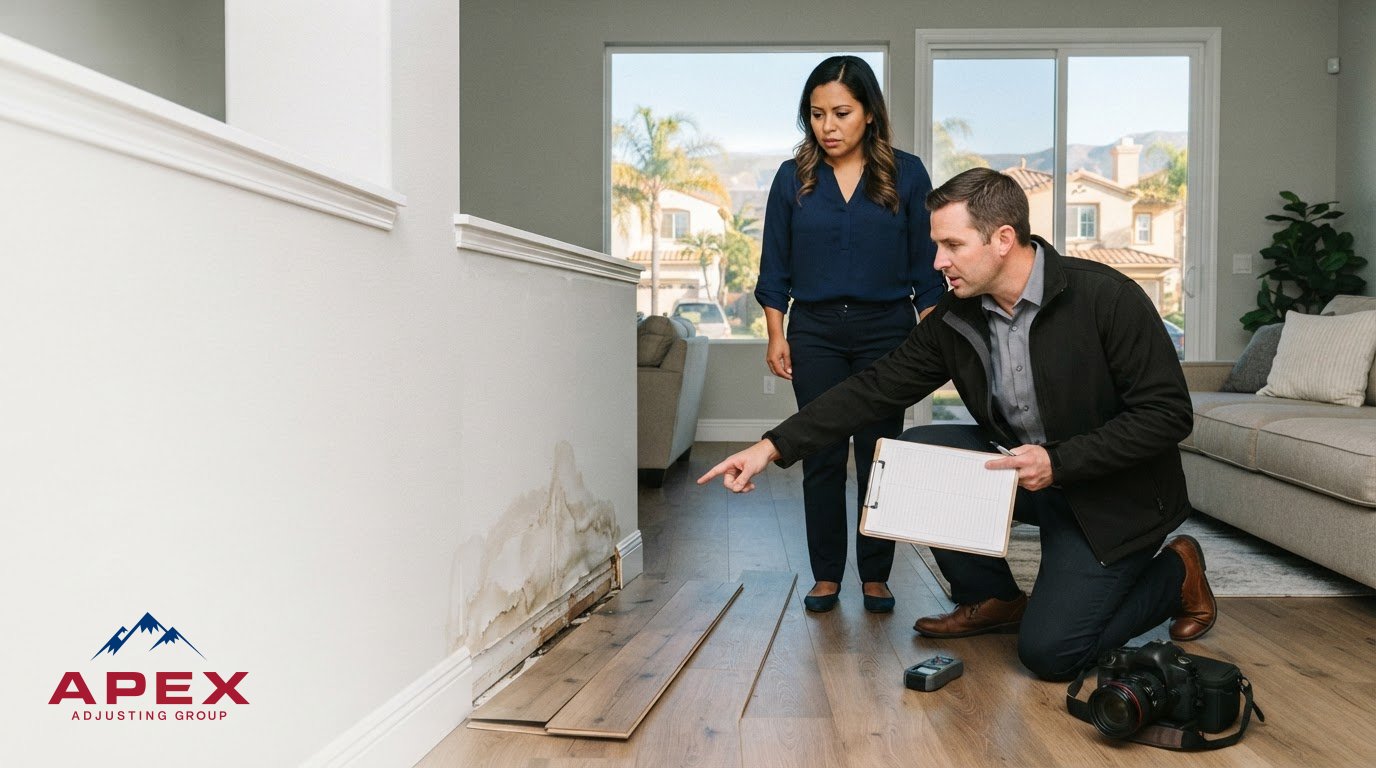
A property owner receives an initial settlement offer from their insurance carrier and feels immediate relief. That relief often turns to frustration when the first contractor bid arrives. This gap is where the value of professional representation becomes clear. A public adjuster settlement increase is the difference between that initial insurer offer and the final negotiated recovery. While many policyholders search for the average public adjuster settlement increase to justify the cost, the real value lies in the technical precision of the inspection. Apex Adjusting Group provides this expertise for property owners in California, Arizona, Washington, Idaho, Colorado, Texas, and Nevada. It's a technical correction of an incomplete evaluation. A Public adjuster identifies what the carrier's adjuster missed; things like hidden smoke odor or subtle structural instability.
Why Insurance Offers Are Often Lower Than Repair Costs
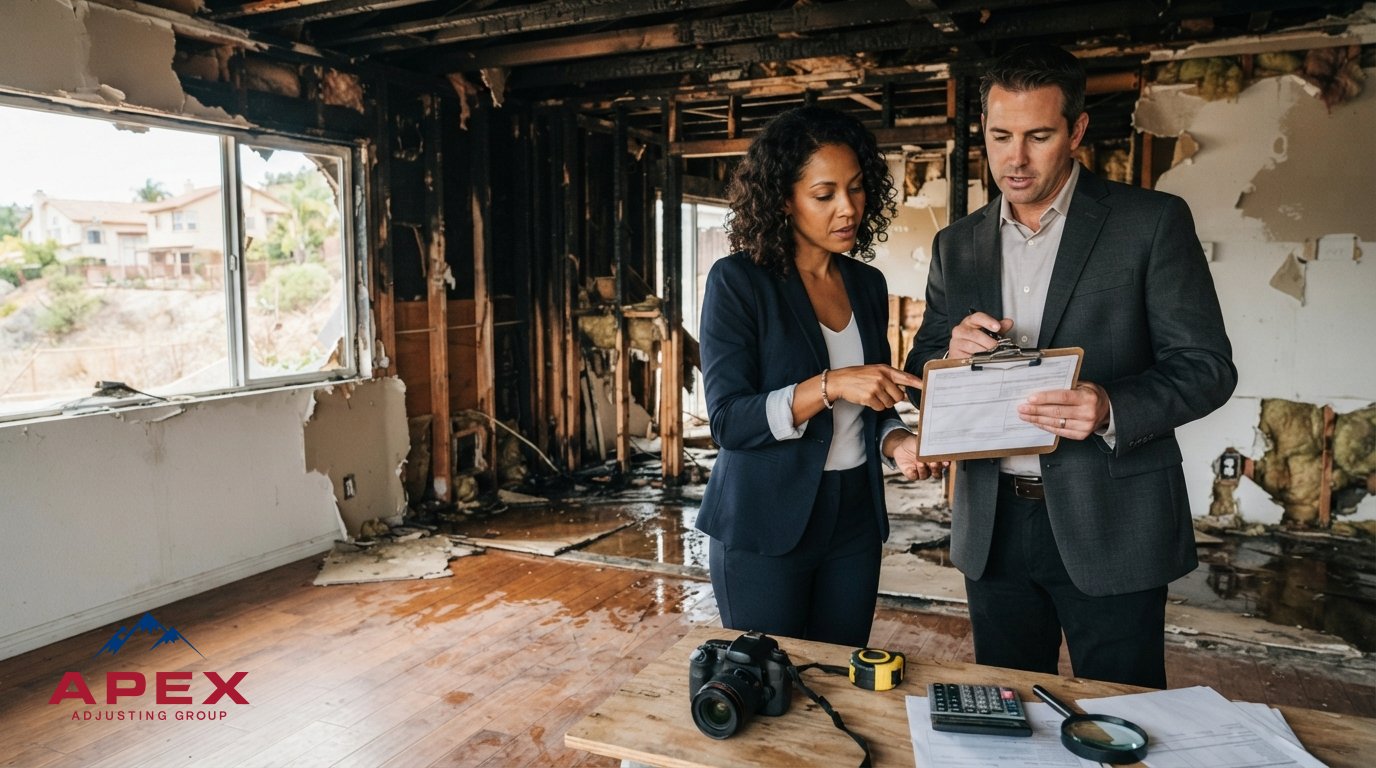
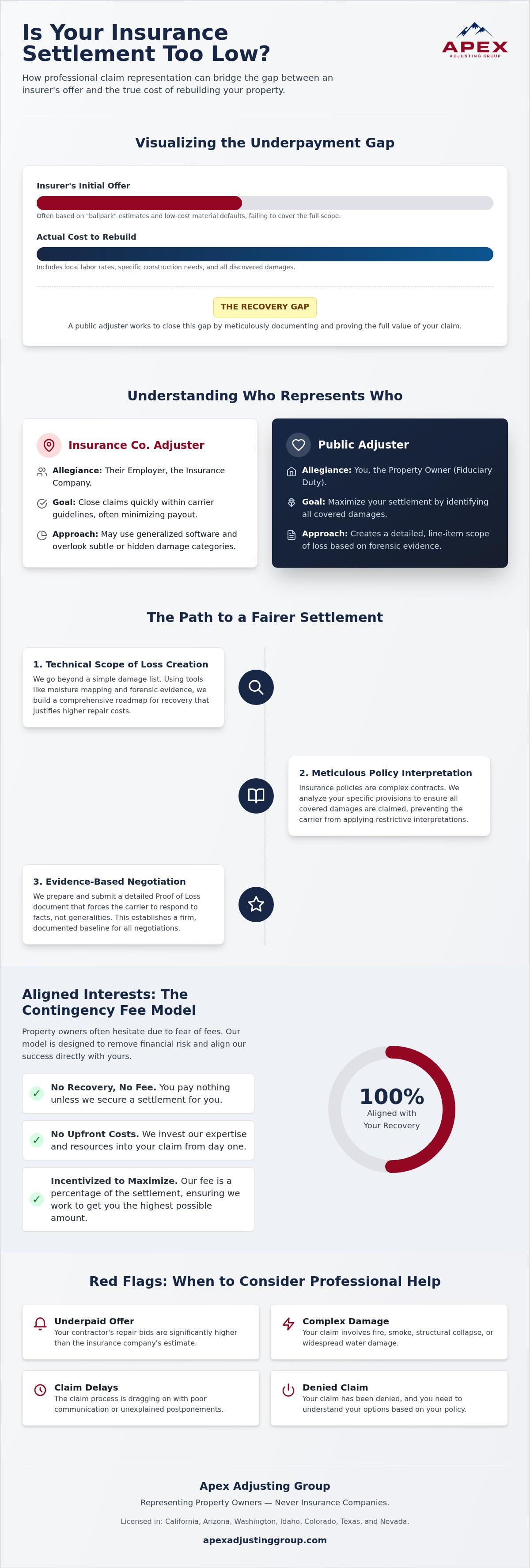
Insurance company staff adjusters have a primary duty to their employer. Their goal is to close files quickly and efficiently within carrier guidelines. This often results in "ballpark" estimates that fail to account for local labor rates or specific construction requirements. In complex fire damage claims, carriers frequently overlook the technical cleaning needed for HVAC systems or the corrosive effects of soot on electronics. These omissions lead to underpayment that leaves the property owner footing the bill for essential repairs. A line-item construction bid is necessary to reflect the true cost of restoration. Staff adjusters may use software that defaults to the lowest possible material costs, ignoring the actual quality of your existing finishes.
The Scope of Loss: The Foundation of an Increase
The most powerful tool in any claim negotiation is a comprehensive scope of loss. This document goes beyond a simple list of damaged items. It serves as a technical roadmap for the entire recovery process. Public adjusters use forensic evidence and moisture mapping to justify higher repair costs. They match specific policy provisions to identified damage categories, ensuring no coverage is left on the table. For instance, in structural collapse claims, documenting the progression of the failure is vital. A detailed Proof of Loss document establishes a firm baseline for negotiations. It forces the carrier to respond to facts rather than generalities. Professional documentation ensures that every category of damage, from structural framing to cosmetic finishes, is accounted for in the final demand.
Myth vs. Reality: Is a Public Adjuster Worth the Fee?
Property owners often hesitate to hire a professional because they fear the fee will deplete their final repair budget. It's a common misconception that self-representation saves money. In reality, the average public adjuster settlement increase often covers the professional fee and provides additional funds for the actual restoration. This happens because a licensed expert uncovers line items that a layperson simply wouldn't know to look for. According to the National Association of Public Insurance Adjusters, these professionals are specifically trained to interpret policy language and document every loss category accurately.
Another myth is that negotiation is just about common sense haggling. Insurance policies are complex legal contracts, not simple service agreements. You aren't just negotiating a price; you're arguing for the correct interpretation of specific policy provisions. Without specialized knowledge, you risk leaving significant funds on the table. Professional adjusters act as a shield, preventing the carrier from applying restrictive interpretations to your valid claim.
Analyzing the Contingency Fee Model
The contingency fee model is designed to protect the property owner from financial risk. It operates on a "no recovery, no fee" basis. This structure removes the barrier of high upfront costs and aligns the adjuster's interests with yours. Because the fee is a percentage of the total settlement, your adjuster is incentivized to maximize the recovery. They don't get paid unless you do. This creates a powerful partnership where the expert takes on the technical burden while you focus on your family or business.
The Opportunity Cost of Self-Representation
Managing a complex fire or water damage claim is a full-time job. It requires hundreds of hours of documentation, phone calls, and site visits. The biggest risk of self-representation isn't just the time lost; it's the mistakes made during the process. Insurance carriers often request recorded statements early in the claim. A single incorrect word or technical admission can be used to limit your recovery or deny specific damage categories entirely.
Settling quickly might feel like a relief, but it often leads to long-term financial loss. Once you sign off on a settlement, finding hidden mold or structural issues later becomes a major hurdle. If you aren't sure if your current offer is fair, a professional claim evaluation can clarify your position before you sign away your rights. Expert representation ensures that your claim is handled with the technical precision required for a full recovery.
Public Adjuster vs. Insurance Adjuster: The ROI Difference
Insurance companies assign staff adjusters to manage your file. These individuals are employees with a clear mandate to protect the carrier's financial interests. In contrast, a public adjuster holds a fiduciary duty exclusively to you. This fundamental difference in loyalty directly impacts the average public adjuster settlement increase seen in complex property losses. While a staff adjuster looks for reasons to limit exposure, a professional advocate looks for every line item required to restore your property to its pre-loss condition. This isn't just about negotiation; it's about technical accuracy.
Whose Side Are They On?
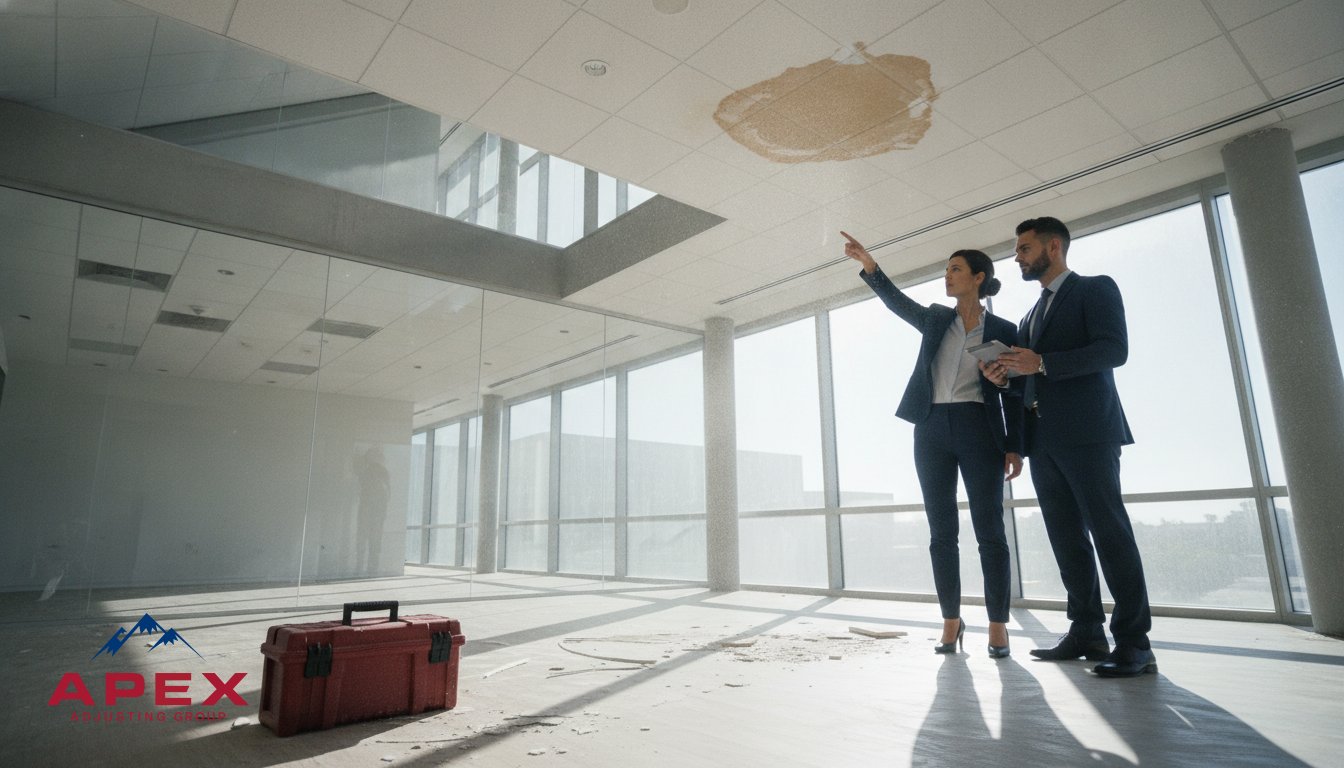
The carrier's adjuster is the face of the insurance company. They follow internal guidelines designed to keep claim payouts within specific limits. A public adjuster is the only licensed professional authorized to represent your interests during a loss. This advocacy is vital during high-stakes commercial claims where business interruption and complex structural damage are involved. Having an expert present during the initial on-site inspection prevents the carrier from glossing over hidden damage. It forces a level playing field from the first day of the claim process.
Technical Accuracy in Estimating
Standard insurance software often utilizes national averages that don't reflect local market realities. Professional adjusters provide independent estimates that account for the critical difference between Actual Cash Value and Replacement Cost Value. They identify specific requirements for local building codes and ordinance changes that staff adjusters frequently overlook. For example, carrier software often underestimates the cost of specialized trades and high-end materials in expensive markets like Seattle.
Professional documentation does more than just increase the claim value; it reduces the cycle time of a disputed file. When you present a carrier with a technically sound, line-itemed demand, you remove their ability to stall through ambiguity. You provide the evidence they need to justify a higher payment internally. This proactive approach transforms the claim from a series of vague disagreements into a data-driven negotiation. It's the difference between waiting for a lowball check and demanding a recovery that covers your actual repair costs. Expert adjusters ensure that every category of damage is supported by forensic evidence that is difficult for carriers to ignore.
How to Evaluate If Your Claim Needs Professional Help
Property owners often sense a gap between their needs and the insurer's offer but lack the technical vocabulary to bridge it. Policyholders shouldn't have to guess if a settlement is fair. Scrutinize the carrier's estimate for missing line items or generic labor costs. Many owners look into the average public adjuster settlement increase when they realize a current offer won't even cover the demolition phase of repairs. If the numbers don't add up, it's time to demand a more thorough inspection.
Specific red flags indicate an underpaid claim. These include:
- Estimates that ignore local building code requirements or ordinance changes.
- Refusal to account for hidden smoke odor or moisture trapped behind walls.
- Constant requests for the same documentation, which often serve as delay tactics to force a lower settlement.
- Pressure to accept a "final" offer before the owner has received independent contractor bids.
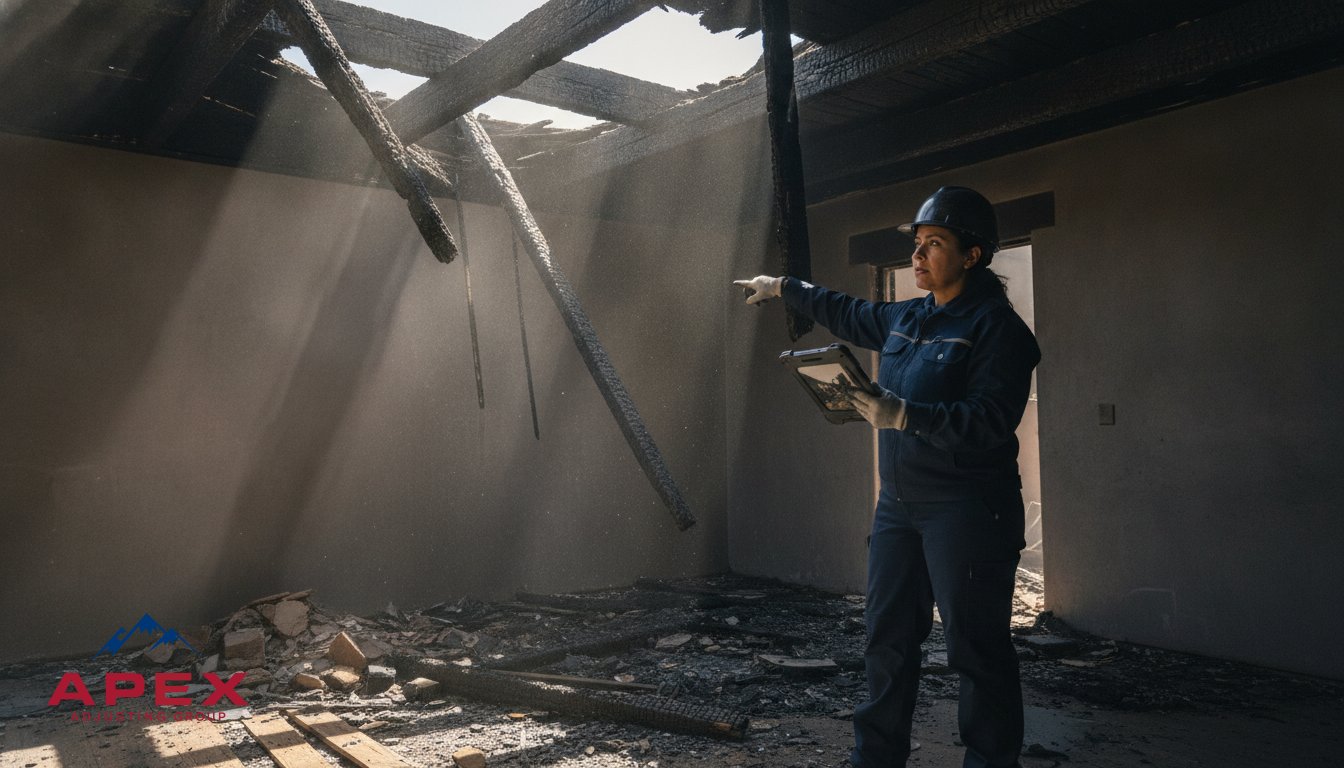
Specialized losses like fire or structural collapse require a higher level of scrutiny. These claims involve technical variables that staff adjusters often overlook during a brief walk-through. Apex Adjusting Group provides licensed expertise across the Western US, including California, Arizona, Washington, Idaho, Colorado, Texas, and Nevada. Licensing ensures that a representative follows strict state standards for ethical claim handling and professional conduct.
When to Call a Professional
Timing is a critical factor in claim success. Contacting an expert immediately after a loss, and before the first carrier inspection, sets a professional tone for the entire process. This prevents an owner from making technical admissions that could limit recovery later. If a policyholder finds themselves lost in the "Exclusions" section of a policy, they need a specialist to interpret those provisions. Expert representation is especially vital when the insurer's estimate is significantly lower than real-world bids from local contractors.
The Free Claim Evaluation Process
A free claim review provides a no-pressure technical audit of a current claim situation. An expert reviews the existing offer against the actual physical damage to identify missed opportunities for recovery. This second opinion is essential for fire damage claims, where the most expensive damage is often invisible to the naked eye. Policyholders gain a clear understanding of the average public adjuster settlement increase potential for their specific file before committing to any representation.
Strategic Recovery with Apex Adjusting Group
Property owners shouldn't have to fight billion-dollar corporations alone. Apex Adjusting Group steps into the fray as a dedicated advocate, removing the technical and emotional burden of a claim from your shoulders. We don't just ask for more money; we demand a correction based on forensic documentation. Our team handles every phone call, email, and meeting with your carrier, ensuring that your time remains yours. While many policyholders investigate the average public adjuster settlement increase to verify the value of our service, they often find that the real benefit is the total management of a high-stakes crisis.
Expertise Across the Western United States
Our presence in states like California, Arizona, Washington, Idaho, Colorado, Texas, and Nevada allows us to provide localized expertise that national firms often lack. We understand the specific market conditions in Los Angeles and the unique environmental factors affecting properties in Phoenix. This regional focus is critical when navigating complex earthquake damage claims, where structural integrity issues are frequently hidden beneath the surface. We know the local building codes and ordinance requirements that must be met for a property to be legally restored. This specialized knowledge ensures that your settlement reflects the true cost of compliance in your specific city.
Your Path to a Fair Settlement
Working with Apex is a methodical process designed to maximize your recovery while minimizing your stress. It starts with a comprehensive policy review and a physical inspection of your property. We then create a detailed, line-item estimate that serves as the backbone of our demand. Our adjusters lead the negotiations, presenting technical evidence that carriers cannot easily dismiss. You stay informed at every stage, but we take the lead on the difficult conversations. This assertive approach ensures that no damage categories are ignored during the settlement process.
We operate on a "No Recovery, No Fee" basis. This means we only get paid when we successfully obtain a settlement for you. There's no financial risk in seeking professional representation, only the potential for a more accurate recovery. Don't let a lowball offer dictate your future or your ability to rebuild. If you're ready to see how professional advocacy impacts the average public adjuster settlement increase for your specific loss, reach out for a professional claim assessment. We provide the steady hand and technical precision needed to move your claim from a point of distress to a successful resolution.
Request your free claim review today.
Secure Your Full Property Recovery
Professional representation shifts the power dynamic back to the property owner by providing a technical counter-balance to the insurance company's interests. Independent documentation identifies missed damage categories that carrier-mandated software often ignores. Understanding the potential for an average public adjuster settlement increase is the first step in deciding if professional help is right for your claim. It's a strategic move that ensures your recovery is based on facts rather than a ballpark estimate.
Apex Adjusting Group provides this expert advocacy across California, Arizona, Washington, Idaho, Colorado, Texas, and Nevada. Our team specializes in complex fire and structural collapse claims, bringing technical precision to every file. We operate on a contingency fee basis; there is no fee unless we obtain a settlement for you. You don't have to navigate this high-stakes process alone or settle for an offer that doesn't cover your actual repair costs.
Take control of your recovery and ensure every damaged line item is accounted for. Protect your investment with a licensed professional who understands the system and is unafraid to challenge it.
Frequently Asked Questions
How much does a public adjuster increase a settlement on average?
Evaluating the average public adjuster settlement increase requires looking at the specific missed line items in a carrier's estimate. Professional documentation bridges the gap between a ballpark offer and the actual cost of restoration. Expertise in forensic inspections allows for a more accurate recovery than a staff adjuster's quick walkthrough. While every claim is unique, identify hidden damage categories is the primary mechanism for a higher settlement.
Is it worth hiring a public adjuster for a small claim?
Evaluate the complexity of the damage rather than just the dollar amount. A seemingly small water leak can hide extensive mold or structural rot that exceeds your deductible. If the insurer's offer doesn't cover the true scope of work, professional representation helps you avoid paying out of pocket. We provide free claim evaluations to determine if our services provide a positive return on your specific loss in cities like Seattle or Los Angeles.
Can I hire a public adjuster if I already accepted a check from the insurance company?
You can often hire a public adjuster after receiving a check, provided you haven't signed a final release or waiver. Many property owners discover that the initial payment is insufficient once they receive actual contractor bids. Reopening a claim is a standard procedure when new damage is found or if the initial estimate was incomplete. We review your current settlement to identify underpaid areas and evaluate the potential average public adjuster settlement increase for your file in states like Texas and Arizona.
Will my insurance company drop my coverage if I hire a public adjuster?
No, your insurance carrier cannot legally drop your coverage simply for hiring a licensed public adjuster. You have a right to professional representation during the claim process. Hiring an expert is a business decision to ensure policy compliance and technical accuracy. Licensed adjusters in Nevada and Colorado operate under strict state regulations that protect your right to advocate for a fair settlement.
What percentage do public adjusters usually charge?
Public adjusters operate on a contingency fee basis, meaning the fee is a percentage of the final settlement. In Texas, state law caps this fee at 10% of the claim payment. This "no recovery, no fee" structure ensures your interests are aligned with ours. You don't pay upfront costs for expertise as we only collect a fee once we successfully negotiate a settlement in states like California or Idaho.
How long does it take for a public adjuster to settle a claim?
The timeline varies based on the complexity of the damage and the carrier's responsiveness. Professional documentation often reduces the cycle time by providing a technically sound demand that is difficult to dispute. While some claims resolve in weeks, large-loss fire or structural collapse cases can take months. Our goal is to move the process efficiently while ensuring no damage categories are missed in Spokane or Reno.
Can a public adjuster help with a denied insurance claim?
Yes, a public adjuster can provide a critical second opinion on a denied claim by analyzing the denial letter against your specific policy provisions. Many denials stem from a staff adjuster's misinterpretation of the cause of loss or an incomplete inspection. If the evidence supports a covered loss, we present a technical rebuttal to the carrier. This assertive advocacy is essential for complex earthquake or fire claims.
Do I still need a contractor if I hire a public adjuster?
Yes, you still need a contractor to perform the physical repairs because a public adjuster only manages the financial and documentation side of the claim. Apex Adjusting Group does not provide construction or repair services. We work to ensure you have enough funds to hire the quality contractor of your choice. Your contractor can focus on rebuilding while we focus on the technical negotiations with your insurance carrier.
Need Help with Your Insurance Claim?
Our licensed public adjusters can help you get the maximum settlement you deserve. Contact us today for a free claim evaluation.
Related Articles