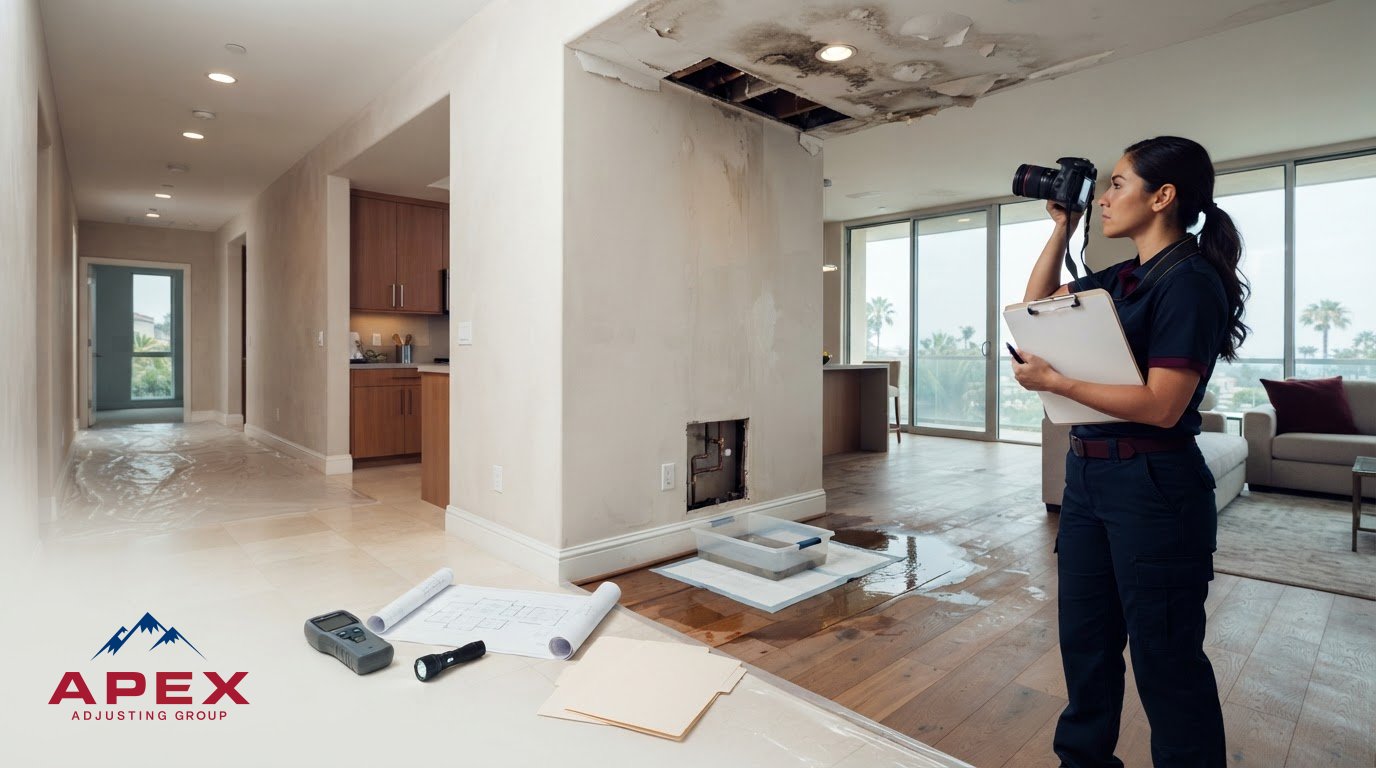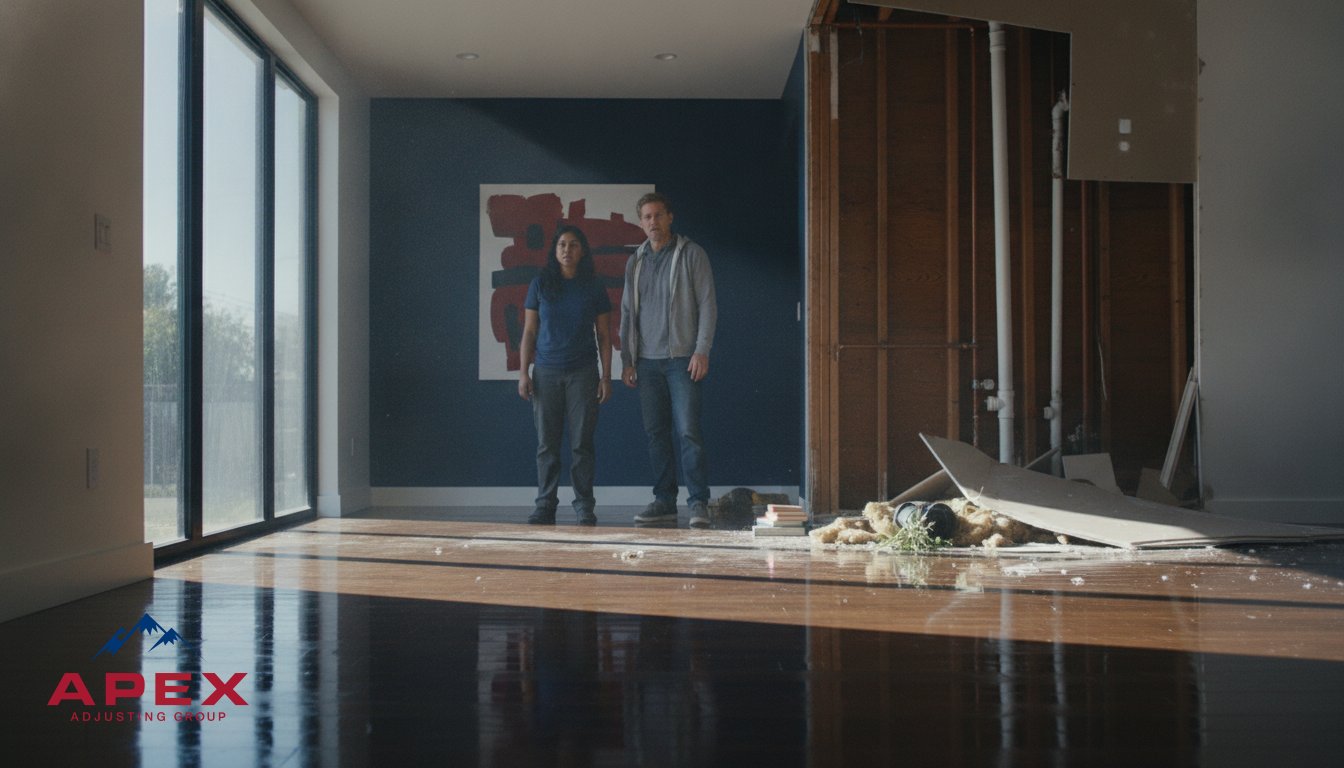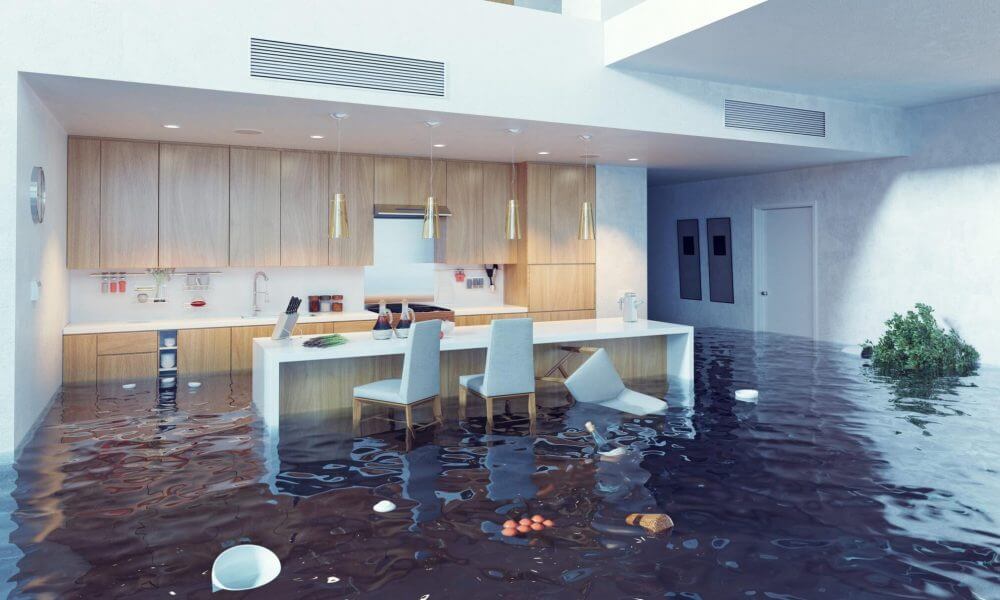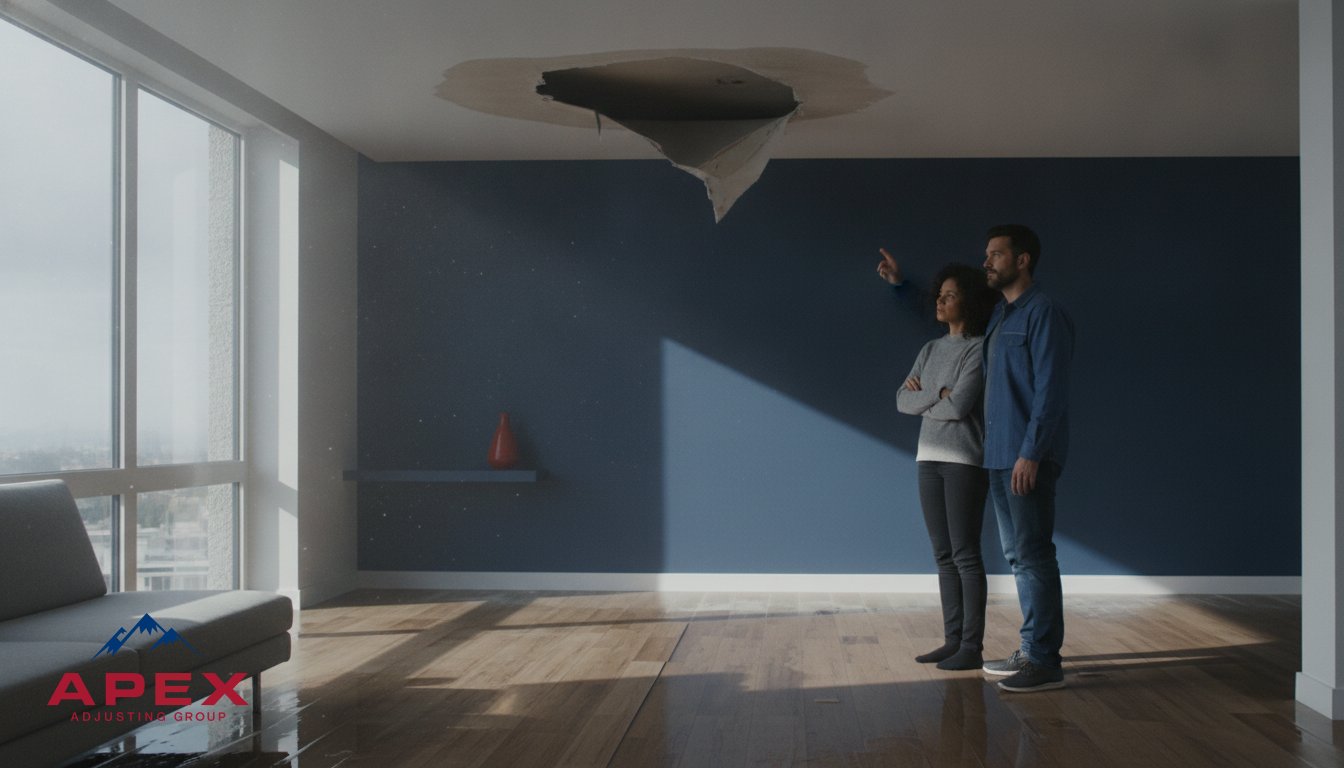
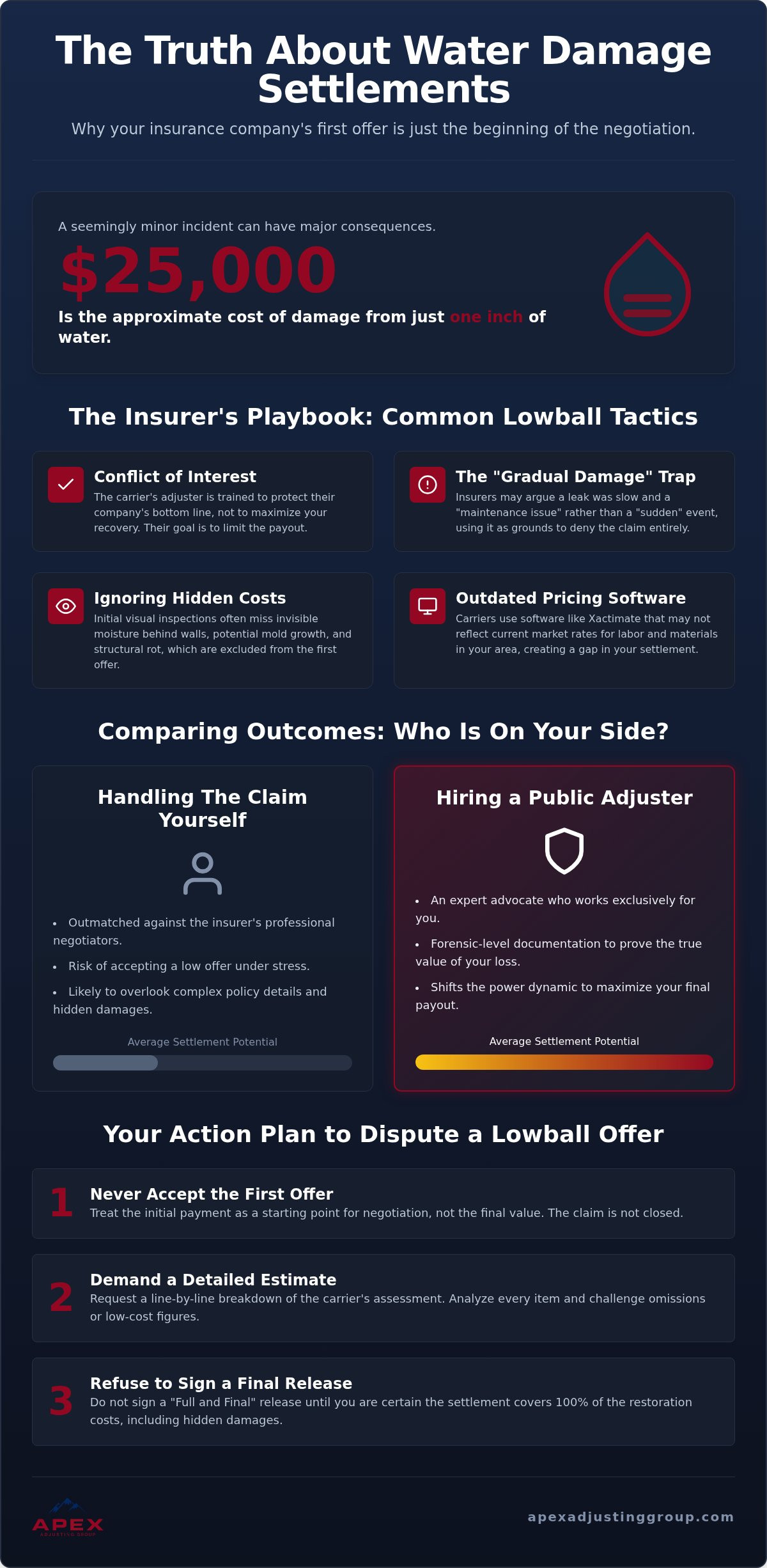
Just one inch of water can cause approximately $25,000 in damage, yet many property owners receive initial offers that barely scratch the surface of their actual restoration costs. You've paid your premiums faithfully, but when a pipe bursts or a roof leaks, your insurance carrier often responds with a check designed to protect their profit margins rather than your property. In high-stakes markets from Los Angeles to Seattle, a lowball water damage claim settlement is a calculated corporate maneuver, not an accidental oversight.
We understand the frustration of feeling cheated while facing the high cost of restoration and confusing policy language regarding "sudden" versus "gradual" damage. You deserve a settlement that covers the full cost of professional repairs without the stress of a constant back-and-forth with the carrier. You aren't just looking for a check; you're looking for clarity on what your policy actually covers and a steady hand to lead the fight against unfair denials.
Discover how to identify common insurance lowball tactics and leverage professional negotiation to maximize your final payout. We'll explore the hidden factors that dictate your recovery and provide tactical steps to dispute unfair offers. This article provides the roadmap you need to stop playing the insurance company's game and start securing the funds necessary to restore your home or business.
Key Takeaways
- Treat your initial offer as a starting point; a water damage claim settlement is a negotiated contract rather than a fixed, final value.
- Recognize the inherent bias of carrier adjusters who are trained to prioritize the insurance company's bottom line over your home's restoration.
- Uncover hidden costs like invisible moisture and "recoverable depreciation" that adjusters often omit to keep your payout as low as possible.
- Protect your rights by refusing to sign a "Full and Final" release until you've demanded and analyzed a detailed breakdown of the carrier's estimate.
- Leverage professional advocacy to shift the power dynamic and ensure your final recovery covers the actual cost of professional repairs.
The Hard Truth About Water Damage Claim Settlements
A water damage claim settlement isn't a fixed value dictated by an impartial judge. It's a negotiated contract. When you receive that first check, the insurance company isn't doing you a favor. They're making an opening offer in a high-stakes negotiation where they hold most of the cards. Most policyholders accept this initial figure because they're in a state of crisis. Don't make that mistake. Your insurance policy is a legal agreement, and the settlement is the final resolution of that contract.
The carrier's adjuster has a fundamental conflict of interest. They are employees or contractors of the insurance company. Their performance is measured by how well they control "loss," which is industry speak for your payout. Their goal is indemnity, which means returning you to your pre-loss condition. However, they often weaponize the concept of "betterment" to deny necessary repairs. They'll claim that fixing your home properly would somehow leave it in a better state than before the leak, using this as an excuse to slash your estimate.
Why Your Initial Offer is Likely a Lowball
Insurers count on what you can't see. Water damage often hides deep behind drywall and under subflooring, leading to mold and structural rot that a standard visual inspection misses. Carriers frequently use the "Gradual Damage" trap to avoid responsibility. They'll claim a pipe has been leaking for weeks rather than bursting suddenly. If they can frame the damage as a maintenance issue, they can deny the claim entirely. As of your 2026 policy renewal, understand that Actual Cash Value (ACV) only covers the depreciated worth of your property, whereas Replacement Cost Value (RCV) pays for new materials at today's market rates.
The True Cost of Restoration in 2026
Market realities in 2026 have made standard insurance estimates obsolete. In high-cost hubs like Los Angeles and Seattle, the price of skilled labor and specialized drying equipment has outpaced general inflation. Most carriers rely on software called Xactimate to calculate costs. While efficient, this software often fails to reflect the real-world prices charged by local contractors who are actually available to do the work. This creates a massive gap between your insurance check and your actual contractor's invoice.
Accepting a check before your property is fully dry is a recipe for financial disaster. Once you sign a release, you may lose the ability to claim for supplemental damages found during the tear-out phase. Professional water damage advocacy ensures that every square inch of moisture is accounted for before the final numbers are settled. You need a settlement that reflects the current economy, not an outdated database.
Comparing Settlement Outcomes: DIY vs. Public Adjuster
Handling a water damage claim settlement on your own is like walking into a high-stakes courtroom without a lawyer. You are outmatched. The carrier's adjuster has a primary objective: protect the insurance company's profit. They aren't your ally. They are professional negotiators trained to find reasons to pay you less. When you take the DIY approach, you are betting your property's recovery on your ability to out-negotiate a multi-billion dollar corporation. It is a gamble that rarely pays off for the policyholder.
Public adjusters shift the power dynamic. We don't work for the insurance company; we work exclusively for you. Our process involves aggressive negotiation backed by forensic-level documentation. We identify every missed detail, from hidden moisture to structural compromises the carrier ignored. This isn't just about asking for more money. It is about proving the true value of your loss with evidence they can't dismiss. We operate on a contingency basis, meaning there is no recovery and no fee. Our interests are perfectly aligned with yours.
The Financial Impact of Professional Representation
The numbers tell a clear story of why professional advocacy matters. Industry data consistently shows that policyholders who hire representation secure settlements that are significantly higher than those handled alone. Professional documentation is the key to these results. We prevent claims from being prematurely closed by submitting comprehensive proofs of loss that include thermal imaging and moisture mapping. Explore our water damage services to see how we build a bulletproof case for your maximum recovery.
Time and Stress: The Hidden Costs of DIY
A contested water claim is a second full-time job. It requires months of back-and-forth emails, phone calls, and site visits. Business owners in Seattle or Las Vegas can't afford this distraction. Every hour you spend arguing with a carrier is an hour taken away from your revenue and your family. The mental toll of feeling cheated is often worse than the physical damage to the property. Apex Adjusting Group takes the entire burden off your shoulders. We handle every interaction with the carrier, allowing you to focus on your life while we fight for your check. If you're tired of the runaround, reach out to a professional advocate today for a clear path forward.
Hidden Factors That Dictate Your Final Payout
Your final water damage claim settlement often hinges on variables that never appear in a standard adjuster's walkthrough. While previous sections discussed the conflict of interest inherent in carrier inspections, the technical application of your policy's fine print is where the real battle occurs. Most adjusters focus on visible staining, but they frequently ignore the non-visible "soft costs" that drive up a restoration budget. If your estimate doesn't account for these technical factors, you're essentially donating your policy benefits back to the insurance company.
Depreciation is the primary tool carriers use to shrink your payout. They apply aggressive deductions to the value of materials based on age, even when those materials were in perfect condition. Recoverable depreciation adds another layer of complexity. Many policyholders leave thousands on the table because they don't understand the strict documentation requirements and deadlines needed to claim those withheld funds once repairs are finished. We fight to ensure every deduction is challenged and every cent of recoverable value is tracked.
Building codes are another critical, yet often ignored, factor. In states like California and Washington, strict energy and safety standards mean you can't simply patch a wall with outdated materials. You must bring the structure up to current code. If your policy includes Law and Ordinance coverage, your settlement must reflect these mandatory, expensive upgrades. For commercial properties in major hubs like Phoenix or Sacramento, we also scrutinize Business Interruption (BI) losses. A flooded storefront doesn't just need new drywall; it needs to recover the revenue lost during every day of forced closure.
Secondary Damage: Mold and Structural Decay
Mold is the primary reason claims are reopened months after a file is supposedly closed. It can begin colonizing within 24 to 48 hours of exposure, often in wall cavities where air doesn't circulate. We use forensic tools to document the full extent of the intrusion before the carrier tries to rush a settlement. Category 3 Water, often called "black water," refers to highly contaminated sources like sewage or rising groundwater containing significant pathogens. This classification mandates the total replacement of all porous materials, which exponentially increases your settlement value compared to clean water leaks from a supply line.
Policy Endorsements and Limits
Review your endorsements carefully to avoid coverage gaps. There is a massive distinction between a sump pump failure and flood insurance; standard policies rarely cover rising groundwater without a specific rider. Watch out for "mold caps" as well. Many carriers limit mold remediation to a measly $5,000, which barely covers the setup of a single containment zone in a modern home. Negotiating these limits requires technical expertise and aggressive advocacy. If you're dealing with a sudden plumbing failure, understanding the Burst Pipe Insurance Claim Process is the first step toward securing a fair payout.
Tactical Steps to Dispute a Lowball Offer
Receiving an insulting offer isn't the end of the road. It's the beginning of the real fight. Your insurance company wants you to accept their first check and go away. Don't fall for it. Taking control of your water damage claim settlement requires a calculated, aggressive strategy. Follow these tactical steps to force a fair outcome and protect your property's value.
- Step 1: Do not sign the 'Release'. Signing a "Full and Final" release or depositing a check with restrictive language on the back can kill your claim. Keep your options open.
- Step 2: Demand a line-item breakdown. Insist on seeing exactly how they arrived at their numbers. Vague lump sums are a red flag for hidden lowballing.
- Step 3: Get an independent estimate. Hire a restoration professional who doesn't have a contract with your insurer. You need a quote based on local market rates, not an outdated corporate database.
- Step 4: Invoke the Appraisal Clause. Use this contractual right to bypass the adjuster if you hit a wall on the valuation.
- Step 5: Hire a public adjuster. Let a licensed expert handle the stressful back-and-forth and technical arguments.
The Appraisal Clause: Your Secret Weapon
Most policies contain a hidden gem called the Appraisal Clause. This is your most powerful tool to break a valuation deadlock without going to court. When you invoke appraisal, both you and the carrier hire an independent appraiser. If they can't agree, a neutral third-party "Umpire" makes the final call. This process is strictly about the dollar amount of the loss, not coverage disputes. It's typically faster and significantly cheaper than hiring a lawyer and entering years of litigation. It forces the carrier to deal with objective data instead of their own internal quotas.
Documentation: The Language of Insurance
Insurance companies speak the language of evidence. To secure a full water damage claim settlement, you must document that the loss was "sudden and accidental." Take high-resolution photos from multiple angles before any tear-out begins. Focus on the source of the leak and the path of the water. You must also submit a formal, line-itemized Proof of Loss statement. This is a legal document that sets the stakes for your recovery. Keep a meticulous log of every phone call, email, and site visit. Note the time, the name of the person you spoke with, and exactly what was promised. If it isn't in writing, it didn't happen.
Stop letting the insurance carrier dictate the terms of your recovery. If you're facing a deadlock and need a professional to lead the charge, contact our expert adjusters now to start the formal dispute process and get the payout you deserve.
Maximize Your Recovery with Apex Adjusting Group
Apex Adjusting Group stands as the champion of the underdog. We don't just process paperwork; we wage war against insurance carriers that prioritize profit over your recovery. Our team specializes in complex Western US claims where the stakes are highest. We bring a steady, professional hand to high-stress situations, ensuring you aren't forced to settle for a fraction of what you're owed. Our contingency fee model aligns our success directly with yours. We don't get paid unless we secure a water damage claim settlement that meets your needs. This no-recovery, no-fee structure removes the financial risk from your shoulders and places the burden of performance squarely on ours.
Commercial and Residential Expertise
We dominate the landscape of high-stakes commercial water losses in economic hubs like Orange County and San Jose. Large-scale property damage requires more than just a quick look; it demands technical precision and forensic accounting. We also provide fierce residential advocacy for families facing displacement. A flooded home is a personal crisis, and we treat it with the urgency it deserves. Whether you're managing a warehouse in Seattle or a family home in Phoenix, we provide the same level of aggressive representation. If your loss involves multiple perils, we also specialize in fire damage services to ensure every aspect of your policy is maximized.
Get Your Free Claim Evaluation Today
Time is your greatest enemy in a property claim. Carriers often move quickly to close files before the full extent of the damage is realized. Act now to protect your rights. During your initial consultation, an Apex expert will scrutinize your policy, evaluate the carrier's opening offer, and identify the gaps they're trying to hide. We provide clarity on what your policy actually covers and a decisive plan to get it. We serve the entire Western region, including Los Angeles, Phoenix, and Seattle. Don't let a lowball offer dictate your future. Contact Apex Adjusting Group for a Free Claim Evaluation and secure the water damage claim settlement you deserve.
Take Control of Your Recovery Today
You don't have to accept a check that fails to cover your real-world restoration costs. Every water damage claim settlement is a high-stakes negotiation where the most prepared party wins. By understanding your policy's fine print and refusing to sign premature releases, you've already taken the first step toward a fair recovery. You have the right to demand a settlement that reflects the actual labor and material costs of 2026.
Apex Adjusting Group brings decades of experience fighting carrier lowball tactics to your side. We are licensed experts serving CA, AZ, WA, NV, ID, CO, and TX. Because we operate on a contingency basis, our interests are perfectly aligned with yours; there's no recovery and no fee. We handle the stressful back-and-forth so you can focus on rebuilding your life or business. Our team is the steady hand you need in a crisis.
Stop settling for less. Get a Free Claim Evaluation from Apex Adjusting Group.
You have the power to challenge the insurance giant and win. Your property deserves a full restoration, and we're ready to fight for it.
Frequently Asked Questions
Is a water damage claim settlement taxable in the US?
Settlements for property damage are typically not taxable in the United States. The IRS generally views these payments as a reimbursement for a loss rather than a form of income. This remains true as long as the settlement doesn't exceed the adjusted basis of the property. If you receive extra funds for "living expenses," that portion might be treated differently. Consult a tax professional for your specific situation in states like California or Arizona.
How long does it typically take to receive a water damage settlement check?
Timelines vary by state, but many carriers aim to issue an initial check within 30 to 60 days of the claim filing. In Florida, insurers must pay or deny a claim within 60 days of receiving notice. However, a final, maximized water damage claim settlement often takes longer to negotiate. Complex commercial losses in cities like Seattle or Phoenix require detailed forensic documentation, which can extend the process to ensure every penny is recovered.
Can I reopen a water damage claim after I've already cashed the check?
Yes, you can often reopen a claim if you discover additional damage that was missed during the initial inspection. Cashing the check doesn't necessarily waive your rights unless you signed a "Full and Final Release" document. Statutes of limitations differ by state. For instance, Florida law requires new or reopened property claims to be filed within one year of the loss date. Don't let the carrier convince you the file is permanently closed.
What happens if my water damage settlement is less than the contractor's quote?
This gap is a clear indicator that your water damage claim settlement is insufficient. It often happens because the insurer's software uses outdated regional labor rates that don't match reality in Los Angeles or San Francisco. You must submit a line-itemized rebuttal and demand that the carrier justify their lower figures. Invoking the appraisal clause is a powerful way to bridge this gap. We force carriers to match the actual market costs of restoration.
Does homeowners insurance cover water damage from a slow leak?
Coverage depends on whether the leak was "sudden and accidental" or "gradual." Most standard policies exclude damage caused by long-term seepage or lack of maintenance. However, if the leak was hidden behind a wall and couldn't be discovered through reasonable inspection, you may still have a valid claim. Carriers frequently use the "gradual" excuse to deny legitimate losses. Professional advocacy ensures the timeline of the damage is documented correctly to challenge these denials.
How much does a public adjuster charge for a water damage claim?
Public adjusters typically operate on a contingency fee basis. This means we only receive a percentage of the final recovery we secure for you. If there is no recovery, there is no fee. This model ensures we're aggressively fighting to maximize your payout. Fee percentages are often regulated by state law. This risk-free structure allows homeowners in states like Washington or Nevada to gain expert representation without any upfront costs.
What is the difference between flood insurance and water damage coverage?
Standard homeowners insurance covers internal failures like burst pipes or accidental overflows. It does not cover "flooding," which the industry defines as rising surface water from the ground. Flood coverage requires a separate policy, usually through the National Flood Insurance Program. If your basement floods due to a heavy storm, you need flood insurance. If a pipe bursts in that same basement, it falls under your standard water damage coverage.
Can the insurance company force me to use their preferred contractor?
No, you have the legal right to hire any licensed contractor you trust. Insurance companies often suggest "preferred vendors" because those companies have pre-negotiated rates that save the carrier money. These vendors may prioritize the insurer's budget over your home's quality of repair. Always choose an independent contractor who works for you, not the insurance company. We ensure your settlement is based on local market rates for the contractor of your choice.
Related guide
For what to do when a water damage claim is denied outright, see Water Damage Claim Denied? How to Appeal and Force a Re-Evaluation.
Need Help with Your Insurance Claim?
Our licensed public adjusters can help you get the maximum settlement you deserve. Contact us today for a free claim evaluation.
Related Articles