Understanding the Urgency of Water Damage Response
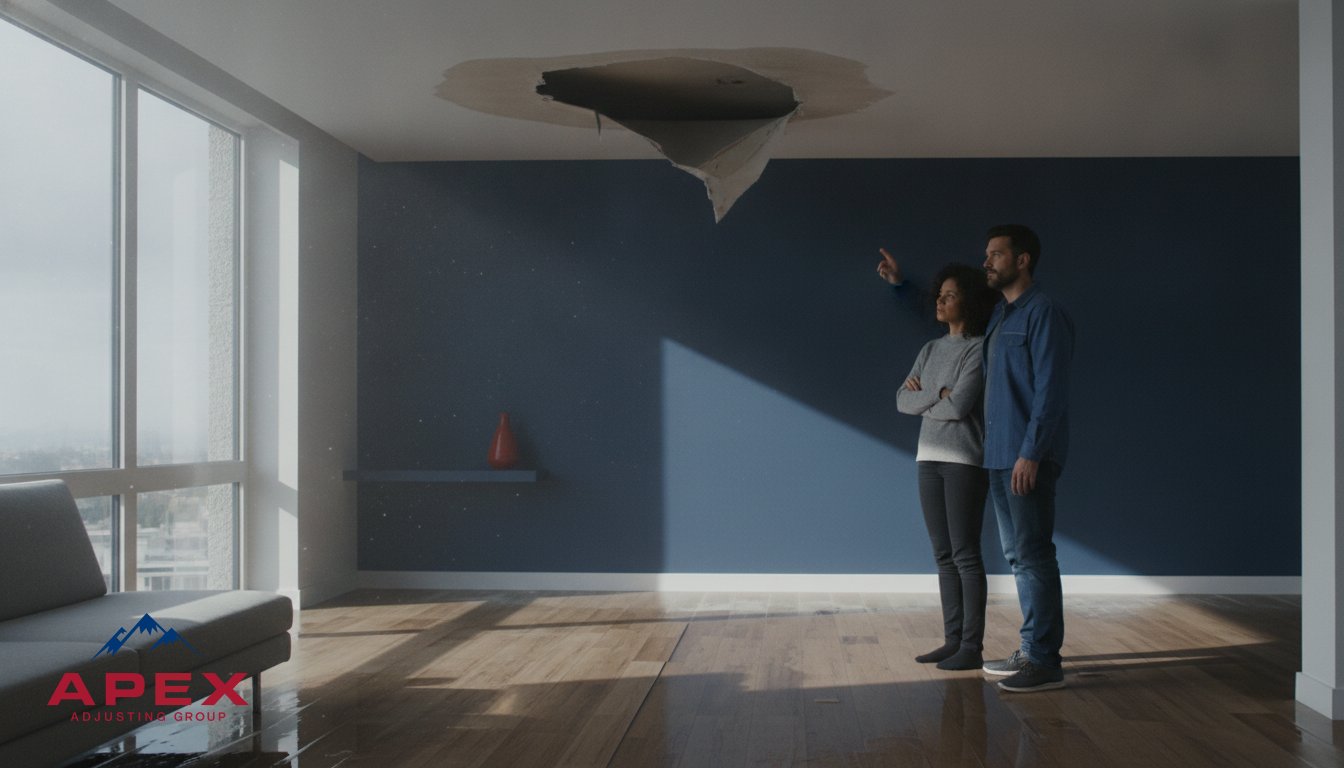
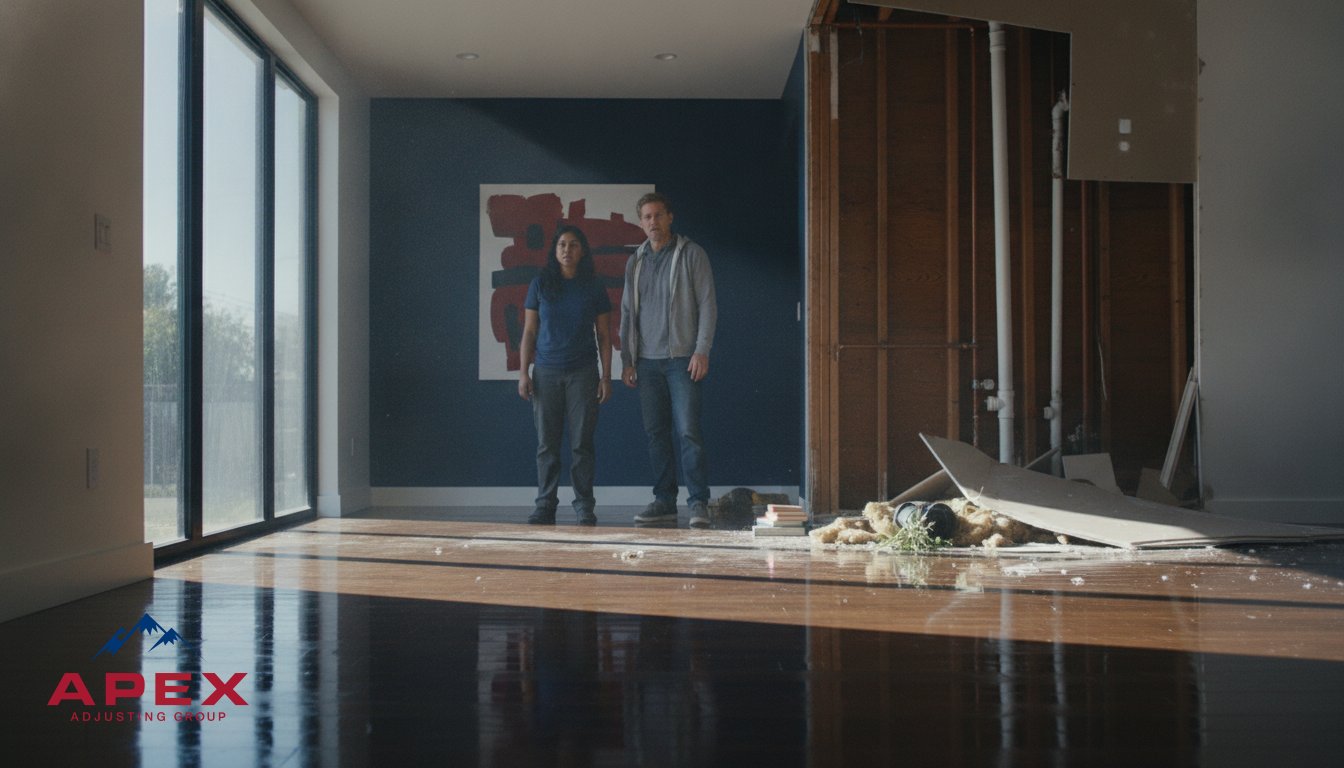
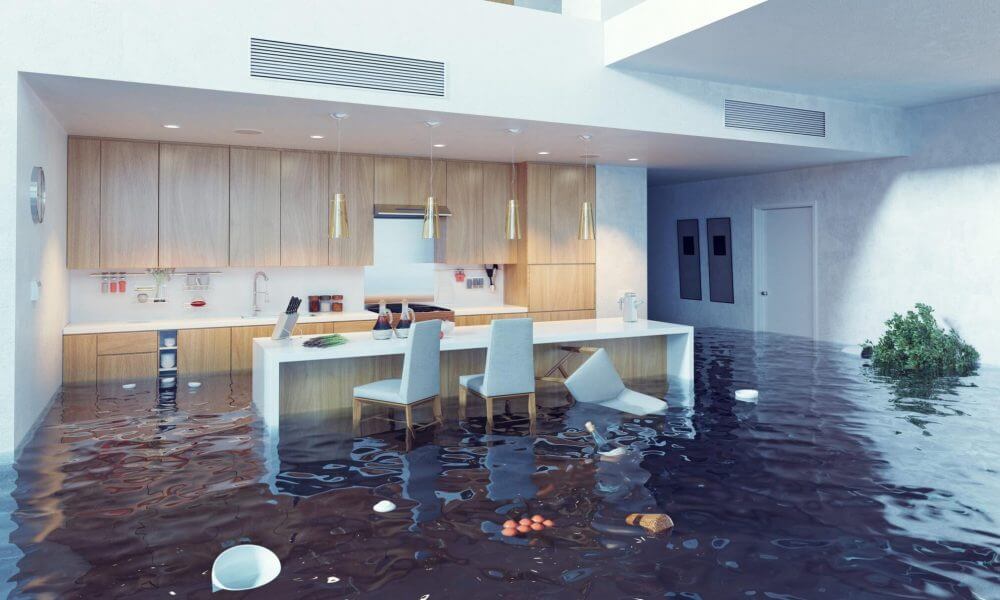
Water damage is one of the most common and potentially devastating issues property owners face. Whether caused by burst pipes, slab leaks, or appliance malfunctions, water damage requires immediate attention to satisfy your "Duties After Loss" as outlined in your insurance policy.
The key to a successful water claim lies in swift, documented action. Every minute counts; prolonged exposure can lead to secondary damage like microbial growth (mold), which many policies strictly limit or exclude if the owner fails to act quickly.
Immediate Steps to Take After Discovering Water Damage
1. Ensure Safety First
Before assessing the water damage, prioritize safety. Turn off electricity to affected areas at the circuit breaker. If water has reached outlets or the main electrical panel, contact a licensed electrician. Avoid standing water if contaminants (such as sewage) are suspected.
2. Stop the Water Source & Call the Experts
Locate and stop the flow of water immediately. This is the most critical step in mitigating your loss.
- Call a Plumber: If the source is a pipe burst or sudden failure, get a licensed plumber on-site immediately.
- Leak Detection: If the leak is hidden (behind a wall or under a slab), hire a professional leak detection company. Identifying the exact point of failure is critical for determining if coverage applies.
- Preserve the Evidence: DO NOT THROW AWAY PLUMBING PARTS. Instruct your plumber to save the failed pipe, valve, or supply line. The insurance carrier has a right to inspect the failed component. Discarding it could be viewed as "spoliation of evidence" and may jeopardize your claim.
3. Document Everything Immediately
Your documentation serves as the "burden of proof" for your claim. Before beginning cleanup:
- Take Photos and Video: Capture the "active" leak and the surrounding damage from multiple angles.
- Detailed Plumber’s Invoice: Ensure the plumber documents the exact cause of loss (e.g., "sudden pipe burst" vs. "long-term seepage"). The specific wording used in the plumber's report can determine whether your claim is paid or denied.
Critical Steps for Protecting Your Property
4. Duties After Loss: Mitigate Further Damage
Insurance policies require the policyholder to take "reasonable steps" to protect the property from further damage. This is known as mitigation.
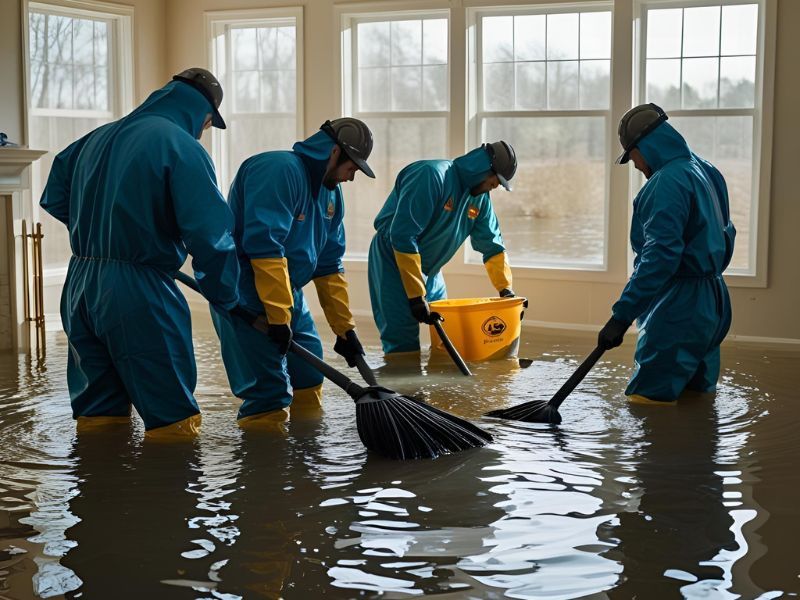
- Begin Water Removal: Use wet/dry vacuums or hire a professional restoration company to extract standing water.
- Implement Drying: Set up industrial fans and dehumidifiers immediately. If you fail to mitigate moisture and mold develops, the carrier may deny the mold portion of the claim, citing a breach of your duty to prevent secondary damage.
5. Separate Damaged Materials and Contents
Move furniture and personal belongings to dry areas. Use foil or wood blocks under furniture legs to prevent staining. Keep all damaged items on-site until the insurance adjuster has had the opportunity to physically inspect them.
Managing Your Insurance Claim Process
6. Contact Your Insurance Company
Report the water damage to your insurance company as soon as possible. Request a complete copy of your policy, including all endorsements and the "Dec Page." Inquire about Additional Living Expenses (ALE) if the home is currently uninhabitable.
7. Review Your Policy Limits and Coverage
Every policy is different. Our experts look for specific language regarding:
- Sewer Backup vs. Pipe Burst: Often subject to different limits.
- Ordinance or Law (Code Upgrades): Coverage for bringing repairs up to current building codes.
- Matching Provisions: Requirements for the carrier to replace undamaged items to ensure a uniform appearance.
8. Obtain Professional Estimates
Do not rely solely on the insurance company’s estimate. Obtain detailed, written estimates from licensed contractors that include labor, materials, and necessary permits. A professional estimate should reflect the "true cost" of restoration, not just the carrier's "preferred" pricing.
When to Consider Professional Help
Navigating a water claim can be overwhelming. Consider hiring a public adjuster at Apex Adjusting Group when:
- The insurance company claims the leak was "long-term" or "repeated seepage" to avoid payment.
- The settlement offer is insufficient to cover the actual repair costs.
- The carrier is delaying your claim or pressuring you to use their preferred vendors.
At Apex Adjusting Group, we work exclusively for you—not the insurance company. We ensure every aspect of your loss is documented and fought for.
Contact Apex Adjusting Group today for a free consultation and ensure your water damage claim is handled with professional precision.
Need Help with Your Insurance Claim?
Our licensed public adjusters can help you get the maximum settlement you deserve. Contact us today for a free claim evaluation.
Related Articles