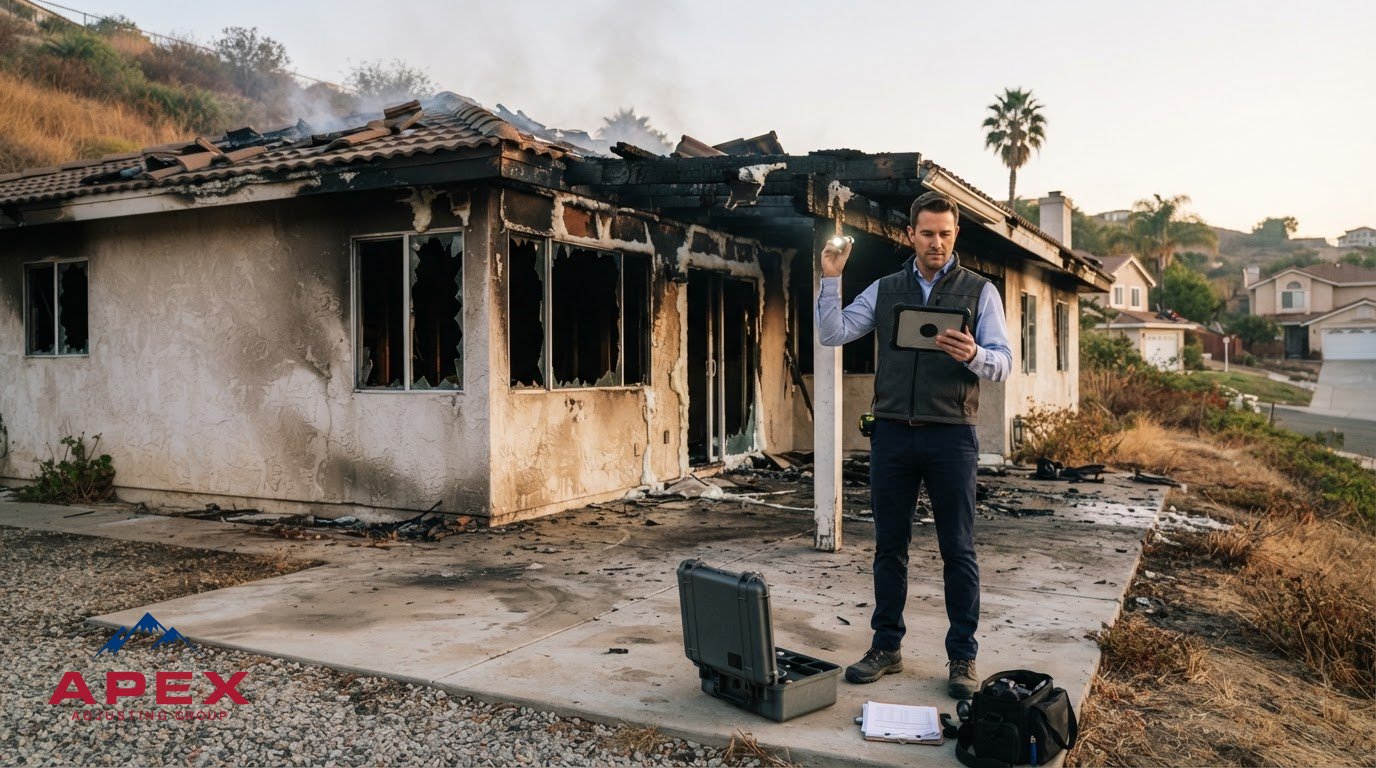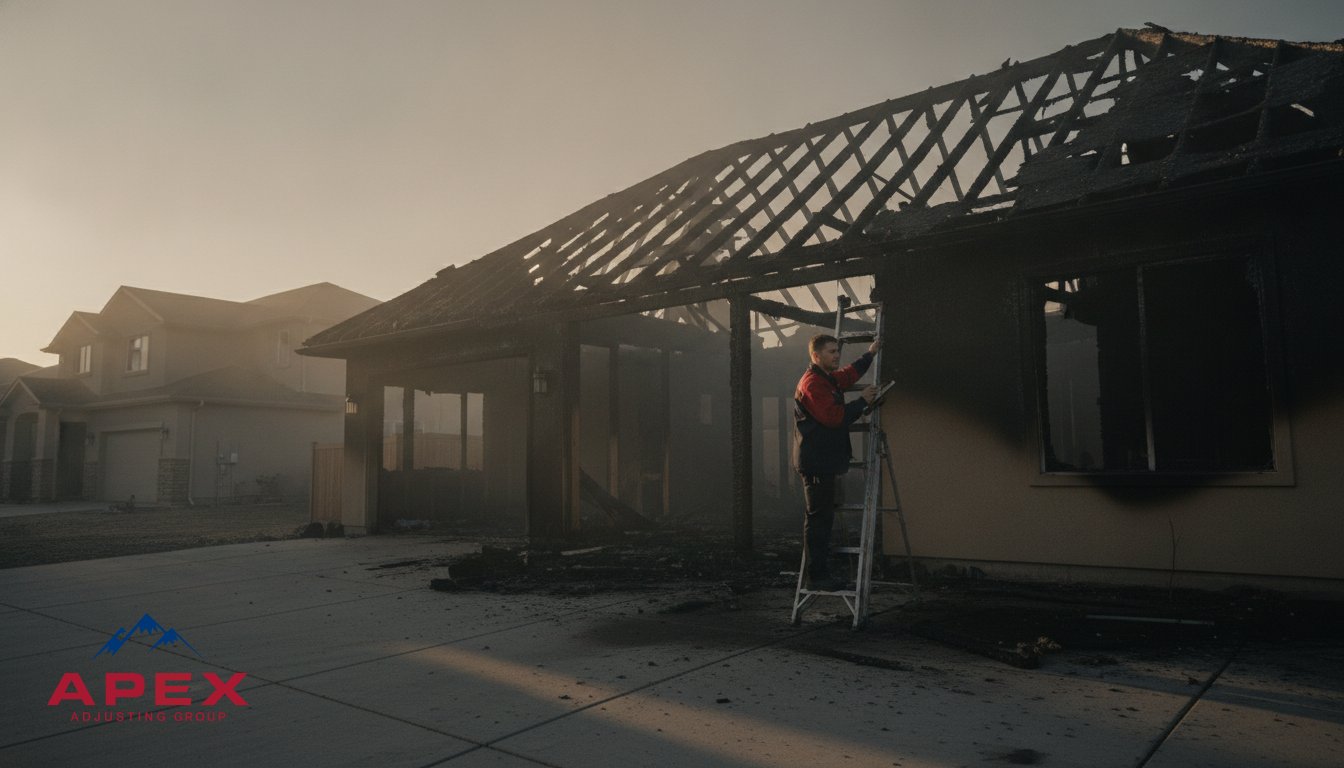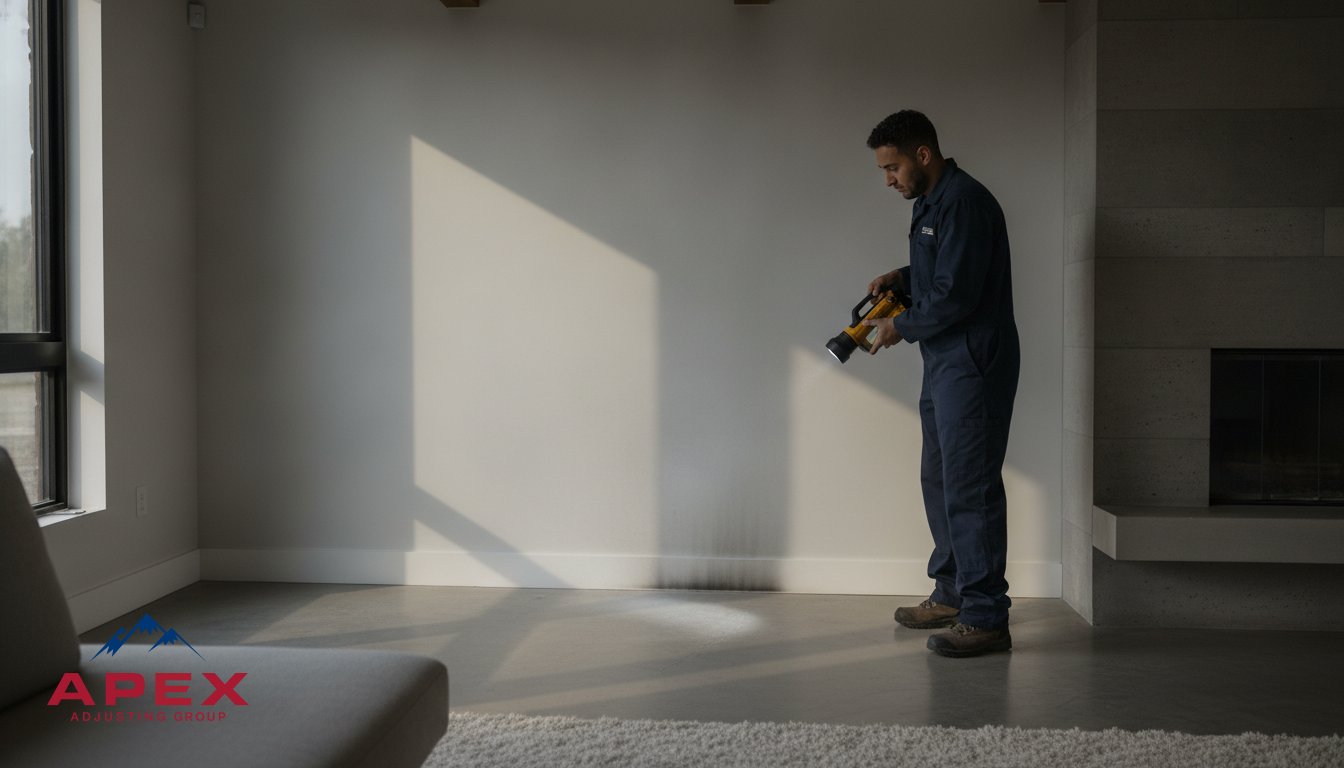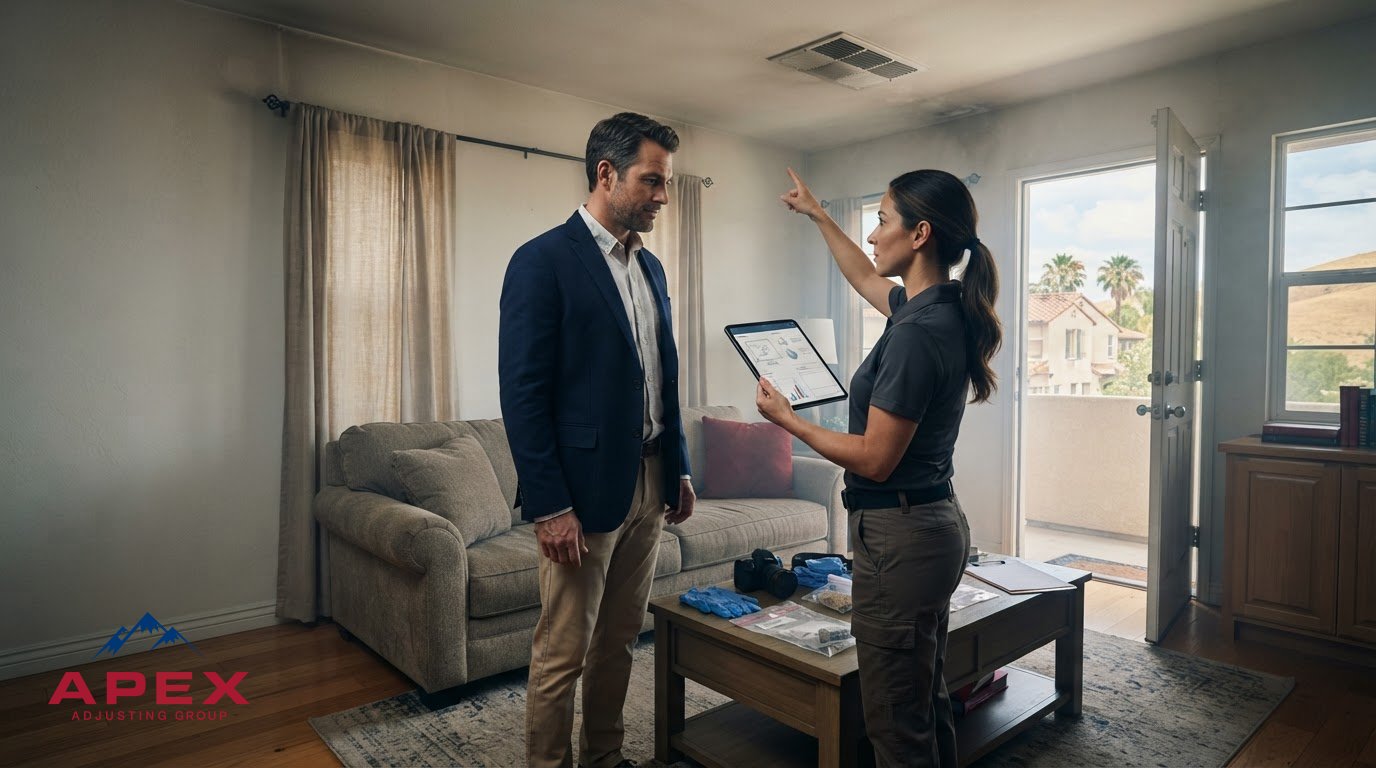
A smoke odor that remains after visible cleanup can mean residue is still affecting porous materials, contents, or the HVAC system. Odor alone does not establish coverage, but it deserves a documented review rather than dismissal. Knowing how to get insurance to pay for smoke smell removal starts with connecting the reported odor to a covered event and identifying the property that still needs attention.
Unclear policy wording, undocumented conditions, or an estimate that omits affected rooms and belongings can leave gaps in a claim file. The policy, evidence of the smoke source, and a supported removal scope all matter. Photos, itemized contents records, inspection findings, and remediation documents can show where the odor persists and what work is proposed.
This article explains how to organize the policy and claim file, document affected areas and contents, compare an estimate with the reported damage, and follow up on unresolved items. It also explains how a public adjuster can review the policy, documentation, estimate, and claim communications on the property owner’s behalf.
Key Takeaways
- Coverage depends on the policy language and evidence connecting smoke odor to covered damage, not on odor alone.
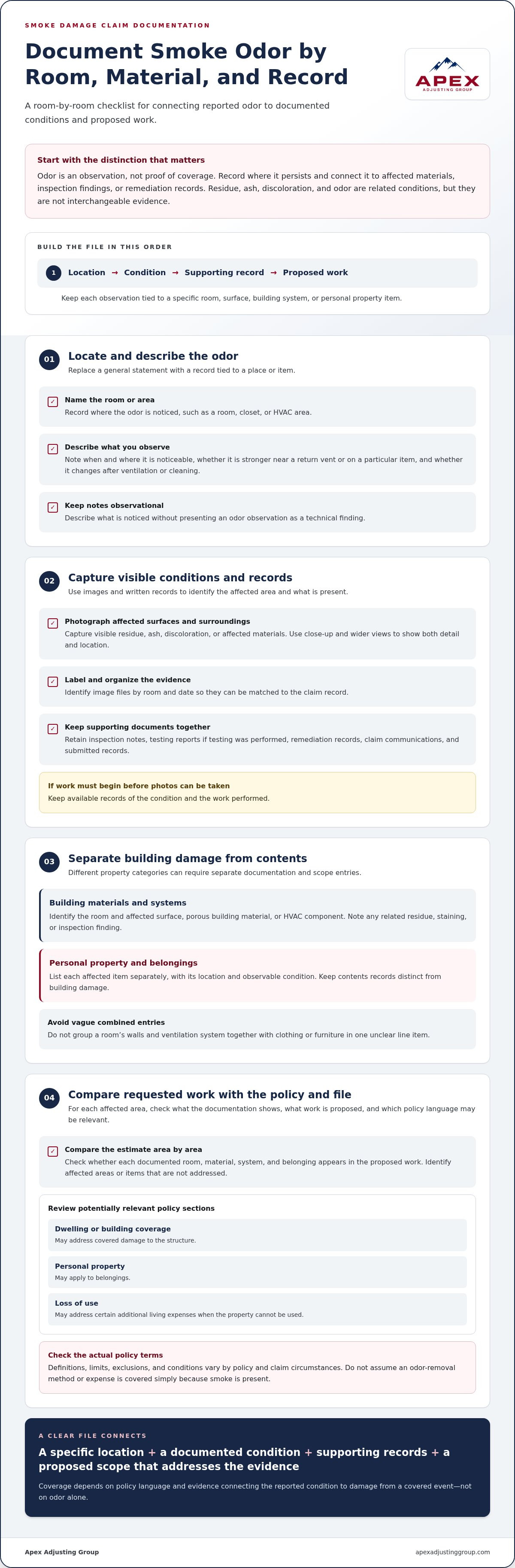
- Organize documentation by room, surface, building system, and personal property so the affected scope is clear.
- Compare each affected area with the proposed work and relevant policy section to identify estimate gaps.
- To understand how to get insurance to pay for smoke smell removal, submit a factual, itemized request supported by records and retain the claim responses.
- A public adjuster can review the policy, damage documentation, estimate, and claim communications when the file appears incomplete.
How smoke odor becomes an insurance claim
Visible cleanup can be complete while smoke odor remains in a room, closet, or HVAC system. If the initial claim scope does not identify those areas or include work to address them, the file may not explain why further removal is being requested. How to get insurance to pay for smoke smell removal starts with the policy and evidence linking the odor to damage from a covered event.
Coverage depends on the policy terms and evidence of covered damage, not on the presence of an odor alone. An odor observation is more useful when it identifies a specific location, material, or item and is supported by inspection findings or remediation records. A general overview of smoke damage describes how smoke can affect property in different ways.
Smoke odor, residue, and physical damage are related but distinct
Smoke residue is material deposited on a surface. Ash is particulate debris, and discoloration is a visible change. Persistent odor is a separate observation. These conditions can occur together, but they are not interchangeable evidence: residue may be present without obvious discoloration, while an odor report alone does not identify the affected material or establish what work is appropriate.
Smoke particles and residue may affect painted surfaces, porous building materials, HVAC components, and personal property. Record where the odor is noticed and what else is present. For example, note whether it is strongest near a return vent, on a fabric sofa, or inside a closed closet, and connect the observation to visible residue, staining, or an inspection finding. That detail is more useful than a general statement that the home smells smoky.
Keep building damage separate from contents damage. A smoke claim may involve different affected categories, so do not combine a room’s walls and ventilation system with clothing or furniture in one vague line item. The fire damage claim review can include an examination of how reported smoke damage is represented in the claim scope.
Which policy sections may apply to smoke odor removal?
Review the policy sections for dwelling or building coverage, personal property, and loss of use. Dwelling language may address covered damage to the structure; personal property language may apply to belongings; and loss-of-use language may address certain additional living expenses when the property cannot be used. The actual terms, limits, exclusions, and conditions vary by policy and claim circumstances.
Look for definitions, exclusions, and conditions related to the reported cause and type of damage. Do not assume an odor-removal method or expense is covered simply because smoke is present. Instead, connect the requested work to documented affected materials or belongings, then identify the policy wording that appears relevant. This article provides claim education, not a coverage determination or legal advice.
For an initial review, separate the file into three questions:
- What smoke-related condition is documented, and where?
- Which building materials, systems, or belongings are affected?
- What policy section may apply to each category of requested work?
This framework gives the next steps a clear foundation: the evidence should show the extent of the affected areas, and the removal scope should address those documented conditions.
Build evidence that connects the smoke odor to covered damage
A claim file is difficult to assess when it reports only that the property still smells like smoke. A stronger record identifies where the odor is noticed, which materials or belongings are affected, and how the proposed work relates to those conditions. Tie each observation to a location instead of describing the entire property in general terms.
A room-by-room record connects observations to specific materials and to the work included in the removal request. A log or spreadsheet can give each room or area its own entry, with the date, surface or item, odor observation, visible condition, and related photo or inspection record. This structure also makes it easier to compare the evidence with the proposed scope.
What to photograph and record before removal work
Photographs can show visible residue, ash, discoloration, or affected materials, along with enough surrounding detail to identify the location. Close-up and wider views serve different purposes. Label image files by room and date so they can be matched to the claim record. If necessary work must begin before photographs can be taken, retain available records of the condition and the work performed.
Written odor observations are most useful when they state when and where the odor is noticeable, whether it is stronger near a vent or on a particular item, and whether it changes after ventilation or cleaning. Keep these notes observational rather than presenting them as technical findings. List belongings separately from building materials, with each item’s location and observable condition described.
- Dated photographs of affected surfaces, materials, and surrounding areas
- Notes identifying rooms, odor locations, and changes observed
- A separate contents list describing affected belongings and their condition
- Copies of claim communications, inspection notes, and submitted records
How inspection and remediation records support the file
Written inspection findings can identify the areas inspected and describe the conditions observed. Records are clearer when they distinguish building components from personal property. If testing was performed, keep the report and any explanation of what it assessed with the claim documents. A test result or remediation provider’s statement may support the file, but neither automatically establishes coverage or determines the full removal scope.
Retain the proposed work scope, invoices, work records, and follow-up findings together. Each document is easier to assess when it identifies the relevant room, material, or item. A report that refers only to “general cleaning,” for example, may not make the locations and tasks clear. Dated versions can show how the proposed work relates to observations and findings over time.
Build a traceable record from each room observation to its supporting photo or inspection note, then to the proposed work for that area. This gives the claim file a clearer basis for assessing whether the evidence and scope align.
Compare the removal scope with the damage and policy
Compare documented conditions with the estimate line by line. Check whether the proposed work addresses each affected area, whether evidence is missing from the estimate, and which policy section may apply. A difference is a point to clarify, not proof of wrongdoing or a guarantee that additional work is covered.
Keep building materials and systems separate from personal belongings. A room’s walls, flooring, and HVAC components are building items; furniture, clothing, and other contents should be listed separately. This distinction helps show what was inspected, what work is proposed, and how the claim file categorizes each item.
| Scope category | Affected area | Supporting evidence | Proposed work and policy section to review |
|---|---|---|---|
| Building material | Bedroom wall or ceiling | Inspection note describing residue or odor; dated photos | Listed cleaning or removal; review dwelling language |
| Building system | HVAC component or duct area | Inspection findings identifying the system and condition | Listed system work; review dwelling language and applicable exclusions |
| Personal property | Upholstered furniture or clothing | Itemized contents record with location and observed condition | Listed cleaning, treatment, or replacement; review personal property language |
| Use of property | Area that cannot be used during work | Records describing the affected space and relevant period | Any requested expense; review loss-of-use language |
Check whether the proposed work addresses documented conditions
Match each location in the inspection record to a line in the estimate. If a report identifies odor or residue in a closet but the estimate addresses only the adjoining bedroom, note the difference and request a written explanation. The omission may reflect a scope decision, missing information, or a different assessment; the file should make the reason clear.
Check the type of work as well as the location. A line for surface cleaning may not explain how a separately documented HVAC component or affected personal item is addressed. Keep the clarification specific: identify the inspection finding, the estimate line or missing line, and the question that needs an answer.
Read coverage, exclusions, and limits in context
Review the policy language alongside the reported event and the property category involved. Dwelling, personal property, and additional living expenses are distinct areas of coverage, and definitions, limits, exclusions, and conditions may affect how each is considered. Coverage decisions depend on the specific policy and claim facts, so a comparison table can organize questions but cannot determine coverage.
That comparison is central to how to get insurance to pay for smoke smell removal: connect each proposed task to documented conditions, then review the policy wording relevant to that category. Keep unresolved differences factual, identify the supporting record, and request clarification instead of assuming what the difference means.
Submit a clear smoke odor removal request and track the response
A well-organized request makes it easier to see what work is being requested and why. Keep the account factual: identify the reported smoke event, affected locations or items, supporting records, and work to be considered. Avoid broad claims that go beyond the inspection findings or remediation documents.
Use this sequence to assemble and submit the request:
- Assemble the claim records. Gather relevant policy pages, dated photographs, inspection findings, affected-item lists, proposed work, invoices, and earlier claim communications. Keep a copy of everything already submitted.
- Describe affected areas clearly. Identify each room, building component, system, or personal belonging separately. State where odor is observed and refer to the document or finding that supports each description.
- Submit the itemized support. Connect each requested task to its location and evidence. Separate building work from contents work, and explain any difference between the requested scope and the estimate already on file.
- Retain the response and follow-up. Save submission confirmations, requests for information, written explanations, decisions, and revised estimates. Update the file when new findings or work records become available.
Prepare a written, itemized claim submission
Summarize the reported event and resulting conditions without overstating what the evidence shows. Attach records in a clear order, with filenames or labels that identify the room, item, and date. For each requested task, state the condition it addresses and point to the supporting photograph, inspection finding, or remediation record.
Consistency matters. If an inspection refers to a particular room or material, use the same description in the written request and supporting list. Consistent labels reduce confusion during claim review and help distinguish documented work from a general request to remove odor throughout the property.
Respond to an incomplete or disputed scope
Compare the written response with the submitted evidence and relevant policy wording. If a documented area is not addressed, identify the exact finding and request clarification in writing. If additional records are requested, provide the responsive documents and keep a dated copy of the submission.
Track each open point, including information requests, estimate revisions, decisions, and scope items that remain unresolved. Keep correspondence and every estimate version together so changes are easy to follow. A clear record helps explain how the request developed without treating a disagreement as proof of improper handling.
Understanding how to get insurance to pay for smoke smell removal means presenting a request that can be traced from a documented condition to proposed work, then recording how the claim is addressed. If the file appears incomplete or the remaining scope is difficult to assess, Apex Adjusting Group can review the policy, documentation, estimate, and claim communications through a free claim review.
When an independent public adjuster review may help
A smoke odor claim can be difficult to assess when the estimate omits areas documented in an inspection, odor persists without a defined remediation scope, or the written response leaves questions unanswered. An independent file review can identify what the records support and where the policy language, damage documentation, estimate, and claim communications need closer comparison.
A public adjuster represents the property owner in a first-party property damage claim, not the insurance company. The review focuses on what the policy says, which areas or belongings are documented as affected, what work appears in the estimate, and how the claim response addresses those items. It can help clarify gaps and organize unresolved questions, but it cannot guarantee coverage or a particular outcome.
Signs an independent claim review may be useful
Consider an independent review if the estimate does not address smoke-affected areas or belongings described in the evidence, or if odor remains but the file lacks a clear inspection or remediation scope. A review may also help when the response does not explain how particular findings, policy language, or proposed work were considered.
Identify the specific points of concern rather than treating a difference as proof of wrongdoing. For example, note the room described in an inspection report, the estimate line that appears to address it, and the question that remains. This gives a reviewer concrete material to assess against the policy and supporting records.
What an independent file review can clarify
Apex Adjusting Group can review the policy, damage documentation, estimates, and claim status as the property owner’s representative. The review may help identify whether the scope reflects documented conditions, whether building items and personal belongings are clearly separated, and what questions remain in the claim communications. For background on the claim process, the fire damage insurance claim guidance and related fire damage claim services address fire-related property claims.
Apex represents property owners in fire and smoke claims and is licensed in California, Arizona, Washington, Idaho, Colorado, Texas, and Nevada. Its local relevance includes Southern California, Orange County, Los Angeles, San Jose, San Francisco, Oakland, Sacramento, Phoenix, Tucson, Spokane, Seattle, Las Vegas, Reno, and Idaho. A review can help organize the claim issues and clarify what the documentation and estimate show. Coverage and payment still depend on the policy and claim facts.
When a claim file appears incomplete or the remaining scope is unclear, an independent review can provide another perspective on the records and the questions that remain.
Move the claim toward a clear next step
An unresolved smoke odor issue does not have to remain a vague concern in the claim file. Before taking the next step, identify the specific question that needs an answer: whether a documented area was considered, how a proposed task relates to the observed condition, or which policy language applies to the item. A focused question keeps the discussion tied to evidence rather than broad disagreement.
Understanding how to get insurance to pay for smoke smell removal means keeping the request grounded in the property’s documented conditions and the coverage being considered. If the file still leaves uncertainty about the estimate or response, an independent review may help clarify what the records show and what questions remain. The property owner can then decide how to proceed with a clearer view of the claim.
A careful review can make the next decision more manageable. Keep the record organized, raise the remaining questions clearly, and use a free claim review to discuss the file with Apex Adjusting Group.
Frequently Asked Questions
Will homeowners insurance pay for smoke smell removal?
It may. How to get insurance to pay for smoke smell removal depends on the policy, the cause of the smoke, and evidence connecting the odor to affected property. A dated inspection that identifies conditions in a particular room gives the claim file more detail than a general report of a smoky smell. Review relevant coverage, exclusions, and limits. Odor alone does not guarantee payment.
Can insurance cover smoke odor if flames never reached my home?
It may, because smoke can reach property beyond the area where flames occurred. Distance from a fire neither establishes nor rules out coverage. The claim file should identify the reported event and describe which rooms or belongings show smoke-related conditions. For instance, document residue or odor in an upstairs room separately from conditions near an entry point, then retain records that support the connection to the event.
What evidence should I submit for smoke odor removal?
Submit evidence that lets a reviewer follow each affected area from observation to requested work. Label photo files by room and date, and keep a simple index linking them to inspection findings or estimate items. Include contents records, remediation documents, and claim correspondence when available. Preserve original files and note who prepared each report so a reviewer can distinguish personal observations from professional findings.
Does insurance pay for smoke odor removal from clothing and furniture?
A policy may treat personal belongings separately from the dwelling, so review the personal property wording and any applicable limits or exclusions. List clothing, furniture, and other contents as individual items rather than combining them into a general “contents” entry. Where available, add photographs, condition notes, and purchase or cleaning records. This helps identify which belongings are part of the request and what documentation supports each one.
What happens if the insurance estimate does not include smoke odor removal?
Compare the estimate’s date and line descriptions with the inspection records and submitted scope. Make a short discrepancy list showing the affected location or item, the supporting document, and what remains unclear. Send that list with a written request for clarification, then save the response and any revised estimate. A missing or different line item calls for an explanation; by itself, it does not prove improper conduct.
Can I hire a smoke remediation company before the claim is settled?
Work may sometimes need to proceed before a claim decision, but timing and records matter. Before work begins, preserve available records of the condition and the written proposed scope, then keep invoices and completion documents. Review policy conditions and claim communications for relevant instructions. If urgent work is needed to protect the property, document the condition and actions taken as clearly as circumstances allow. This is general guidance, not a coverage decision.
When should I ask a public adjuster to review a smoke damage claim?
Consider an independent review when an estimate leaves documented conditions unaddressed or a claim response does not explain a material scope difference. A public adjuster represents the property owner and can assess the file’s policy wording, estimates, and communications. This may help property owners with smoke claims in Los Angeles, Orange County, Oakland, Sacramento, San Francisco, San Jose, Southern California, Phoenix, Tucson, Spokane, Seattle, Las Vegas, Reno, or Idaho identify unresolved questions.
Need Help with Your Insurance Claim?
Our licensed public adjusters can help you get the maximum settlement you deserve. Contact us today for a free claim evaluation.
Related Articles