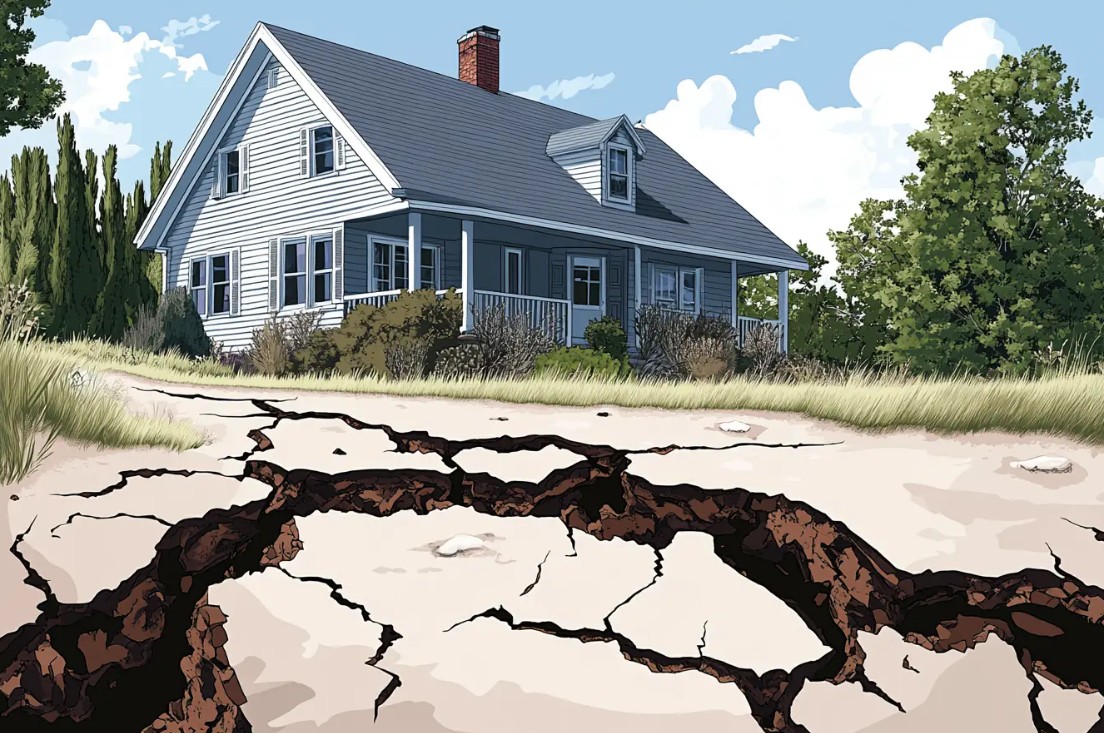
What is the California Earthquake Authority (CEA)?
The California Earthquake Authority is a publicly managed, privately funded organization that provides earthquake insurance to California homeowners, renters, and condo owners. Created in 1996 after the Northridge earthquake, CEA is the largest provider of residential earthquake insurance in the United States.
Unlike standard homeowner's insurance, earthquake coverage must be purchased separately - and CEA policies have unique features that every California homeowner should understand.
CEA Policy Basics
Three Coverage Components:
- Dwelling Coverage
- Covers structural damage to your home
- Maximum coverage: $3 million (or your home's value)
- Subject to your chosen deductible (5%, 10%, 15%, 20%, or 25%)
- Personal Property Coverage
- Covers furniture, electronics, clothing, etc.
- Coverage options: $5,000 to $200,000
- Separate deductible applies
- Loss of Use Coverage
- Covers temporary housing if your home is uninhabitable
- Coverage options: $1,500 to $100,000
- No deductible applies
Understanding CEA Deductibles
CEA deductibles work differently than standard insurance. They're a percentage of your dwelling coverage, not a fixed dollar amount.
Example: $1 Million Home
| Deductible % | Out-of-Pocket Amount | Annual Premium Range |
|---|---|---|
| 5% | $50,000 | $3,500 - $5,500 |
| 10% | $100,000 | $2,200 - $3,800 |
| 15% | $150,000 | $1,600 - $2,800 |
| 25% | $250,000 | $1,100 - $1,900 |
Key insight: You need significant damage before CEA coverage pays anything. A $75,000 foundation repair on a home with a 15% deductible ($150,000) would receive zero payout.
What CEA Covers - and What It Doesn't
Covered:
- Structural damage to dwelling
- Foundation damage
- Chimney damage
- Attached garage
- Interior damage (drywall, flooring, etc.)
- Personal property (if coverage purchased)
- Temporary living expenses (if coverage purchased)
NOT Covered:
- Swimming pools and hot tubs
- Patios, decks, and porches
- Detached structures (sheds, guest houses)
- Fences and retaining walls
- Driveways and walkways
- Landscaping
- Vehicles
- External masonry veneer (brick/stone facades)
- Pre-existing damage
CEA Policy Options
Homeowners Choice
The standard CEA policy with customizable deductibles and coverage limits. Best for most homeowners.
CEA Homeowners Choice with Home Retrofit Discount
If your home has been seismically retrofitted through an approved program, you may qualify for a premium discount of up to 25%.
CEA Mini Policy
A lower-cost option with higher deductibles and limited coverage. Provides basic protection at reduced premiums.
How CEA Claims Work
Step 1: Report Damage
Contact your insurance company (the one that sold you the CEA policy) within a reasonable time after an earthquake. They'll initiate the claim with CEA.
Step 2: Inspection
A CEA-assigned adjuster will inspect your property. This is critical - the adjuster's assessment determines your payout.
Step 3: Estimate and Offer
CEA will provide an estimate of covered damage. Remember: you must exceed your deductible before receiving any payment.
Step 4: Payment
If your damage exceeds the deductible, CEA pays the difference (up to your coverage limits).
Common CEA Claim Disputes
1. Deductible Calculations
Insurers sometimes incorrectly calculate damage amounts, causing claims to fall below deductibles when they shouldn't.
2. Pre-Existing vs. Earthquake Damage
CEA may argue that damage existed before the earthquake. Proper documentation is essential.
3. Undervalued Estimates
CEA's contractors often use estimates below actual repair costs, especially in high-cost areas like Silicon Valley.
4. Coverage Disputes
What's covered vs. excluded can be complicated. For example, is a cracked foundation earthquake damage or settlement?
Maximizing Your CEA Earthquake Claim
- Document pre-earthquake condition: Take photos/videos of your home regularly so you can prove damage is earthquake-related
- Report all damage: Even small cracks can indicate larger structural issues
- Get independent estimates: Don't rely solely on CEA's contractor estimates
- Hire a structural engineer: For foundation and structural damage, professional assessment is critical
- Consider a public adjuster: We specialize in navigating CEA claims and maximizing settlements
CEA vs. Private Earthquake Insurance
While CEA is the most common option, private earthquake insurers (GeoVera, Arrowhead, Palomar) may offer:
- Lower deductibles
- Broader coverage
- Different pricing structures
It's worth comparing options before purchasing or renewing earthquake coverage.
Get Help With Your CEA Claim
Navigating a CEA earthquake claim requires specialized expertise. At Apex Adjusting Group, we've helped California homeowners recover hundreds of thousands of dollars above initial CEA offers.
Call (408) 669-3383 for a free consultation.
Need Help with Your Insurance Claim?
Our licensed public adjusters can help you get the maximum settlement you deserve. Contact us today for a free claim evaluation.
Related Articles