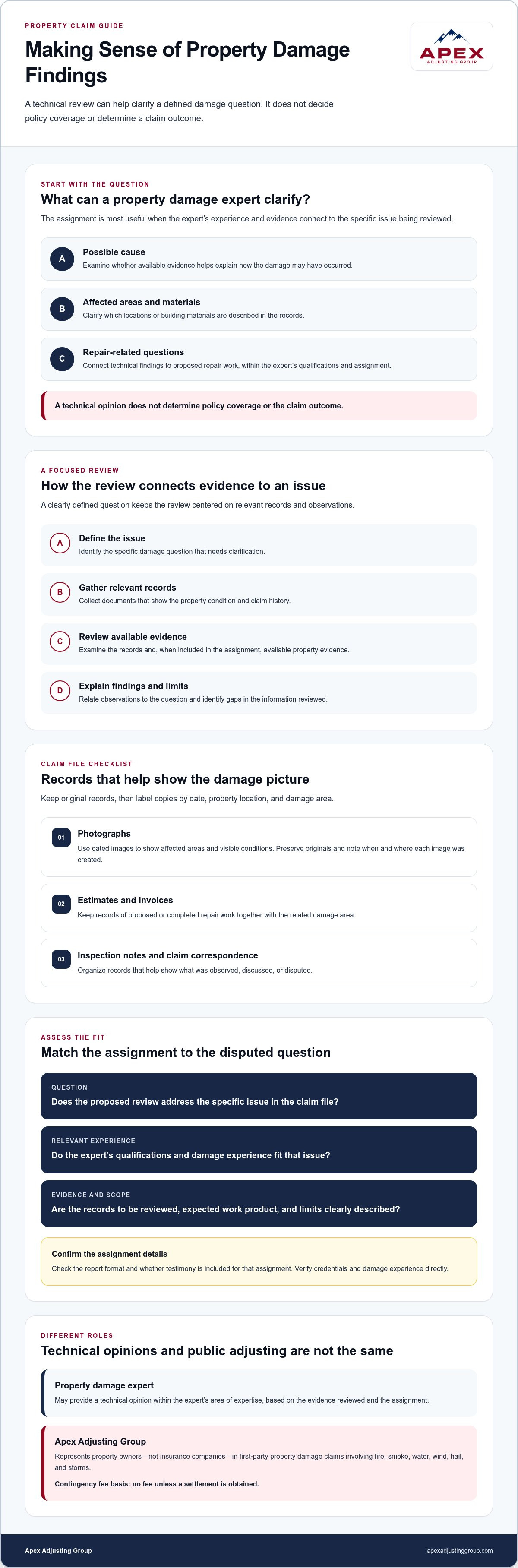
A detailed damage report can still leave an important claim question unanswered. Property damage expert testimony is most useful when the expert’s field and analysis address a specific issue, such as how damage occurred, which areas were affected, or what repair work the findings support. Technical detail alone doesn’t resolve every claim question.
Property owners may expect an expert to explain what happened and what it takes to repair the damage. An expert’s opinion has limits, though: it may clarify technical issues without deciding what a policy covers or determining the claim outcome. The right fit depends on whether the expert’s experience, methods, and evidence connect to the issue in dispute.
This article explains what an expert may contribute, how to assess relevant qualifications and damage experience, and what to gather before discussing a claim. It also offers practical questions about inspection findings, photographs, estimates, and policy provisions, so property owners can assess whether testimony addresses their actual concern.
Key Takeaways
- Property damage expert testimony may clarify a defined technical issue, but it doesn’t decide what a policy covers or determine a claim outcome.
- Assess an expert’s fit by matching the disputed question with relevant experience, the evidence reviewed, and the proposed scope.
- Organize dated photographs, estimates, invoices, and claim correspondence. Note when and where each record was created.
- Verify an expert’s credentials and damage experience directly, and confirm that the proposed review addresses the issue in dispute.
- Understand the difference between expert witness services and public adjusting, and consider a separate claim review if you have a property claim concern.
What Property Damage Expert Testimony Can Explain in an Insurance Claim
Damage findings can be technical and still leave a claim dispute unresolved. A report may describe affected materials, while the claim file remains unclear about the cause or extent of damage, or how the findings relate to proposed repairs. Property damage expert testimony may help explain a defined technical issue, but its value depends on whether the expert’s experience and evidence fit the question.
An expert witness is a qualified professional who offers an opinion within an area of expertise. The expert witness overview provides general background on this role. For a property claim, the key is not simply finding someone with property damage experience. The assignment should identify the specific issue, and the opinion should be grounded in evidence from the property and claim file.
What questions can a property damage expert address?
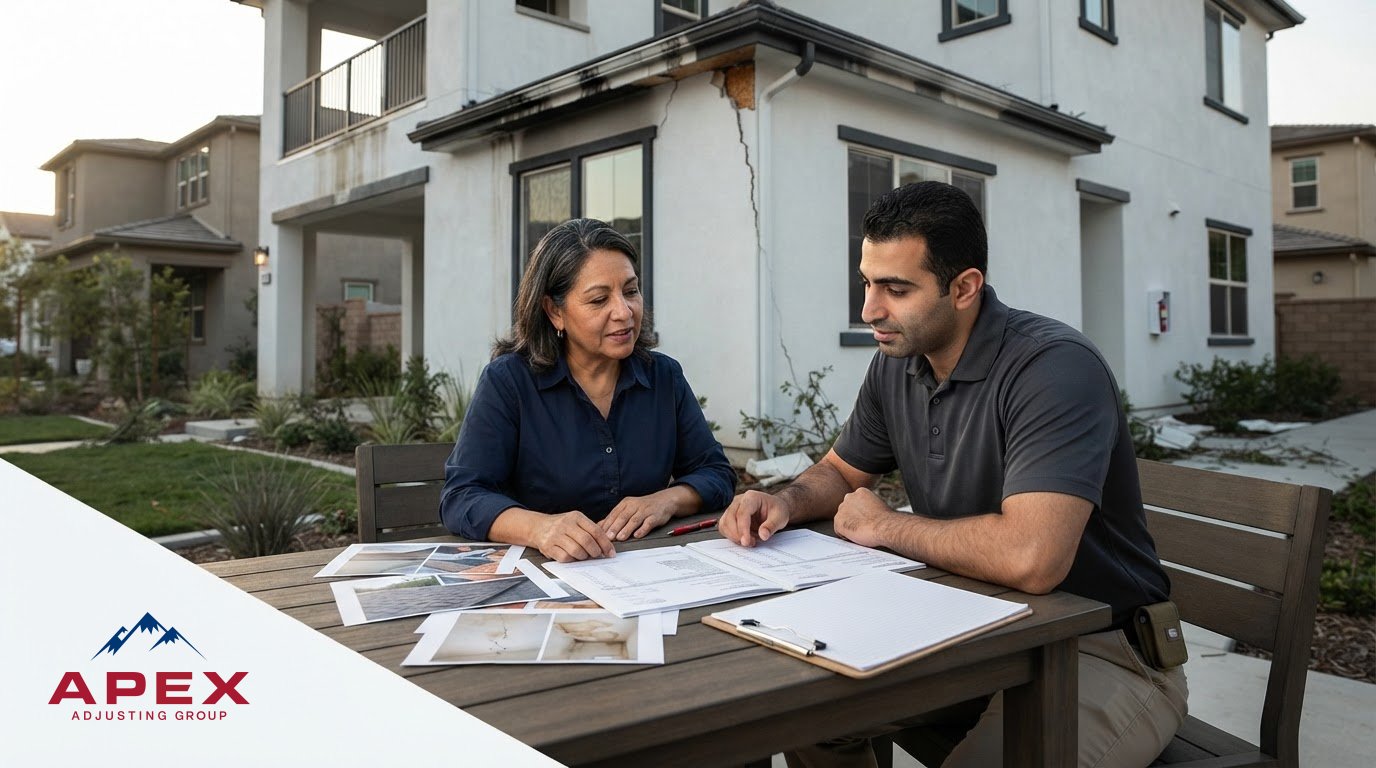
Depending on the expert’s qualifications and assignment, an opinion may address observed damage, its possible cause, the areas or materials affected, or repair-related questions. For example, if a claim file disputes whether a documented ceiling stain is related to a reported water event, an expert may examine relevant photographs, inspection records, and other available evidence. The conclusion should stay within the expert’s expertise and reflect the information reviewed.
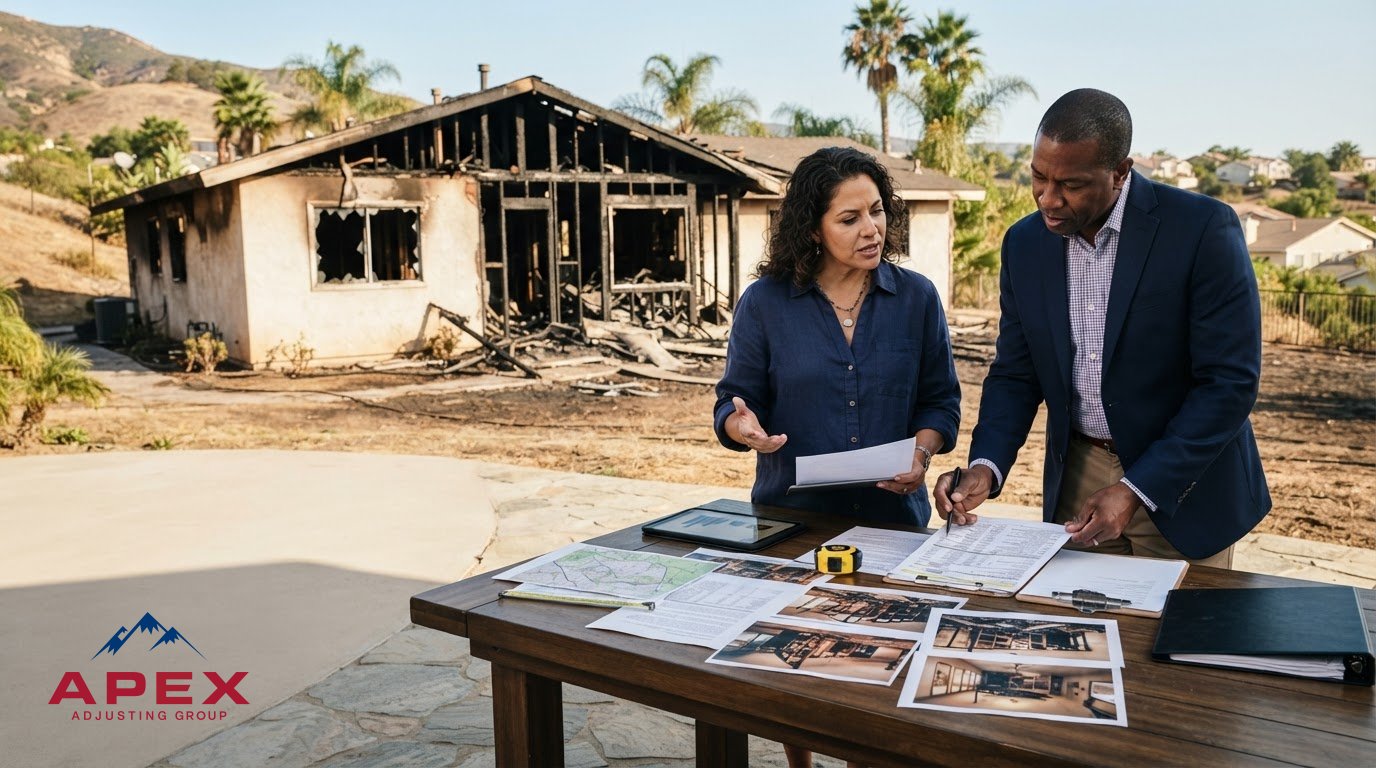
Connect each question to a documented issue. A property owner with a fire claim, for instance, may need clarification about recorded fire or smoke damage and the repair work tied to it. Identify the specific area and supporting records in the file. An expert’s role is not automatically to address every aspect of the loss. Apex’s fire damage claim services relate to property owners with fire claims, but the appropriate scope of any expert assignment depends on the matter.
Technical testimony may inform a claim dispute. It doesn’t, by itself, determine policy coverage, compel a claim decision, or guarantee a settlement.
How testimony differs from a damage estimate
A damage estimate generally sets out proposed repair work and associated costs. An expert opinion addresses a defined technical question using the expert’s knowledge and the evidence reviewed. Those roles may overlap, depending on the assignment, but an estimate alone doesn’t establish that every underlying assumption or conclusion has been independently examined.
The assignment determines what the expert reviews, which questions the work addresses, and what conclusions are appropriate. Before proceeding, clarify the issue to be examined and the expected work product. Confirm the report format and whether testimony is included for the specific assignment rather than assuming either is part of the work.
How Property Damage Experts Examine Evidence and Form Opinions
A technical opinion is only as useful as the question it addresses and the evidence behind it. A focused review keeps observations tied to the disagreement, rather than allowing unrelated details to blur the issue.
A property damage expert may follow a practical sequence. Each step helps keep the review connected to the issue under consideration:
- Define the question. Identify the specific damage issue that needs clarification.
- Assemble relevant records. Gather materials that document the property’s condition and claim history.
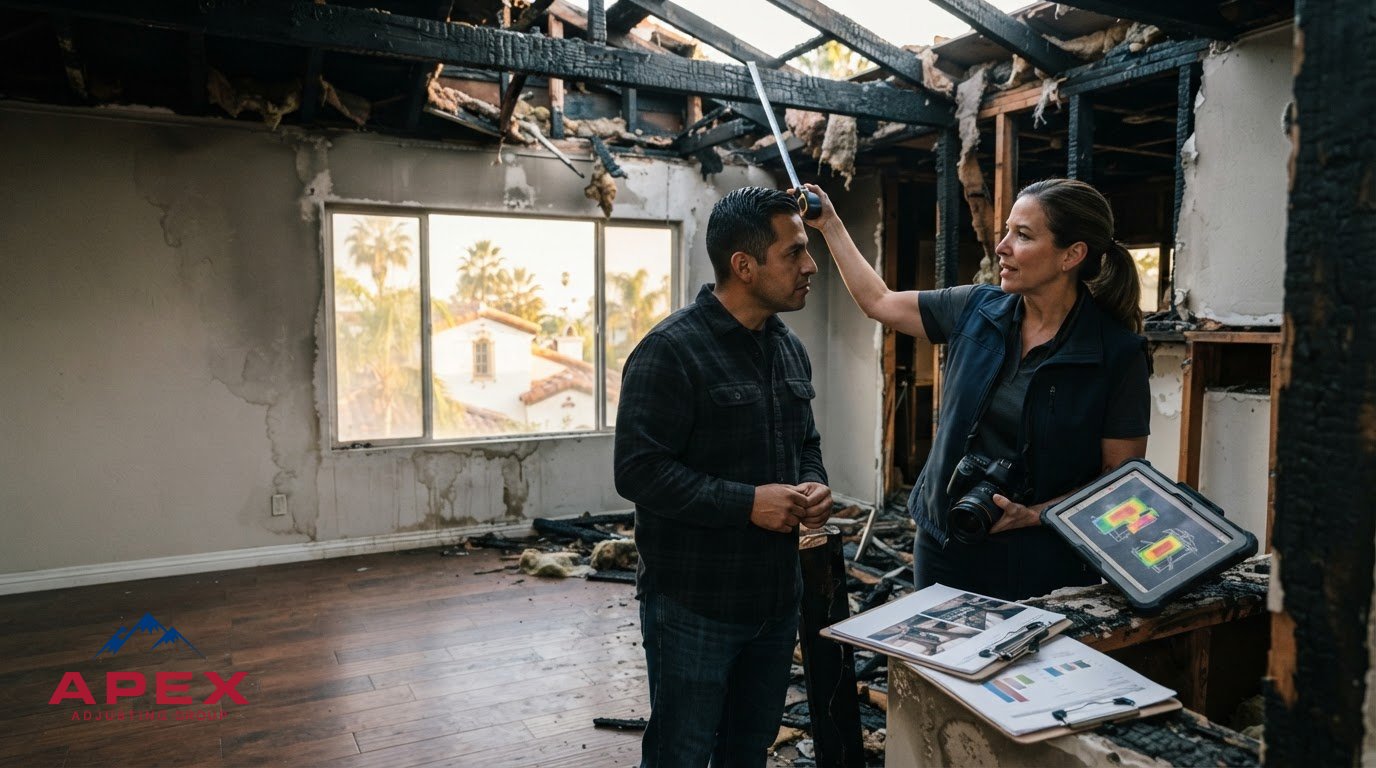
- Review available evidence. Examine the records and, if included in the assignment, inspect available property evidence.
- Explain the findings. Connect observations to the question and identify gaps or limits in the information reviewed.
A clearly framed question keeps an expert review focused on evidence that matters to the disputed issue. It also gives the property owner a practical way to assess whether the proposed review addresses the concern.
What records help establish the damage picture?
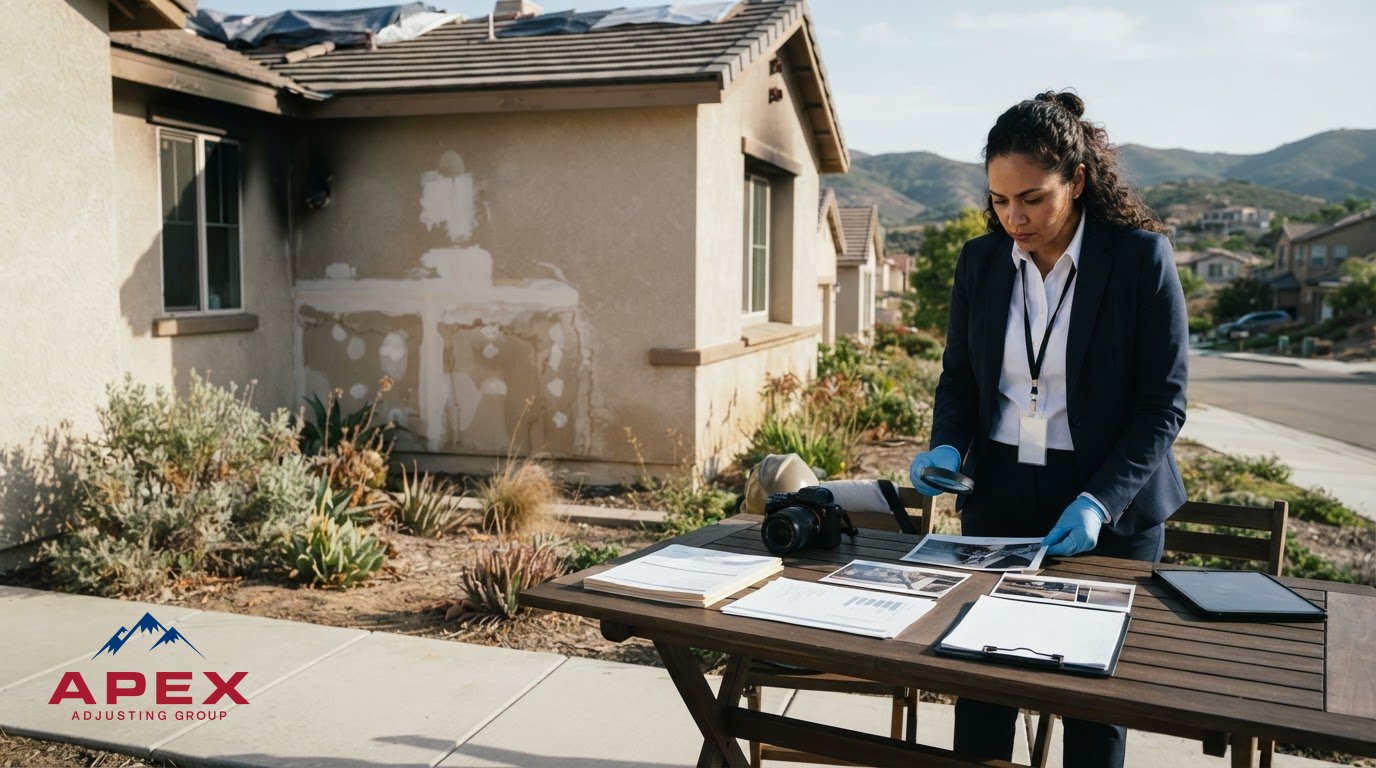
Organize the claim file before review. Dated photographs can show affected areas and visible conditions. Estimates and invoices can document proposed or completed repair work.
Inspection notes and claim correspondence may help establish what was observed, discussed, or disputed. Preserve original photographs and documents, then label copies by date, property location, and damage area.
Clear labels help distinguish an image taken before repairs from a later image of the same area. If a date or location is unknown, mark it as unknown rather than guessing.
How findings should connect to the disputed issue
An expert’s observations should lead back to the question under review. If the issue concerns the extent of damage in a particular area, the review should explain which records or observed conditions support that discussion.
The expert should distinguish direct observations from assumptions, missing records, or information that couldn’t be verified. Technical findings and policy interpretation are different tasks: an expert may address property conditions within the assignment, but doesn’t determine what a policy provision means or whether a loss is covered.
For federal proceedings, Rule 702 of the Federal Rules of Evidence addresses expert testimony. Requirements depend on the matter and jurisdiction, so the rule is not a substitute for advice about a specific proceeding.
For property damage expert testimony, confirm which question the assignment covers, what evidence the expert reviewed, and what information remains unavailable. If you have a separate concern about an active or recent first-party claim, you can discuss the available records through a free claim review.
How to Evaluate an Expert Witness for a Property Damage Dispute
A long résumé doesn’t prove an expert is right for a particular claim issue. Match the person’s relevant experience and proposed work to the question in dispute, then verify credentials and experience directly. Property damage expert testimony can clarify a technical issue, but an expert’s involvement doesn’t ensure agreement, a claim decision, or a particular outcome.
Use this comparison to focus the discussion:
| Disputed question | Relevant expertise | Evidence reviewed | Proposed scope |
|---|---|---|---|
| What specific damage issue needs clarification? | What experience relates directly to that issue? | Which photographs, estimates, invoices, or other records will be considered? | What question will the expert address, and what is outside the assignment? |
Ask what materials are needed and how the proposed review connects to the documented dispute. Confirm which credentials and experience relate to the specific property issue. Also confirm the engagement terms and fees for expert witness services directly. Public adjusting may have separate fee terms, so don’t assume those terms apply to a formal expert assignment.
Requirements for expert testimony can vary by jurisdiction and proceeding. The Cornell Legal Information Institute’s overview of the Daubert Standard describes one framework for assessing expert evidence. It’s background information, not a substitute for guidance about a specific matter.
Expert witness, public adjuster, or appraiser?
These roles aren’t interchangeable. A public adjuster represents the policyholder in preparing and presenting a first-party property claim. Expert witness services focus on technical opinions within an agreed assignment. Appraisal is a separate dispute-resolution process with its own purpose and terms.
Before choosing a path, identify what needs to be addressed: claim preparation and presentation, a technical opinion, or consideration of appraisal. Because appraisal differs from expert testimony, confirm the process and scope relevant to the claim before proceeding.
How to Prepare Property Damage Records for Expert Review
A useful review starts with a clear record of the property’s condition, the work that took place, and how the claim developed. The file doesn’t need to be perfectly polished. It should distinguish original records from later notes and identify gaps rather than fill them with guesses.
Photograph damage clearly and consistently
Organize images by date and area. Start with wide views that show the affected room or exterior area in context, then add closer images of visible damage. Label each image with the date it was taken and the location, such as “north bedroom ceiling.” If the date or exact location isn’t known, say so.
Keep original image files where possible. Avoid edits that could obscure the original condition, and retain any separate annotated copies as clearly marked copies. For fire, smoke, water, or earthquake damage, group images by affected area and note what each image shows without adding conclusions about cause or repair needs.
Organize estimates, inspections, and claim communications
Build the file in three groups so a reviewer can follow the damage and claim history without confusing observations with conclusions.
- Property condition: Dated photographs, inspection notes, and other records showing affected areas or visible conditions. Note where each record was created and what area it shows.
- Repair activity: Estimates, invoices, and available records describing work performed or proposed. Identify the affected area and date associated with each document.
- Claim communications: Relevant correspondence and claim documents, organized by date. Keep the original documents and note which damage area or issue each one concerns.
If records appear to differ, flag the difference as a question for review. For example, note that an estimate describes a ceiling area differently from an inspection note, then identify both documents. Don’t label the difference an error or supply an explanation the records don’t establish.
Identify missing records honestly. You can add a note stating that a photograph, invoice, or date isn’t available, but shouldn’t recreate a document or present a later recollection as a contemporaneous record. This keeps the file clear about what is documented and what remains uncertain.
Before sharing records for property damage expert testimony, check that file names or labels make the date, location, and damage area easy to identify. That preparation can help the reviewer connect each record to the issue under consideration.
Apex Property Damage Expert Witness Services and Claim Review
A property damage dispute may involve a technical question that needs focused review. Apex Adjusting Group provides expert witness services for property damage and insurance claim matters. The appropriate scope depends on the assignment, so clarify which issue needs review rather than assuming every claim requires expert testimony or fits the same service.
Apex also represents property owners, not insurance companies, in first-party property damage claims. Its public adjusting work and expert witness services have distinct roles. Public adjusting involves representing a policyholder in preparing and presenting a claim; expert witness work focuses on technical opinions within an agreed assignment. The fee arrangements are distinct, too. Don’t assume the contingency fee for adjusting applies to formal expert witness services. Confirm expert witness engagement terms directly.
Apex operates in California, Arizona, Washington, Idaho, Colorado, Texas, and Nevada. Its local relevance includes Southern California, Orange County, Los Angeles, San Jose, San Francisco, Oakland, Sacramento, Phoenix, Tucson, Seattle, Spokane, Idaho, Las Vegas, and Reno. Service availability and fit depend on the property owner’s location and the matter being discussed.
When to discuss an expert witness assignment with Apex
A conversation may make sense when a documented property damage issue remains unclear and needs focused technical review. To make the discussion concrete, summarize:
- The type and location of the damage.
- The current claim status, such as whether the claim is active or recently resolved.
- The specific unresolved technical question.
- Available records, such as photographs, estimates, inspection notes, invoices, or claim correspondence.
This information can help clarify whether an expert witness assignment may be relevant and what additional details need discussion. It doesn’t establish that a particular service is appropriate or that an expert opinion would change the claim outcome.
What to expect from a free claim review
A free claim review is an opportunity for eligible property owners to discuss a claim concern and available documentation. It is separate from a formal expert witness assignment and doesn’t promise acceptance, recovery, a settlement value, or a particular timeline. If an expert assignment is being considered, ask about its scope and fees directly.
For an active or recent claim concern, a free claim review is a no-pressure way to discuss available records and possible next steps.
Use a Clear Claim Question to Choose Your Next Step
Property damage expert testimony is most useful when it addresses a defined technical question with relevant expertise and documented evidence. Before discussing an assignment, organize photographs, estimates, invoices, inspection notes, and claim correspondence, then identify what remains unresolved. A focused review may clarify damage issues, but it cannot guarantee a claim decision or settlement.
Keep roles clear. Apex Adjusting Group offers expert witness services separately from public adjusting and claim settlement fee arrangements. In first-party property damage claims, Apex represents property owners, not insurance companies. A free claim review is a separate opportunity to discuss a claim concern and available records; it doesn’t promise a particular result or timeline.
You don’t need to have every answer before asking about a claim. A concise account of the damage, claim status, and open question can help start a practical discussion.
With organized records and a clearly stated concern, you can take the next step with greater confidence.
Frequently Asked Questions
What does a property damage expert witness do?
A property damage expert witness provides a professional opinion on a defined technical issue within their area of expertise. The assignment may involve examining documented conditions, damage extent, possible cause, or repair-related questions. The opinion should connect to available evidence and explain any limits in the information reviewed. It can help clarify a technical disagreement, but it doesn’t determine policy coverage or decide the claim.
When might property damage expert testimony be useful in an insurance claim?
Property damage expert testimony may be useful when a specific technical issue remains unclear or disputed in a claim. For example, a property owner may need an expert to assess documented damage in a particular area or explain whether available evidence supports a repair-related conclusion. The expert’s experience and review scope should match that issue. Expert involvement doesn’t ensure agreement, a claim decision, or a particular settlement.
How do I choose a property damage expert witness?
Choose an expert whose relevant experience matches the precise question in dispute. Ask what qualifications and damage experience apply, which records they will review, and what the proposed assignment includes or excludes. Verify credentials and experience directly rather than relying only on a directory listing or summary. Clarify the expected work product and engagement terms, including fees, before proceeding. A strong fit depends on the issue and evidence, not a broad title alone.
Can a public adjuster also provide expert witness services?
A firm may offer both public adjusting and expert witness services, but the roles are distinct, and a specific provider’s qualifications and assignment should be confirmed. Public adjusters represent policyholders in preparing and presenting first-party claims; expert witness services focus on technical opinions within an agreed scope. Apex offers both services and represents property owners, not insurers. Its service areas include California, Arizona, Washington, Idaho, Colorado, Texas, and Nevada, including Southern California, Phoenix, Tucson, Spokane, Seattle, and Las Vegas.
What documents should I gather before an expert reviews property damage?
Gather dated photographs, repair estimates, invoices, inspection notes, and claim correspondence related to the damage question. Organize records by date and affected area, and label photos with their location and date when known. Preserve original files. If a document or date is missing, identify the gap instead of trying to recreate it as fact. A clear file helps the expert see what is documented and what remains uncertain.
Does expert testimony guarantee a higher insurance settlement?
No. Expert testimony can clarify a technical issue, but it doesn’t guarantee a higher settlement, a claim decision, or any specific outcome. The effect of an opinion depends on its relevance to the disputed question, the expert’s qualifications, and the evidence available. It also doesn’t replace policy review or determine coverage. Treat testimony as one source of technical information, not a promised result.
How much do property damage expert witness services cost?
Costs depend on the expert’s engagement terms and the work requested, so ask for fee details directly before agreeing to an assignment. Confirm what the proposed scope includes and whether additional work may involve separate charges. Expert witness fees are distinct from public adjusting fee arrangements. Apex’s contingency-based claim-adjusting terms should not be assumed to apply to its expert witness services.
Need Help with Your Insurance Claim?
Our licensed public adjusters can help you get the maximum settlement you deserve. Contact us today for a free claim evaluation.
Related Articles