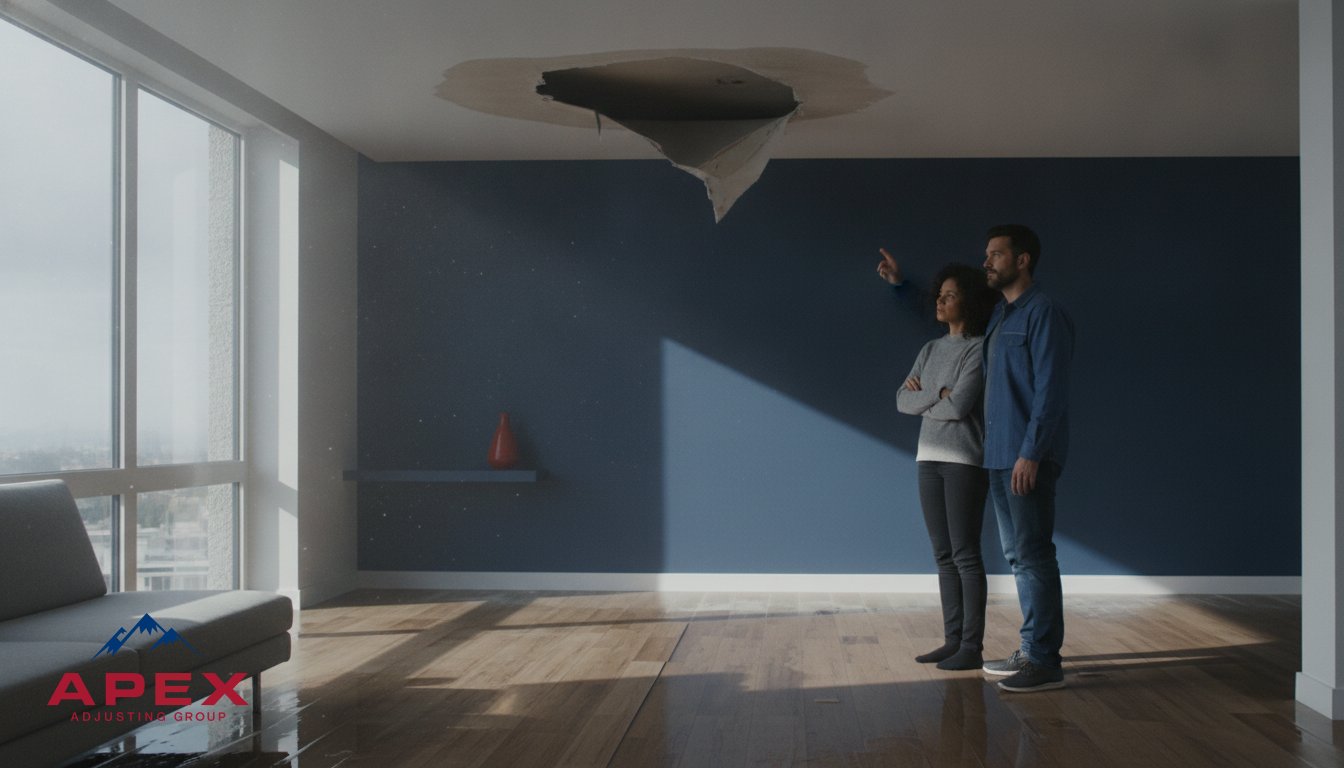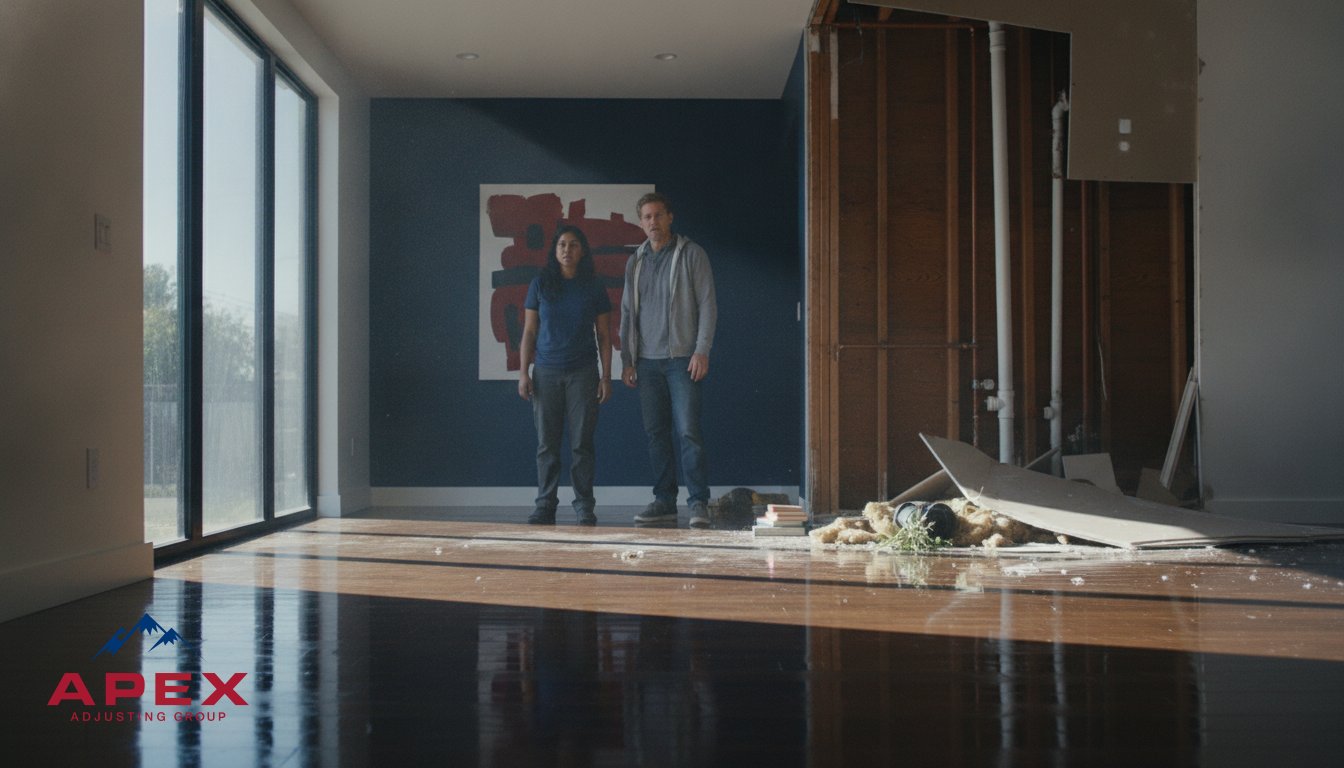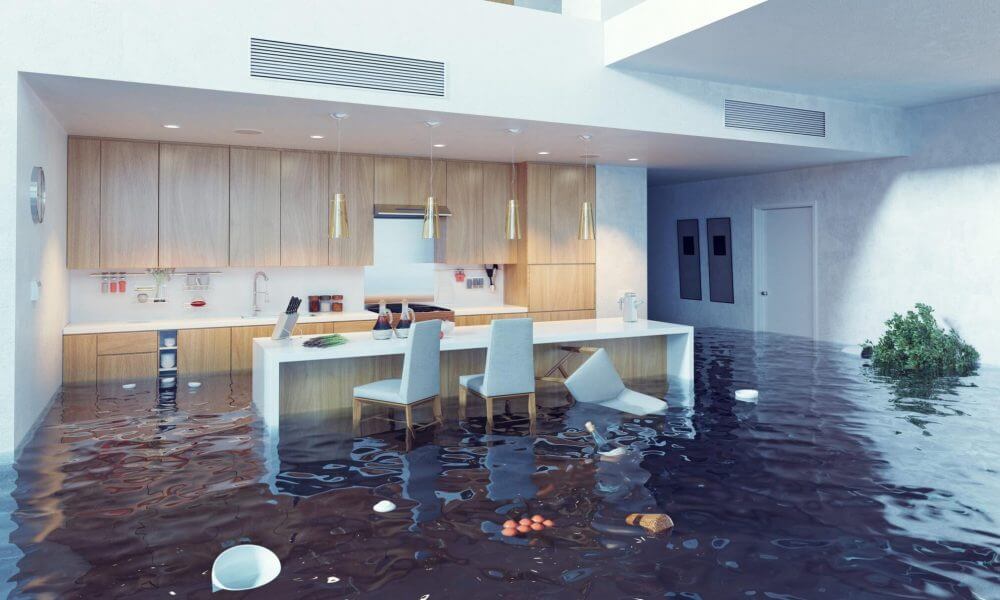
One leak can leave a condo association and unit owners sorting through separate damage records, repair decisions, and insurance policies. An Orange County condo association water leak claim may involve shared areas, one or more units, or both, and visible repairs may not show the full extent of the water damage. For local context, review Orange County claim support.
That uncertainty is understandable. The source of the leak alone doesn’t determine which policy may respond or who is responsible for each repair. Association governing documents, the master policy, and each affected owner’s policy all matter.
Build a clear record from the start. Photograph the leak source and affected areas, note when damage was discovered, and keep reports, communications, and mitigation records together. This article explains how to document the loss, assess the association and unit-owner claim paths, and prepare supporting information for review. A licensed public adjuster can examine claim scope and documentation for property owners, helping clarify the issues before they choose next steps.
Key Takeaways
- Keep the leak source, resulting damage, mitigation work, and repair estimates distinct in the claim record.
- Compare association and unit-owner records to identify affected property and unresolved policy questions.
- Use governing documents and the applicable insurance policies to frame an Orange County condo association water leak claim.
- Follow a consistent documentation sequence, including records of urgent steps taken to limit further damage.
- Apex can review available claim records, damage scope, estimates, and relevant policy materials for property owners.
Orange County Condo Water Leak Claims: Start with the Damage Record
A water leak can disrupt more than one residence. Water may appear in a unit, travel into a hallway or other shared space, and require the association to coordinate access, communications, and mitigation at the same time. An Orange County claim support resource may help property owners understand the claim-review process, but the first priority is a clear, factual record of what happened.
For an Orange County condo association water leak claim, record the reported or suspected source, when the leak was discovered, where water traveled, and what damage was visible. Keep those observations separate from conclusions about coverage or responsibility. The association’s governing documents and the applicable insurance policies need individual review before anyone can determine which claim path may apply.
What to record when a leak is discovered
Start with a timeline. Note when the leak was found, who reported it, who inspected the area, and what response followed. If the source is uncertain, label it as reported or suspected rather than stating it as a confirmed cause. A careful record distinguishes observation from assumption.
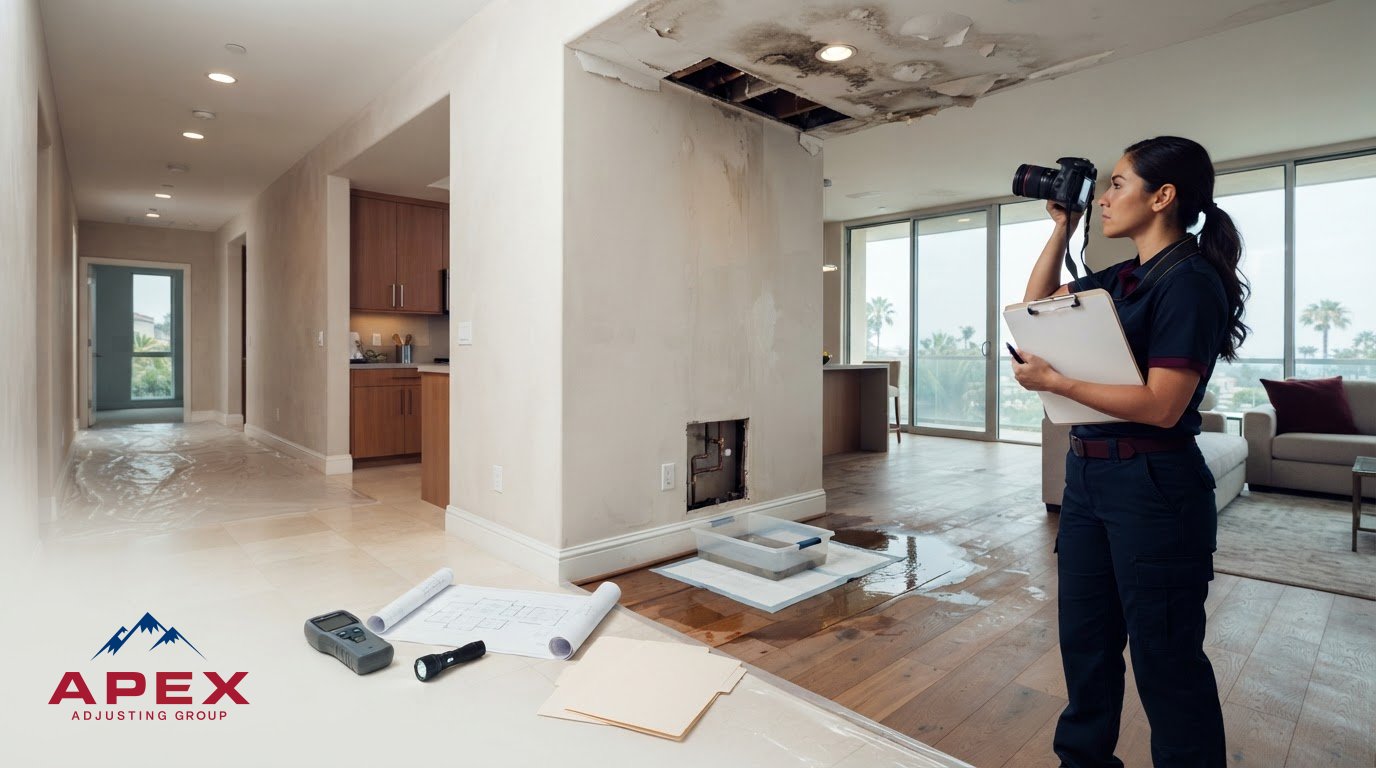
- Photograph and video the source area, visible water, affected finishes, and adjoining spaces. Capture wide views to show location and close views to show details.
- Record visible conditions such as staining, bubbling paint, warped flooring, or wet contents, and note whether the condition changed after the initial discovery.
- Preserve maintenance records, incident reports, resident communications, and mitigation invoices. Keep copies of related messages and note which areas were accessed or work was performed.
Urgent steps to limit further damage may need to happen before a complete inspection is possible. Document the condition before work when it is safe and practical, then retain records showing what was done and which areas were affected. Don’t delay necessary mitigation just to collect photographs.
Why shared and private spaces both matter
Map common areas and individual units separately. A simple floor plan marked with affected locations can help connect the reported source, water path, and observed damage without deciding which policy is responsible. For example, identify a ceiling stain in a unit and a wet hallway outside it as separate locations, even if residents believe they are connected.
- List affected common areas, such as corridors or shared building spaces.
- Record damage within each affected unit separately, including walls, ceilings, flooring, fixtures, and contents where applicable.
- Note areas inspected that showed no visible damage, so the record distinguishes observed impact from nearby unaffected space.
Describe conditions plainly; avoid labeling an item covered, excluded, or someone’s responsibility before the documents are reviewed. Water damage can affect materials in different ways, so a visible surface mark may not describe every affected area. A complete damage record supports later comparison with inspection findings, estimates, and policy language.
How Water Damage Scope and Policy Language Shape the Claim
A claim can become difficult to evaluate when the reported leak, resulting damage, mitigation work, and proposed repairs are blended into one description. Claim scope is the documented work and damage items presented for insurance consideration. For an Orange County condo association water leak claim, a structured scope helps reviewers compare each item with the available evidence and applicable policy language.
Separate the source of water from resulting damage
Keep the suspected source distinct from the damage it may have caused. An inspection may identify a plumbing component or building area for further review, while separate records describe affected materials and locations. Preserve inspection findings and identify whether a cause is confirmed, reported, or still undetermined.
That distinction matters because the component associated with a leak and the resulting water damage are different claim details. Don’t assume that documenting a repair means the policy covers it, or that damage in a unit belongs to the same claim as a shared-area repair. Coverage depends on the facts and the wording of the applicable policy.
Build a traceable damage and mitigation file
Make each estimate item easy to connect to a location and supporting record. A reviewer should be able to follow the path from an inspection note or photograph to the related work description, mitigation record, or estimate entry. If materials are removed during necessary work, retain records identifying the material, its location, and the work performed.
- Organize records by building area or unit, then match photographs and inspection notes to that location.
- Keep mitigation invoices and work descriptions together, with dates and a clear link to the affected area.
- Separate completed mitigation from proposed repair work so the file distinguishes work already performed from work being estimated.
- Flag estimate items that lack a supporting document or need clarification rather than treating an assumption as established fact.
A visible stain alone may not describe the full documented damage; the claim record should connect observed conditions to inspection findings and the work being considered. That doesn’t establish coverage. It gives the reviewer a clearer basis to assess the documented scope against the policy’s provisions, exclusions, limits, and the specific facts of the loss.
Policy wording can affect how individual items are evaluated, and the association’s documents may also inform how the claim information is organized. Avoid broad conclusions such as “the master policy covers everything” or “the owner’s policy covers only contents.” The actual documents must be read in context. Apex’s water damage claim services include reviewing claim scope and supporting records for property owners.
If the claim file needs a closer review, the association or affected property owner can request a free claim review to assess the available documentation and scope.
Association Policy or Unit-Owner Policy: Compare the Claim Records
A condo leak can create related but distinct claim records. The association may document damage to shared property, while an affected owner separately records damage to the unit or personal belongings. For an Orange County condo association water leak claim, compare those records without assuming one policy, deductible, or party applies to every part of the loss.
The association’s governing documents and the actual policies help frame which information belongs in each claim file. They don’t support a universal rule for all Orange County properties. Review the specific wording alongside the documented loss facts, and flag unresolved questions rather than treating assumptions as coverage decisions.
Review association records alongside policy documents
Gather the association policy, declarations, endorsements, and relevant governing documents. Note the areas, property interests, and parties each document references. A declaration page can help identify policy details, while endorsements may modify or add terms; the complete wording and applicable facts still matter.
Coordinate information without merging separate files
Keep separate folders or clearly labeled sections for association property, each affected unit, and personally owned contents. That structure makes it easier to share relevant information while preserving which party submitted each record and which property it concerns.
- Compare incident dates and descriptions so differences can be explained, not silently carried forward.
- Match inspection notes and mitigation records to the location they address.
- Track estimates by property area and identify any item that appears in more than one file for review.
- Record unresolved policy questions for review against exact wording and documented conditions.
This comparison doesn’t determine responsibility or guarantee that a particular policy responds. It gives reviewers a clearer view of how related records intersect. For additional context on documenting a property loss, Apex provides water damage claim support for property owners.
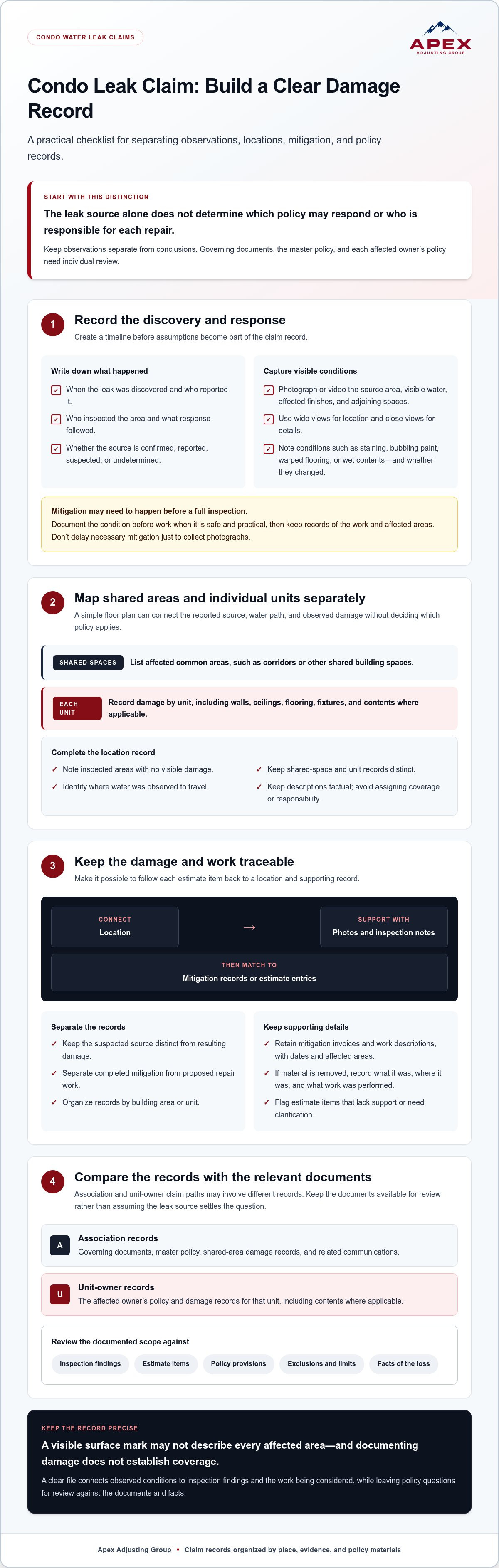
A Practical Checklist for an Orange County Condo Leak Claim
A claim file is easier to evaluate when the evidence follows a clear sequence. For an Orange County condo association water leak claim, the board can use this checklist to track the incident, supporting records, policy materials, and any gaps before assessing the claim position.
Organize evidence by location and date
Keep one dated file with clearly labeled records. A location-based photo log helps show where conditions changed and makes it easier to connect evidence to a reported damage item or expense.
- 1. Create an incident entry. Record when the leak was reported and discovered, who provided the information, the reported or suspected source, and what response followed. Mark unconfirmed details as unconfirmed.
- 2. Log photos and videos. Label each file with its date and location, such as a shared hallway or a specific unit area. Include wide views for context and closer images of visible conditions. If conditions change, add dated images rather than replacing earlier ones.
- 3. Document urgent mitigation. Take reasonable steps to limit further damage, and record the work alongside the resulting materials or areas affected. Keep work descriptions and invoices, and note when materials were removed during necessary work.
- 4. Collect supporting records. Organize inspection and incident reports, maintenance records, estimates, invoices, and relevant correspondence. Include the association policy materials and governing documents available for review.
- 5. Separate records by property and party. Keep association property, individual units, and personally owned contents distinguishable. Note who supplied each record and which location or item it concerns.
Compare the submitted scope with the available evidence
Before evaluating the association’s claim position, check that each listed damage item connects to a location and a supporting record. An estimate entry should be traceable to a photograph, report, inspection note, invoice, or other relevant document. This review identifies questions; it doesn’t decide coverage.
- 6. Check for missing support. Flag items with no matching location, photograph, report, or estimate detail. Identify areas mentioned in reports but absent from the submitted scope.
- 7. Reconcile inconsistencies. Compare dates, location descriptions, measurements, and the reported source across the records. If two documents describe the same area differently, preserve both and note the discrepancy for follow-up.
- 8. List open questions. Record what remains unclear, such as the cause of the leak, the extent of an affected area, or which policy document applies to a particular item. Review questions against the available policy wording and loss facts rather than making assumptions.
A completed checklist gives the association a more organized basis for reviewing the file and identifying what still needs support. Association representatives who want an independent assessment can request a free claim review without pressure to choose a particular next step.
When Apex Can Review an Orange County Condo Association Water Leak Claim
A water loss may leave an association or affected owner with a claim file that is difficult to assess: photos, estimates, mitigation records, and policy materials may not line up. Apex Adjusting Group is a licensed public adjusting firm that represents property owners, not insurance companies, in first-party water and commercial property damage claims. It can review an Orange County condo association water leak claim by examining the available record and how the documented damage scope is presented.
Apex is not a law firm and does not provide legal representation. It is also not a repair contractor. Its role is claim evaluation and adjustment, which can include reviewing documentation and identifying questions for further consideration against the applicable policy language and loss facts.
What a claim review can help clarify
A review can assess whether the available records provide a clear basis for evaluating the listed damage and proposed work. It may identify scope items that need added support, differences between estimates and inspection records, or gaps between the documented loss and the materials submitted for consideration.
Policy questions also need careful handling. The review can organize questions about relevant provisions and supporting documentation, but it does not provide legal advice or replace a policy-specific coverage determination. Any assessment depends on the facts of the claim and the wording of the applicable policy.
For a useful review, association representatives can gather records such as:
- Incident reports, inspection findings, maintenance records, and relevant communications.
- Photographs or videos organized by affected location and date.
- Mitigation invoices, work descriptions, repair estimates, and records of materials removed during necessary work.
- The relevant association policy materials and governing documents, along with claim correspondence.
Keep association property and owner-submitted information distinguishable. That makes it easier to understand which records relate to shared property, a particular unit, or personal contents, without assuming that one claim file answers every policy question.
Choose a clear next step without pressure
Apex charges a contingency fee, meaning it receives a fee only when it obtains a recovery. No recovery is guaranteed, and a review does not promise a particular settlement, amount, or timeline. The purpose is to examine the available file and help clarify the claim scope and documentation before property owners decide on next steps.
Association representatives can have the claim and property records ready, including estimates, reports, correspondence, and relevant policy materials. If the file is active or recently handled and the scope or documentation needs a closer look, they can request a free claim review.
Move the Claim Forward with a Clear Review
The next decision doesn’t have to settle every question about responsibility at once. A well-organized Orange County condo association water leak claim gives the association and affected owners a firmer basis for identifying what remains uncertain, which records may help address it, and what deserves closer review.
Before taking the next step, make sure the claim file reflects the current status of the loss. Keep unresolved scope items visible, preserve new documentation as it becomes available, and avoid treating an open policy question as a final answer. A focused review can help property owners understand the record and consider their options without assuming a particular result.
With a clearer file and the right questions in view, the association can approach the next stage with greater confidence.
Frequently Asked Questions
Does condo association insurance cover water damage inside a unit?
Sometimes, but the association’s policy doesn’t automatically cover every item inside a unit. The master policy’s terms, endorsements, and governing documents help frame how damaged property is treated; the owner’s policy may also be relevant. A damaged built-in finish and a soaked area rug, for example, may follow different claim paths. Compare the exact wording before assigning responsibility or assuming one policy applies to both.
Can a water leak claim include mold-related damage?
It may, depending on the policy wording and the documented cause and circumstances of the moisture. Record when mold or suspected growth was first observed, where it appeared, and what inspection or mitigation records address it. Keep invoices and reports that distinguish water removal or drying work from mold-related work. Don’t assume mold is covered or excluded without reviewing the policy provisions that apply to the loss.
Who pays the deductible on a condo association water leak claim?
There isn’t one deductible rule for every association or loss. The applicable policy identifies the deductible terms, while governing documents and the circumstances of the claim may inform how the association addresses related costs. Before deciding who bears a deductible, identify which policy applies to the claimed property and review its wording. Don’t assume an owner automatically pays because damage appeared inside a unit, or that the association always pays.
Can the association submit a claim after water damage repairs are complete?
Completed repairs don’t automatically prevent a claim from being reviewed, but the available proof becomes especially important. Keep invoices, work descriptions, inspection records, and any photographs taken before or during the work. If materials were removed, records identifying what was removed and where it came from may help explain the claimed work. Policy notice conditions and supporting evidence should be reviewed; no general timeline applies to every policy.
Does condo insurance cover temporary housing after a water leak?
A unit-owner policy may include coverage for temporary living expenses, but the applicable terms and facts determine whether it applies. The association’s policy shouldn’t be assumed to provide housing benefits to an individual resident. If a unit becomes difficult to occupy, the owner can keep a dated record of displacement, related communications, and receipts, then review the policy language describing any applicable additional living expense coverage.
How long does an Orange County condo water leak claim take?
There’s no reliable universal timeline for an Orange County claim. The review may depend on how quickly the leak source and affected areas can be assessed, whether the claim records are complete, and whether the policies or estimates raise questions that need follow-up. Keep a log of submissions, inspections, and requests for information. That record helps the association track the file’s progress without relying on an assumed completion date.
Can an association claim include damage to residents’ personal belongings?
The association can document that residents’ belongings were affected, but that doesn’t establish that the association’s policy covers those items. An owner may need to review their own policy for personal-property coverage and provide a separate inventory or supporting records. For example, photographs and proof of ownership can help describe damaged furnishings or electronics. Keep belongings distinct from building materials in the records so each item can be assessed under the relevant policy.
Need Help with Your Insurance Claim?
Our licensed public adjusters can help you get the maximum settlement you deserve. Contact us today for a free claim evaluation.
Related Articles