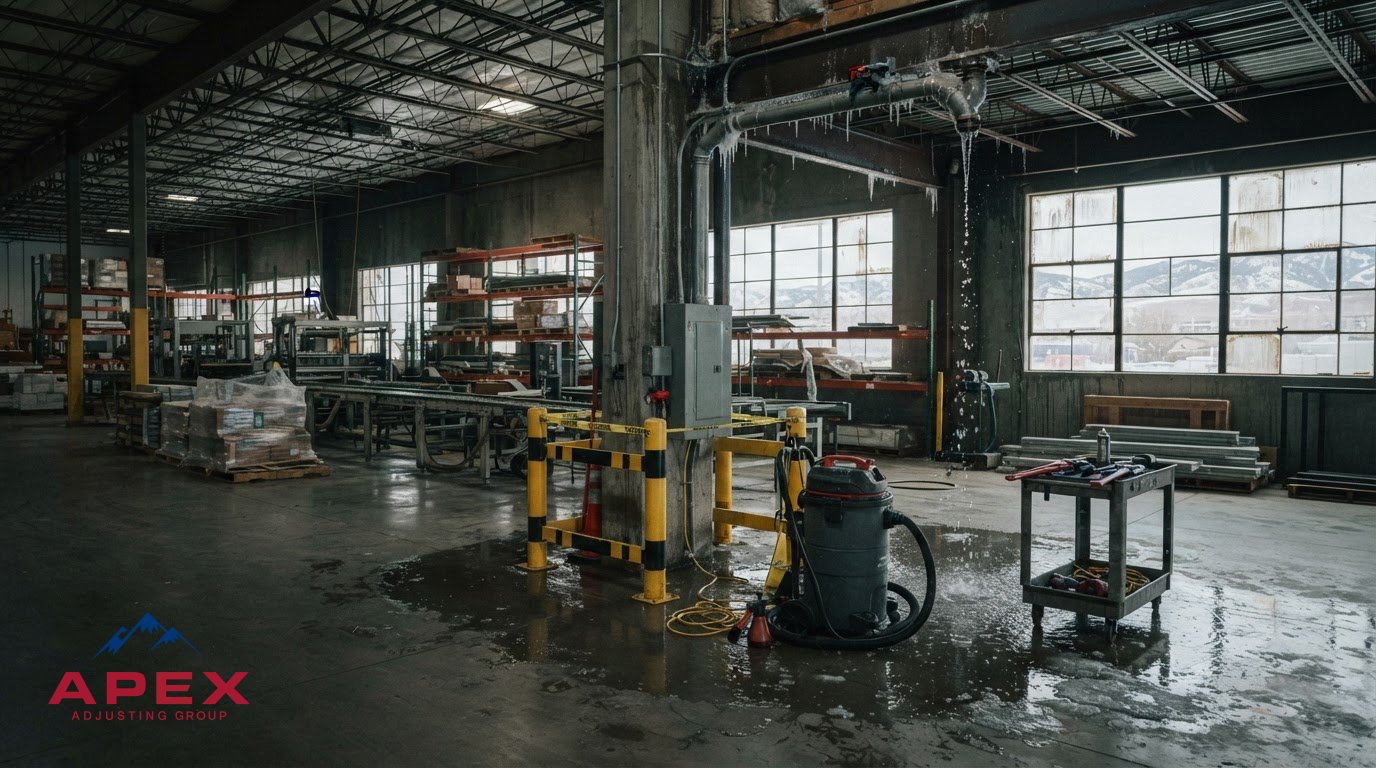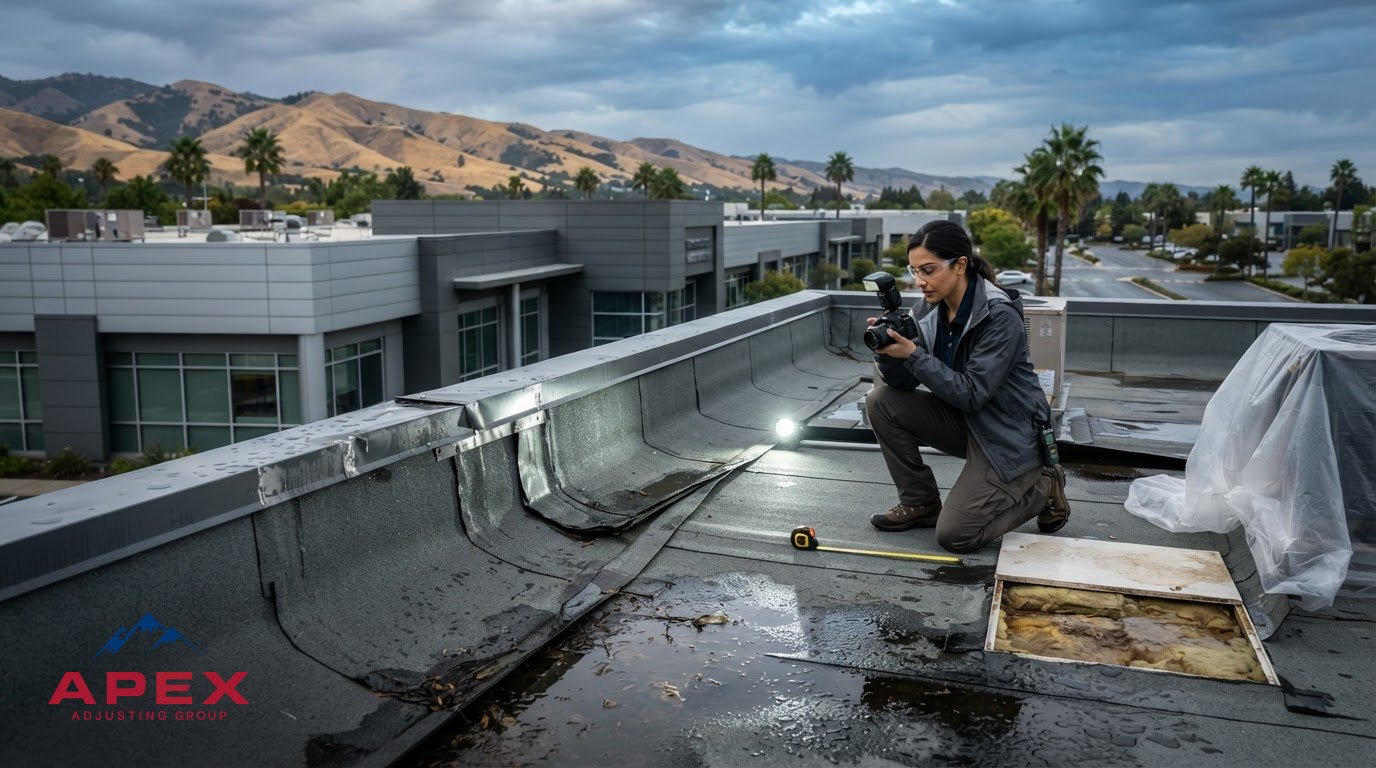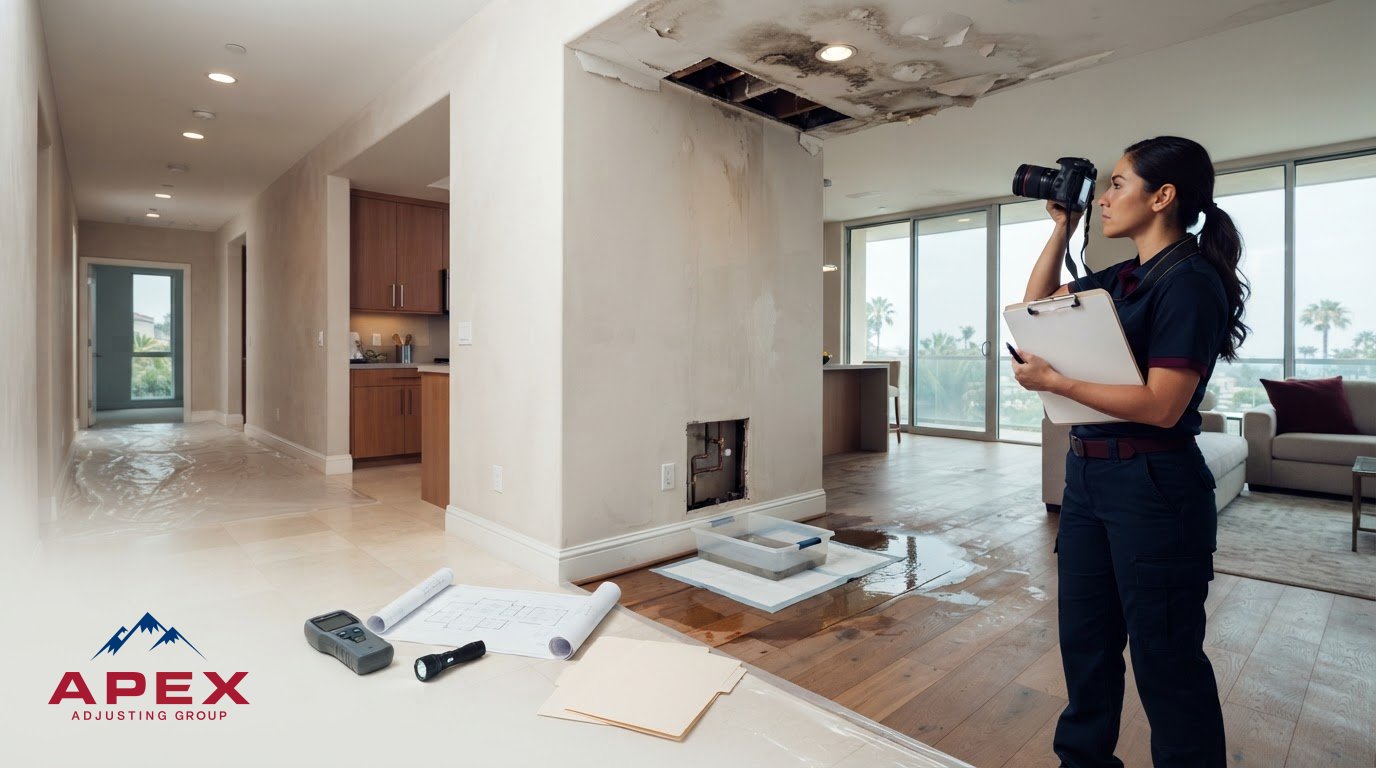
Report a Seattle flood loss promptly, even if you are still documenting the damage. Seattle recommends submitting a claim as soon as possible for sewer-backup or surface-water damage, and flood claim forms may be updated as the damage becomes clearer. Seattle retail business flood claim negotiation starts with timely notice and a clear record of the loss.
That record should show what water damaged, which inventory and equipment were affected, and how the damage has changed over time. Separate visible damage from losses that become apparent during cleanup, and keep photos, inventory records, receipts, and communications together. A detailed file gives the adjuster specific evidence to assess, while Seattle property claim support can help owners understand their claim options.
Retailers need to identify the water source, understand what their policy covers, and respond when an estimate misses items or costs. This article explains how to document the loss, communicate with adjusters, track claim progress, and address an underpaid or denied claim, so you can take practical next steps while the business works toward recovery.
Key Takeaways
- Report sewer-backup or surface-water damage to Seattle as soon as possible, and keep a dated record as the full extent of the loss becomes clear.
- Track each claim milestone and keep adjuster communications organized so you can follow up when information or an inspection is delayed.
- Build a contents inventory with photos, descriptions, condition, and supporting purchase or repair records to substantiate damaged stock, equipment, and furnishings.
- Compare the adjuster’s estimate with the documented damage and applicable policy provisions; identify omitted items or disputed amounts in a clear written response.
- If a claim is denied or appears underpaid, organize the decision, estimates, photographs, and supporting records before deciding on the next step.
Claim investigation and possible outcomes
Distinguish external floodwater from water released inside the building, then connect each damaged item to policy wording and evidence. The water source can affect which coverage applies and what the investigation needs to establish.
-
Review Commercial Flood Coverage
Read the declarations, water exclusions, and endorsements before estimating the loss. Commercial property coverage may apply to internal sources such as broken pipes, faulty sprinkler systems, defective HVAC systems, or city water-main and sewer backups. External flooding generally requires separate flood coverage, so identify the source before assessing which policy may respond.
Compare those limits with the store’s exposure to damage to its building, stock, fixtures, and equipment. Don’t assume building coverage also covers inventory.
-
Check Applicable Claim Rules
Separate a private insurance claim from a claim against the City of Seattle. Seattle City damage claims are governed by RCW 4.96.020 and Seattle Municipal Code 5.24.005. Private policy disputes turn on the contract’s provisions and applicable Washington requirements, so keep the claim type clear in communications.
Washington state statutes of limitation for claims vary by claim type; RCW 4.16 contains the applicable statutes, according to the Washington State Legislature. Record the loss date, notice date, and claim communications. Preserve the written decision and estimate with the policy if coverage or payment is disputed.
-
File the Flood Insurance Claim
Notify the insurer named in the policy and follow its claim instructions. Provide the policy number, loss date, suspected water source, affected areas, and impact on store operations. Seattle recommends submitting a City damage claim as soon as possible for sewer-backup or surface-water intrusion.
Organize photographs, invoices, inventory records, and cleanup documents by date and location. Seattle flood claim forms may be updated as additional damage becomes clear. Add new evidence to the original loss record, noting what changed and when you discovered it.
-
Consider Possible Claim Outcomes
Compare inspection findings with the damaged areas and policy language. Depending on the cause, exclusions, limits, and documentation, the investigation may result in payment, partial payment, or denial. Request the estimate and written explanation if specific items remain unresolved.
Review applicable flood-risk maps for the property and document drainage paths, water entry points, and existing mitigation measures. A map designation alone does not establish coverage. Businesses should promptly begin drying water-damaged property. Keep mitigation records with the claim file.
Claim timelines and adjuster response
Track milestones separately for a private insurance claim and a Seattle City damage claim. Their processes differ, so a dated chronology helps you identify where follow-up is needed.
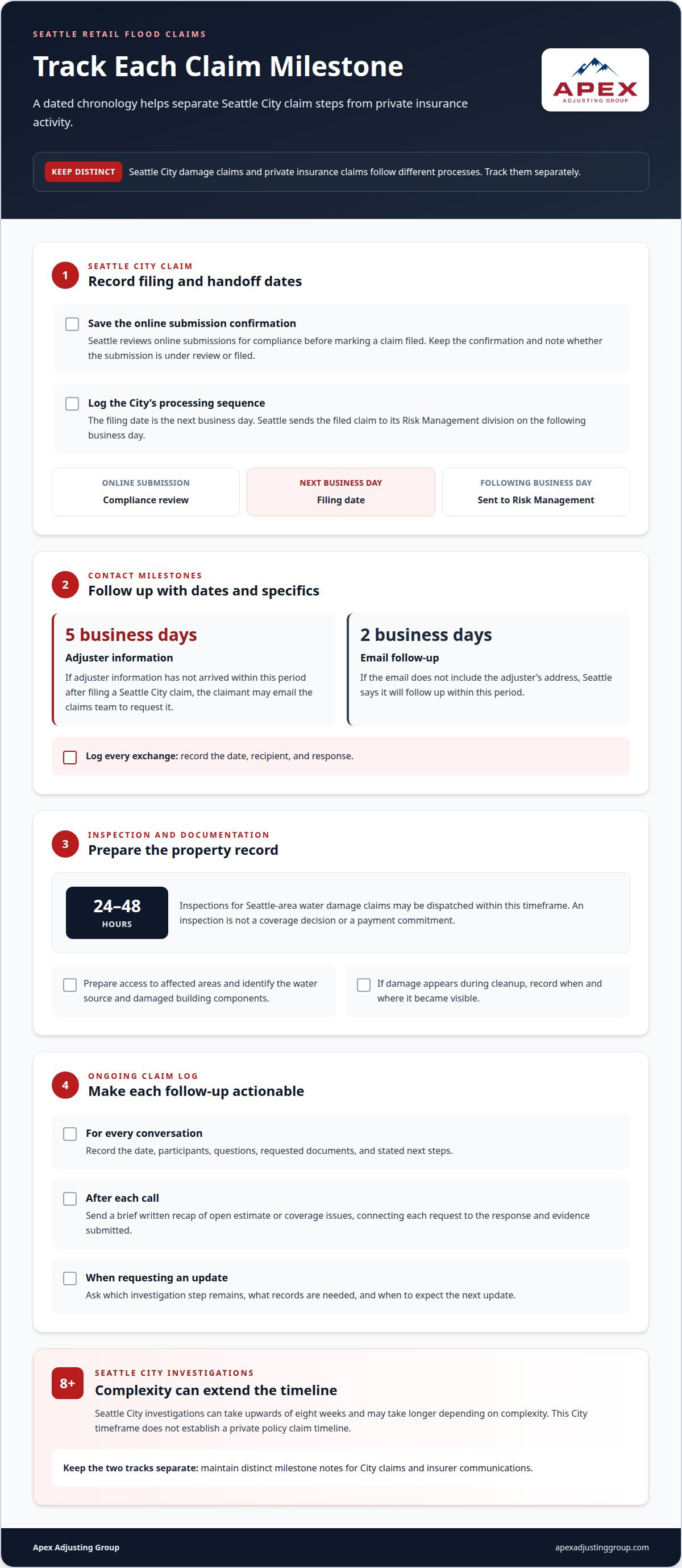
- Record the filing date and submission method. Seattle City reviews online submissions for compliance before marking a claim filed. The filing date is the next business day. Seattle sends the filed claim to its Risk Management division on the following business day. Save the submission confirmation and enter each date in the claim log. This distinction matters when tracking the City process.
- Track City claim contact milestones. If adjuster information hasn’t arrived within five business days after filing a Seattle City claim, the claimant may email the claims team to request it. If the email doesn’t include the adjuster’s address, Seattle says it will follow up within two business days. Record the date, recipient, and response in the timeline.
- Separate inspection timing from claim decisions. Inspections for Seattle-area water damage claims may be dispatched within 24-48 hours. An inspection is not a coverage decision or payment commitment. Prepare access to affected areas, and identify the water source and damaged building components. If additional damage appears during cleanup, document when and where it became visible.
- Keep a dated communication log. For each adjuster conversation, record the date, participants, questions, requested documents, and stated next steps. After a call, send a brief written recap of open estimate or coverage issues. A Seattle retail business flood claim negotiation file is easier to follow when the chronology connects each request to the response and evidence submitted.
- Make follow-up requests specific. Ask which investigation step remains, what records are needed, and when to expect the next update. Seattle City investigations can take upwards of eight weeks and may take longer depending on complexity. That City timeframe doesn’t establish a private policy claim timeline. During Seattle retail business flood claim negotiation, keep City milestones separate from insurer communications.
Keep the chronology and correspondence together before responding to a delay or estimate question. If a commercial claim has stalled or the file is difficult to organize, a free claim review can help assess it.
Keep the portal confirmation with the chronology, and note whether the submission is under review or has reached filed status. Seattle City claims submitted through the online portal are reviewed for compliance and are not marked as filed until the next business day. This distinction helps keep the recorded start point consistent with the City process, rather than the time the materials were first sent.
Record requests for adjuster contact details separately, including when you sent the request and whether the reply includes an address. People who email Seattle’s claims team without their adjuster’s email address will receive a follow-up within two business days. Save the message and reply with the other claim correspondence, so the chronology records both the request and response without mistaking a contact update for a claim decision.
Contents inventory and replacement costs
Calculate a contents claim using documented property and the policy’s valuation terms. The amount payable depends on covered items, applicable limits, the deductible, and whether depreciation applies.
-
Inventory Damaged Contents
List merchandise, equipment, furniture, and supplies separately. For each item, record its description, quantity, location, condition, and whether it can be cleaned or needs replacement. For example, identify damaged shirts by product type and count instead of grouping them as “clothing.”
Use a consistent identifier to connect each inventory entry with its supporting records. Note the stockroom aisle, display area, or equipment station where the item was located. Separate salvageable goods from items that are contaminated, corroded, swollen, or otherwise unusable.
Support quantities with purchase invoices, point-of-sale records, vendor statements, and inventory reports. If the records don’t show an exact quantity, explain how you arrived at the count. Distinguish missing documentation from items that were never present, so each claim line can be evaluated accurately.
-
Estimate Replacement Costs
Price each damaged item using a comparable replacement rather than a broad category estimate. Match details such as model, capacity, material, and function. For retail merchandise, use vendor invoices or product records for the same goods, and distinguish resale inventory from fixtures used to operate the store.
Check the policy’s valuation wording for actual cash value or replacement cost. Actual cash value may account for depreciation. Replacement-cost terms may allow payment based on eligible replacement expense, subject to policy conditions. Don’t assume one valuation method applies to every item; review the relevant endorsements and contents provisions.
Find the deductible in the policy declarations and apply it as the contract directs. Compare the adjuster’s inventory with the store’s itemized schedule. Flag omitted items, incorrect quantities, or depreciation without a clear item-level basis. Support each correction with the matching record and a concise explanation.
Make the calculation traceable from each item to the total. Show the documented value, applicable limit, valuation method, and deductible separately. If the estimate combines merchandise and equipment, request a breakdown so each category can be compared with the store’s records. This makes discrepancies easier to identify and discuss.
Denied and underpaid claims
Distinguish a coverage denial from an estimate that pays only part of the documented loss. A public adjuster can help assess claim scope and valuation; an insurance attorney handles legal advice and representation.
-
Review a Denied or Underpaid Claim
Compare the insurer’s written decision with the policy, inspection findings, and submitted evidence. Identify the specific reason for each exclusion or omitted item. For example, distinguish disputed flood causation from missing stock quantities or an estimate that leaves out damaged electrical equipment.
Base your response on specific gaps, not general disagreement. List each disputed room, item, or repair, and cite the supporting photograph, invoice, inventory record, or contractor estimate. Ask for clarification if the decision doesn’t explain how a policy provision applies to the documented damage.
- Reconcile the estimate line by line. Compare the adjuster’s scope with the store’s damage records. Check measurements, quantities, material descriptions, labor tasks, and affected areas. For example, if a stockroom estimate omits lower shelving, compare it with photographs and inspection notes.
Separate items that are missing from those included at a different quantity or value. Record the estimate page, line description, requested correction, and supporting evidence. This format helps the reviewer assess specific disagreements without losing sight of the full claim.
- Submit a focused supplement. Send the comparison with relevant records grouped by issue. Label each attachment so the adjuster can match it to a disputed line. If new damage becomes visible after access or cleanup, add dated documentation and explain how it relates to the same loss.
Keep the original decision, revised estimates, and submission receipts together. Track what was accepted, what remains disputed, and what additional documents were requested. A clear record makes your next response more precise and keeps resolved items separate from open issues.
-
Consider Professional Claim Help
Consider a public adjuster when the main challenge is documenting property damage, measuring the covered scope, or evaluating an insurer’s estimate. A public adjuster can organize claim evidence and communicate about property loss. The role does not include legal representation or legal advice.
Consult an insurance attorney for legal advice about policy rights, legal deadlines, or formal disputes. For a Washington business, the right support depends on the unresolved issue: claim documentation and valuation call for adjusting support; legal questions call for an attorney. Keep the claim file organized for either review.
Supporting evidence and documentation
Build an evidence file that connects the water source, physical damage, and claimed costs. Use dated records so each photograph, receipt, and repair document can be matched to the loss.
- Photograph the damage before conditions change. Take wide views of each affected area, then close-ups of water lines, damaged surfaces, and visible debris. Include the sales floor, stockroom, utility areas, and exterior entry points. Seattle flood claimants should photograph the damage and document affected personal property, including clothing and furniture.
Keep original image files and note when and where each photograph was taken. Photograph the same area again during cleanup to document changes. For example, record water staining on a stockroom wall before drying, then photograph any material removed during remediation.
- Document the water path and apparent source. Photograph entry points, drains, nearby equipment, and affected building components. Note when you first discovered the water, which areas were wet, and how far it spread. Keep observations factual, distinguishing what staff saw from conclusions about the cause.
Save relevant service records for equipment such as sprinklers, HVAC systems, or plumbing. If a sewer backup or city water issue is involved, retain related communications and claim records. These materials help clarify whether the loss involved outside flooding or an internal source.
- Keep mitigation and cleanup records. Save dated invoices, work notes, disposal records, and receipts for emergency supplies. When practical, photograph removed materials before disposal and record the room and reason for removal. Link each document to the affected area instead of filing it under a general “cleanup” label.
Retain communications about access, inspections, and work performed. For example, a drying invoice should identify the service date and area treated. Organize these records with the original damage photographs to show the sequence from discovery through mitigation.
- Connect business records to the physical loss. Preserve relevant sales and inventory reports, vendor invoices, purchase records, and equipment documents. Identify affected goods by location and category. A point-of-sale record can support stock quantities, while a repair record can clarify equipment condition before the flood.
Create a simple index listing document names, dates, and the damage or expense each supports. Separate building, contents, cleanup, and business records. This structure helps an adjuster trace each claim item to its evidence without confusing unrelated records.
Apex Adjusting Group: Fire Damage Claims
Apex Adjusting Group represents property owners in first-party property damage claims, including commercial water damage claims. When a Seattle retail flood claim is delayed, denied, or appears underpaid, its public adjusting services can help assess the documented damage, policy provisions, and insurer’s estimate.
For a retail business, the review can focus on building damage, affected contents, and gaps between the evidence and the claim decision. Apex Adjusting Group also handles commercial property claims. The firm does not provide legal representation or construction and repair services.
Retailers with an active or recent claim can request a free claim review to discuss their file.
Move the Claim Toward a Clear Resolution
Seattle retail business flood claim negotiation can help frame the remaining issues for review. Focus the next step on unresolved scope, valuation, or coverage questions, and organize supporting records around those points. Clear, measured communication keeps the discussion centered on the documented loss.
Apex Adjusting Group handles commercial property claims, including water damage and fire damage claims. Its public adjusting services can help businesses evaluate an active or recent property claim. Request a free claim review to discuss the file and whether adjusting support fits your situation.
With an organized record and a clear next step, the business can focus on recovery while its claim moves forward.
Frequently Asked Questions
How long do I have to file a claim?
Report the loss promptly, but the filing deadline depends on the claim and policy. Seattle recommends submitting a City damage claim as soon as possible for sewer backup or surface-water intrusion. For legal limitation periods, the Washington State Legislature states that applicable statutes vary by claim type and are found in RCW 4.16. Keep the loss date and notice records together, and don’t treat an insurer’s notice requirement as the same deadline.
How long will the investigation take?
A Seattle City damage-claim investigation can take upwards of eight weeks and longer when the claim is complex. This figure applies to City investigations, not every private insurance claim. For a retail property, an investigation may involve identifying the water source, inspecting building systems, reviewing damaged stock, and evaluating submitted records. Keep a dated log of requests and responses to track which investigation steps remain open.
What evidence and documentation should a retail business gather for a flood claim?
Gather records showing both the physical loss and the store’s operations before and after flooding. Preserve staff incident notes, relevant vendor messages, repair-access records, and electronic business documents. For example, a delivery schedule can help establish which merchandise was present when water entered. Keep original digital files where possible, and make a separate working copy for annotations so the originals remain intact.
How can a Seattle retailer negotiate a low or disputed flood claim settlement?
Request the insurer’s written position and identify the unresolved issue behind each disputed amount. Prepare a concise response connecting the issue to a policy provision, inspection finding, or record the reviewer may have missed. For example, if the dispute concerns the water source, point to evidence distinguishing outside flooding from an internal backup. Keep the exchange factual, dated, and focused on specific claim items.
How can a Seattle retailer document business interruption and extra expenses after flooding?
Track operating losses and additional costs separately. Preserve sales reports, canceled orders, payroll records, and documentation of temporary operating arrangements or added expenses. The National Flood Insurance Program typically does not cover business interruption or loss-of-use expenses after a flood. Review the commercial policy for applicable business-income or extra-expense coverage, including relevant limits, exclusions, and conditions.
What Washington laws and regulations govern commercial insurance claim handling and disputes?
Seattle City damage claims are governed by RCW 4.96.020 and Seattle Municipal Code 5.24.005. Private insurance disputes turn on the policy’s provisions and applicable Washington requirements; limitation periods vary by claim type under RCW 4.16.
Need Help with Your Insurance Claim?
Our licensed public adjusters can help you get the maximum settlement you deserve. Contact us today for a free claim evaluation.
Related Articles