Is Smoke Damage Really Property Damage? Understanding the Truth After California Wildfires
Following the recent Southern California wildfires, one question has become increasingly common during insurance claims:
"Is smoke damage actually considered property damage?"
Unfortunately, some insurance companies have attempted to minimize smoke damage by arguing that if a home didn't burn, there isn't significant damage. In reality, that position ignores both building science and the physical effects smoke leaves behind.
The answer is straightforward:
Yes. Smoke damage is real physical damage.
In many cases, smoke contamination requires extensive cleaning, restoration, replacement of materials, and specialized remediation to return a property to its pre-loss condition.
What Is Smoke Damage?
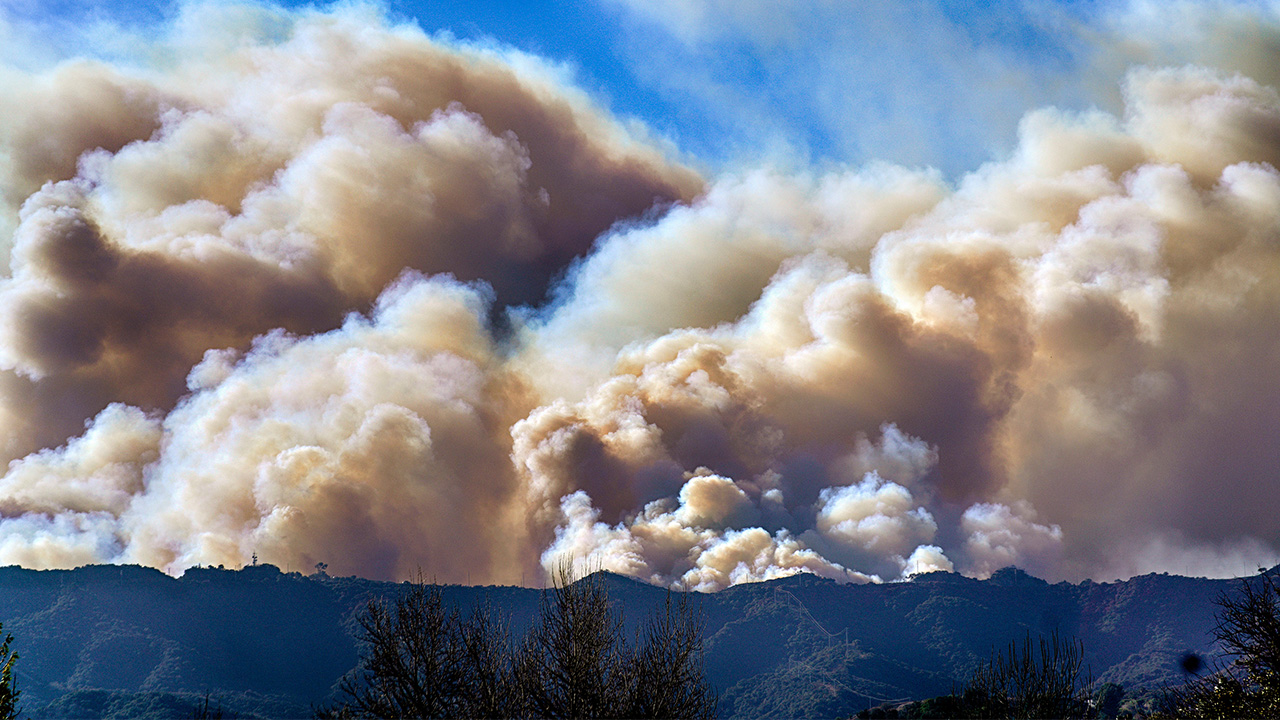
Smoke is far more than an unpleasant odor. Wildfire smoke contains microscopic particles produced by the combustion of:
- Wood
- Plastics
- Building materials
- Household chemicals
- Metals
- Vehicles
- Synthetic materials
These particles travel through every opening in a structure and settle on nearly every surface, including areas that may appear perfectly clean.
Smoke residue commonly affects:
- Walls
- Ceilings
- Attic spaces
- HVAC systems
- Insulation
- Cabinet interiors
- Electrical components
- Furniture
- Clothing
- Personal property
Smoke Causes Physical Changes to Building Materials
Smoke particles do not simply sit on the surface.
Many are acidic and chemically reactive. Over time they can:
- Etch glass surfaces
- Corrode metals
- Discolor paint
- Damage electronics
- Penetrate drywall
- Embed within porous materials
- Contaminate insulation
- Leave permanent staining
Even when these effects are not immediately visible, contamination can remain within the building materials.
Odor Alone Can Be Evidence of Damage
A persistent smoke odor indicates that combustion byproducts remain inside the property.
Those particles have attached themselves to surfaces or become trapped inside porous materials such as:
- Drywall
- Carpet
- Wood framing
- Insulation
- Cabinetry
- HVAC ductwork
Removing the odor typically requires professional cleaning, HEPA vacuuming, specialized deodorization, HVAC cleaning, thermal fogging, ozone or hydroxyl treatments where appropriate, and in some cases removal and replacement of contaminated materials.
What Do Industry Standards Say?
The restoration industry recognizes smoke contamination as a condition requiring professional remediation.
Organizations such as the Institute of Inspection Cleaning and Restoration Certification (IICRC) publish standards for evaluating and restoring smoke-damaged structures. Restoration professionals routinely perform:
- Particle testing
- Surface contamination assessments
- HEPA cleaning
- HVAC decontamination
- Seal and encapsulation procedures
- Material replacement when cleaning cannot restore the property
The goal is to return the property as closely as possible to its pre-loss condition.
How Insurance Policies Typically Treat Smoke Damage
Most homeowners insurance policies that provide fire coverage also provide coverage for direct physical loss caused by smoke.
Coverage depends on the specific policy language, endorsements, exclusions, and facts of the loss. However, where smoke from a covered wildfire physically contaminates a property, insurers commonly evaluate claims for:
- Structural cleaning
- Painting
- HVAC cleaning
- Insulation replacement
- Content cleaning
- Contents replacement when restoration is unsuccessful
- Additional Living Expenses (ALE) when applicable
Each claim should be evaluated individually based on the policy and documented conditions at the property.
Why Some Smoke Damage Claims Become Disputed
Following catastrophic wildfire events, insurance companies often receive thousands of claims.
Disputes sometimes arise over whether:
- Smoke levels are sufficient to require remediation
- Cleaning alone is adequate
- Building materials require replacement
- Contents are economically repairable
- Testing supports contamination
Because smoke contamination is frequently microscopic, documenting the extent of the damage becomes extremely important.
Documentation Is Critical
Property owners should document evidence of smoke contamination whenever possible.
This may include:
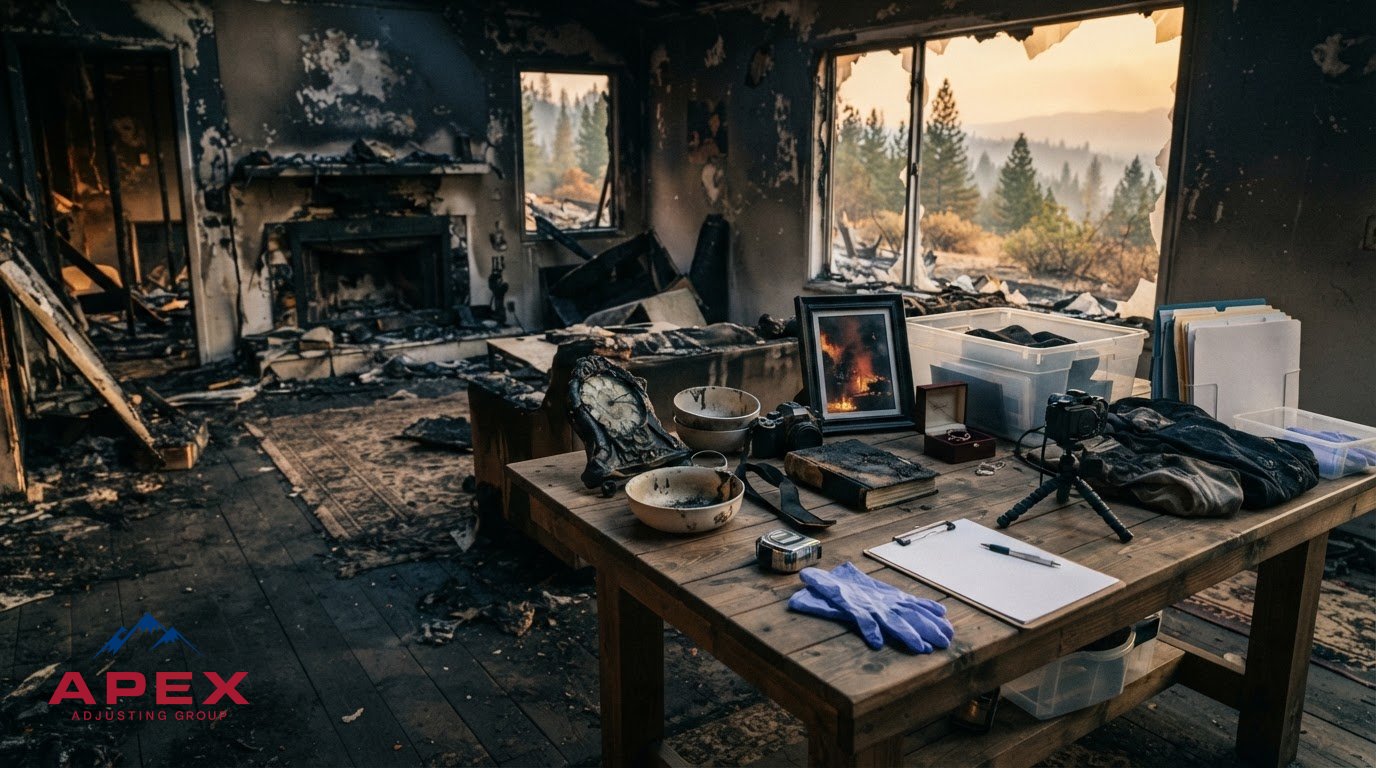
- Photographs of soot deposits
- Professional environmental testing
- HVAC inspection reports
- Restoration contractor evaluations
- Laboratory analysis when appropriate
- Contents inventories
- Cleaning estimates
- Repair estimates
Strong documentation helps demonstrate the scope of contamination and supports the need for proper restoration.
California Homeowners Have Rights
California insurers must investigate claims thoroughly, fairly, and objectively. The California Fair Claims Settlement Practices Regulations require insurers to conduct reasonable investigations before making coverage decisions and to provide explanations when denying or limiting payment.
When disagreements arise regarding smoke contamination, policyholders may request supporting documentation, ask questions about the insurer's investigation, and seek independent evaluations when appropriate.
The Bottom Line
Smoke damage is not "just a smell."
Wildfire smoke can physically contaminate building materials, damage personal property, affect HVAC systems, and leave harmful combustion residues throughout a home.
Whether the damage is visible or microscopic, smoke contamination can require significant remediation to restore a property to its pre-loss condition.
If your home has been affected by wildfire smoke and you believe your insurance company has underestimated the damage, understanding your policy and obtaining a thorough evaluation can make a significant difference in the outcome of your claim.
Need Help With a Smoke Damage Insurance Claim?
Apex Adjusting Group advocates for California homeowners by reviewing policies, evaluating damage, and helping ensure insurance claims accurately reflect the full scope of covered losses.
Contact Apex Adjusting Group today for a professional claim review and let our experienced public adjusters help protect your rights.
Need Help with Your Insurance Claim?
Our licensed public adjusters can help you get the maximum settlement you deserve. Contact us today for a free claim evaluation.
Related Articles