The Situation
Following a residential fire loss in Cupertino, the insurance carrier initially classified the claim as primarily a smoke damage event rather than a major structural fire loss. Based on this early assessment, the claim was assigned to a first-level adjuster, and the carrier's position was that much of the affected property could be cleaned and deodorized rather than removed and replaced.
The carrier relied heavily on recommendations from a restoration vendor who maintained that smoke odor and soot contamination could be effectively addressed through specialized cleaning and treatment processes without extensive demolition or reconstruction. As a result, the true extent of the fire-related damage was not fully recognized during the initial stages of the claim.
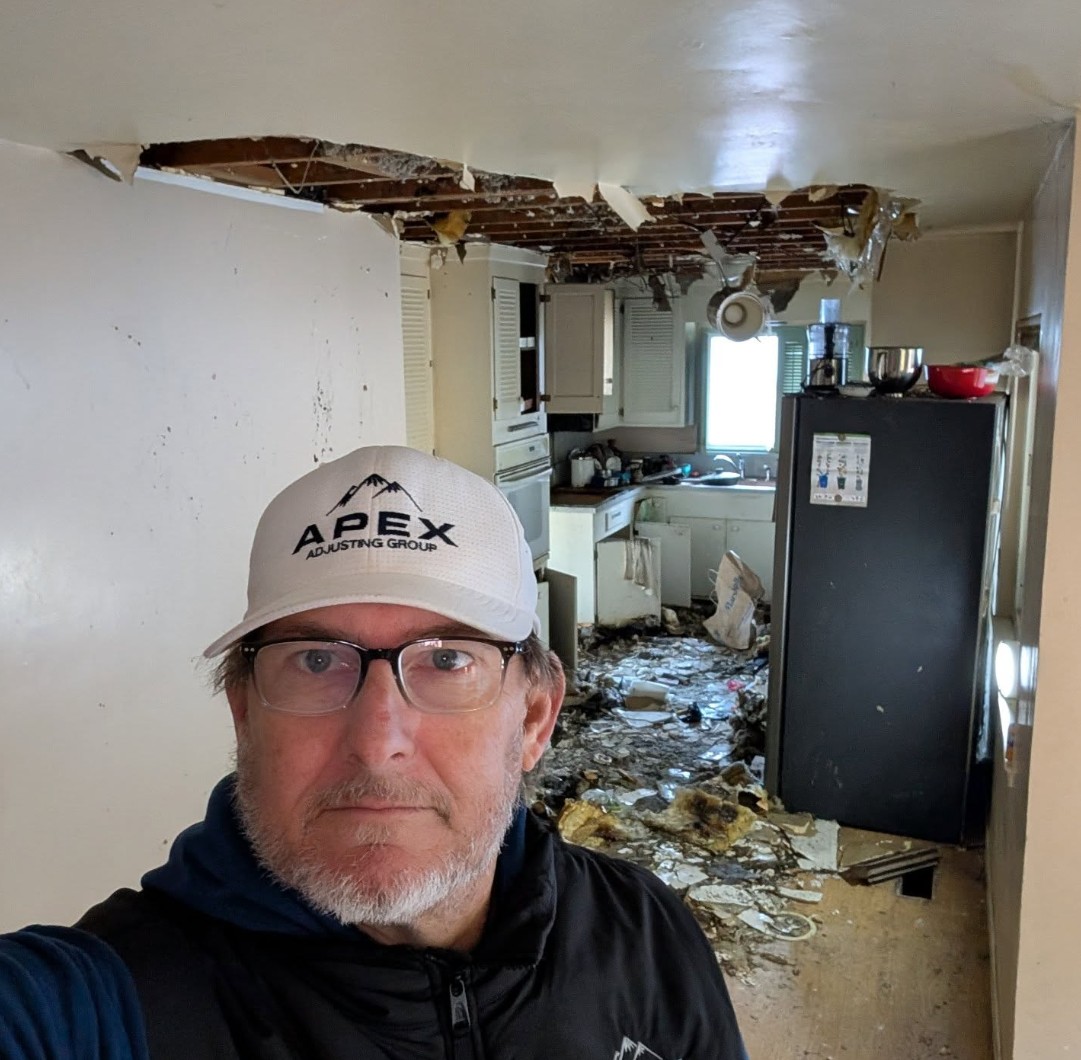
Concerned that the scope of loss had been significantly underestimated, the homeowner retained Apex Adjusting Group to perform an independent evaluation. Our inspection revealed extensive structural and fire-related damage that extended well beyond surface smoke contamination. Burned structural framing, damaged roof trusses, compromised electrical systems, and other concealed fire-related conditions were identified, all requiring restoration to pre-loss condition.
The Insurance Company's Response
The insurance carrier initially issued an offer of $145,387.22 based largely on the assumption that the majority of the property could be cleaned and restored rather than rebuilt. Despite repeated requests and the presentation of evidence demonstrating significant structural damage, the claim remained assigned to an adjuster with limited large-loss experience.
As additional findings were documented, Apex repeatedly requested reassignment to a more experienced large-loss adjuster capable of evaluating the complexity of the claim. However, the carrier continued to rely on its original assessment for an extended period, resulting in substantial disagreement regarding the scope of repairs required.
Only after persistent advocacy and ongoing discussions was the claim ultimately transferred to a senior adjuster with extensive large-loss experience. Upon reviewing the evidence and supporting documentation, a more comprehensive evaluation of the damages began.
What the Insurer Got Wrong
The insurance company's initial assessment offered just $145,387, failing to account for the full scope of damage to the property.
What We Found
Our investigation uncovered numerous damages and repair requirements that had not been properly accounted for during the carrier's initial evaluation, including:
Fire-damaged structural framing members.
Burned and compromised roof trusses requiring replacement.
Electrical system components affected by heat and fire exposure.
Hidden structural damage concealed behind finishes.
Smoke and soot contamination extending beyond visible areas.
Building components requiring replacement to restore the property to pre-loss condition.
Additional reconstruction costs associated with code compliance and proper restoration practices.
To support these findings, Apex assembled a comprehensive claim package that included detailed estimating, extensive photographic documentation, contractor evaluations, and engineering analysis. The evidence demonstrated that the carrier's original scope failed to capture the true extent of the loss.
The Result
After approximately nine months of negotiations and supplemental claim presentations, Apex Adjusting Group successfully secured a final settlement of $742,687.13.
The claim increased from the carrier's original offer of $145,387.22 to $742,687.13—an increase of more than $597,000. The final settlement reflected the actual scope of structural repairs, electrical restoration, smoke damage remediation, and reconstruction required to return the property to its pre-loss condition.
Most importantly, the homeowner received the funds necessary to properly rebuild the home rather than relying on an incomplete repair approach that would have left significant fire-related damage unaddressed.
Settlement Secured
We increased the settlement from $145,387 to $742,687, recovering an additional $597,300 — ensuring the property owner received full compensation for all damages.