Understanding Personal Property Insurance Claims
When disaster strikes your home, the damage often extends beyond the structure itself. Your personal belongings—furniture, electronics, clothing, and sentimental items—may also suffer significant harm. Understanding how personal content claims work is crucial for ensuring you receive fair compensation for your damaged or destroyed possessions.
Personal property coverage is typically included in homeowners and renters insurance policies, but navigating the claims process can be complex. Knowing what to expect and how to properly document your losses will help you achieve the best possible outcome.
What Insurance Companies Look for in Personal Property Claims
Insurance adjusters have specific criteria they use to evaluate personal content claims. Understanding what is the insurance looking for can help you prepare a stronger claim:
- Proof of ownership: Receipts, photos, or other documentation showing you owned the items
- Age and condition: Evidence of the item's pre-loss condition and purchase date
- Cause of damage: Clear connection between the covered peril and the damage to your belongings
- Accurate valuation: Realistic replacement costs or actual cash values for damaged items
- Complete documentation: Thorough inventory lists with detailed descriptions
Insurance companies use this information to determine coverage eligibility and calculate settlement amounts. The more comprehensive your documentation, the smoother your claims process will be.
Creating a Detailed Inventory for Your Claim
A comprehensive inventory forms the backbone of any successful personal property claim. This detailed list should include every damaged or destroyed item, along with supporting information:
Essential Inventory Components
- Item description: Brand, model, size, color, and unique identifying features
- Purchase information: When and where you bought the item, original cost
- Current condition: Age, wear, and pre-loss condition
- Damage assessment: Extent of damage and whether repair or replacement is needed
- Estimated replacement cost: Current market value for similar items
Documentation Best Practices
Effective inventory documentation requires attention to detail:
- Take photographs of damaged items from multiple angles
- Group similar items together (all clothing, all electronics, etc.)
- Include serial numbers and model information when available
- Save receipts, warranty information, and appraisals
- Research current replacement costs online
Handling Smoke Damage to Personal Belongings
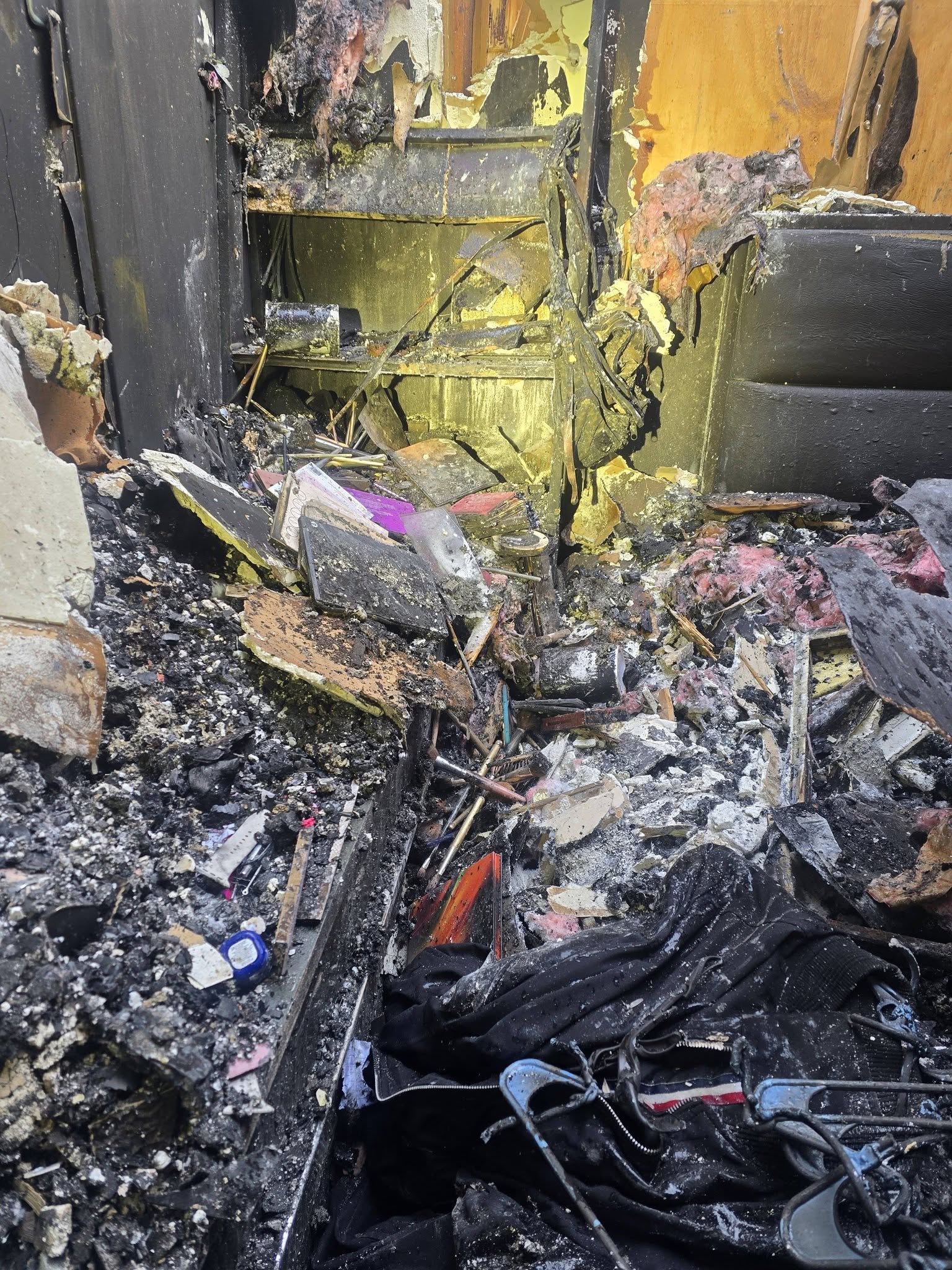
Smoke damage to personal belongings presents unique challenges in insurance claims. Smoke can penetrate porous materials, leaving lingering odors and stains that may not be immediately visible but require professional treatment or replacement.
Common Items Affected by Smoke Damage
- Textiles: Clothing, bedding, curtains, and upholstered furniture
- Electronics: Computers, televisions, and small appliances
- Personal items: Books, photographs, and documents
- Food and medications: Items that may be contaminated by smoke exposure
Documenting Smoke Damage
Smoke damage requires special attention in your personal content claims:
- Document odors and discoloration, even if subtle
- Obtain professional cleaning estimates for salvageable items
- Research replacement costs for items beyond restoration
- Consider the health implications of smoke-contaminated items
- Don't attempt to clean valuable items without professional guidance
Maximizing Your Personal Property Settlement
Several strategies can help ensure you receive fair compensation for your personal property losses:
Replacement Cost vs. Actual Cash Value
Understand your policy's coverage type:
- Replacement Cost Coverage: Pays for new items of similar quality without depreciation
- Actual Cash Value: Pays replacement cost minus depreciation for age and wear
Coverage Limits and Sublimits
Review your policy for:
- Overall personal property coverage limits
- Special limits for high-value items like jewelry or electronics
- Additional coverage options you may have purchased
Common Mistakes to Avoid
Avoid these common pitfalls that can reduce your settlement:
- Throwing away damaged items before documentation
- Accepting the first settlement offer without review
- Underestimating replacement costs
- Failing to include all damaged items in your inventory
- Not obtaining professional cleaning or repair estimates
When to Seek Professional Help
Personal content claims can become overwhelming, especially when dealing with extensive damage or complex policy language. Consider professional assistance when:
- Your claim involves significant personal property losses
- The insurance company disputes your inventory or valuations
- You're unfamiliar with policy terms and coverage limits
- You need help negotiating with insurance adjusters
Get Expert Help with Your Personal Property Claim
Navigating personal content claims requires expertise and attention to detail. At Apex Adjusting Group, our experienced public adjusters understand what insurance companies are looking for and how to present your claim for maximum recovery.
We help policyholders throughout the entire claims process, from initial inventory preparation through final settlement negotiation. Our team has extensive experience handling smoke damage to personal belongings and complex personal property valuations.
Don't leave money on the table with your insurance claim. Contact Apex Adjusting Group today for a free consultation and learn how we can help you achieve the settlement you deserve. Our expertise ensures your personal property claim receives the professional attention it requires.
Need Help with Your Insurance Claim?
Our licensed public adjusters can help you get the maximum settlement you deserve. Contact us today for a free claim evaluation.
Related Articles